Reliable Mini Loader Manufacturer for OEM & Wholesale Equipment Buyers
A trusted industrial equipment manufacturer helps B2B buyers source reliable machinery for construction, material handling, agriculture, landscaping, mining, and environmental applications. Since 2019, we have manufactured mini loaders, freight elevators, lift platforms, and lawn mowers for customers across Western countries, Japan, South Korea, Central Asia, Russia, and other markets.
Longyao County Yuhong Machinery Manufacturing Co., Ltd.
Since 2019
North of Xiaozhuangdong Village, Weijiazhuang Town, Longyao County, Xingtai City, Hebei Province, China
Wheel Loader Daily Care Program: Standardize Checks for Rental Fleets
A practical, hard-nosed guide to building a wheel loader daily care program that rental fleets can actually enforce. We cover checklists, inspections, documentation, abuse patterns, and the uncomfortable truth about “operator error.”
A loader came back once with “no issues” written on the return sheet.
No leaks. No damage. No operator complaint.
Then the wash bay guy found hydraulic oil packed under clay near the belly pan, the left front tire had a sidewall bruise big enough to make any tire man start swearing, and the bucket edge looked like somebody had tried to pry open a concrete bunker.
Clean paperwork. Dirty machine.
That’s rental.
I frankly believe most rental fleets don’t have a maintenance problem first. They have a truth problem. The machine knows what happened. The operator half-knows. The yard tech suspects. The counter just wants the next booking out. And unless the Wheel Loader Maintenance Checklist forces everyone to leave evidence behind, the repair bill floats around like smoke.
Nobody owns it.
Table of Contents
The Checklist Isn’t Paperwork. It’s Leverage.
But let’s not pretend the clipboard is magic.
A wheel loader daily inspection checklist only works when it catches changes: new leaks, fresh cuts, loose pins, bent cutting edges, low coolant, weird hydraulic whine, brake fade, hot smells, plugged radiator screens, fault codes that weren’t there yesterday. If the form just says “fluids OK / tires OK / lights OK,” it’s not a maintenance tool. It’s a decorative napkin.
Here’s the ugly truth: rental machines are abused in small, boring ways before they fail in expensive ways.
A guy runs it with a packed radiator because he’s loading mulch and “it’s only for two hours.” Another guy rides the brakes on a slope. Somebody tops off with the wrong fluid. Somebody pressure-washes the cab electronics like he’s blasting mud off a dump truck. Then the loader comes back, gets parked, cools down, and the next customer inherits a problem.
Great system, right?
The wider safety picture isn’t pretty either. The U.S. Bureau of Labor Statistics reported 5,283 fatal work injuries in 2023, and transportation/material moving work remained one of the heaviest fatality categories. That doesn’t mean every wheel loader defect kills someone. It means mobile equipment mistakes get real fast. According to the BLS fatal work injury report, workplace fatalities stayed in the thousands, which is exactly why “we checked it yesterday” isn’t good enough.
What I’d Put on the Actual Wheel Loader Maintenance Checklist
Start with the machine, not the office.
Walk it cold if you can. Cold machines confess. Oil drips haven’t burned off yet, coolant stains are easier to spot, belt squeal hasn’t been hidden by engine noise, and that dead backup alarm can’t be excused as “it was working a minute ago.”
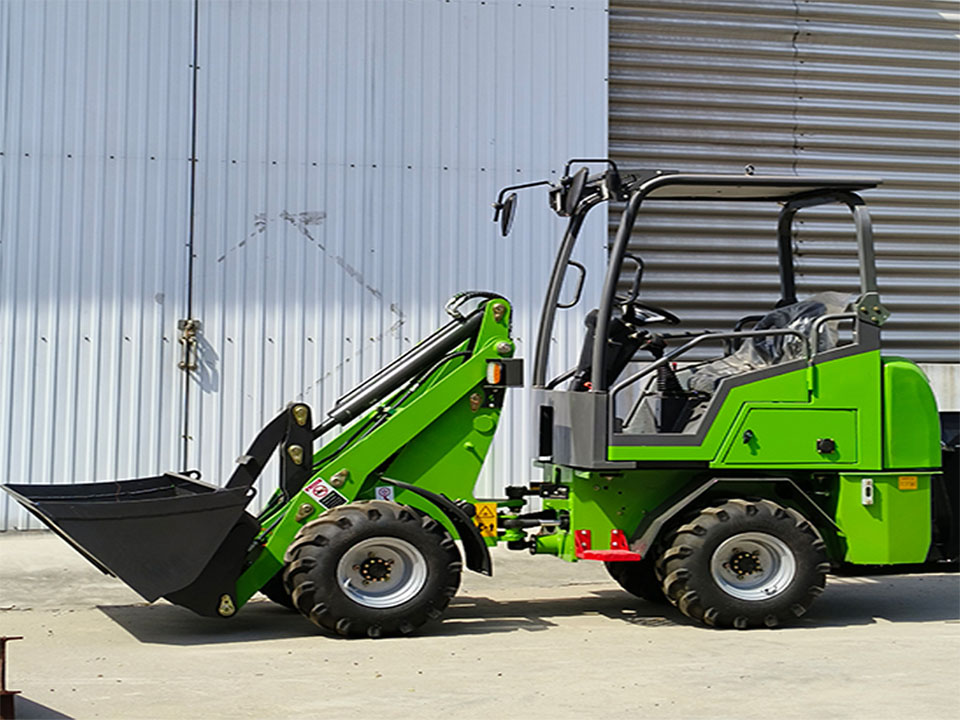
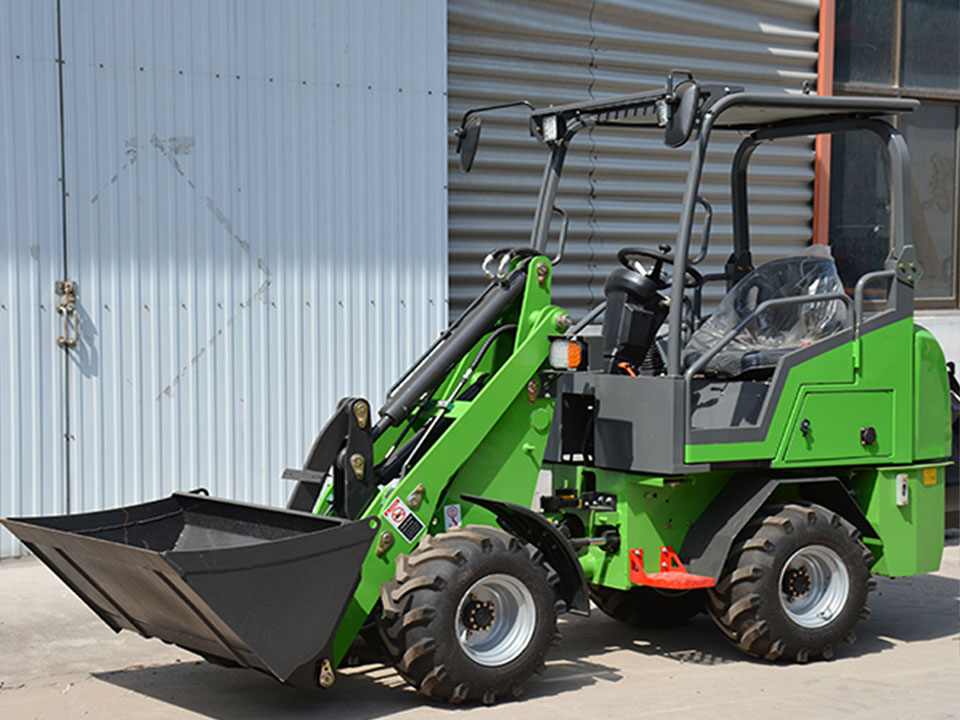
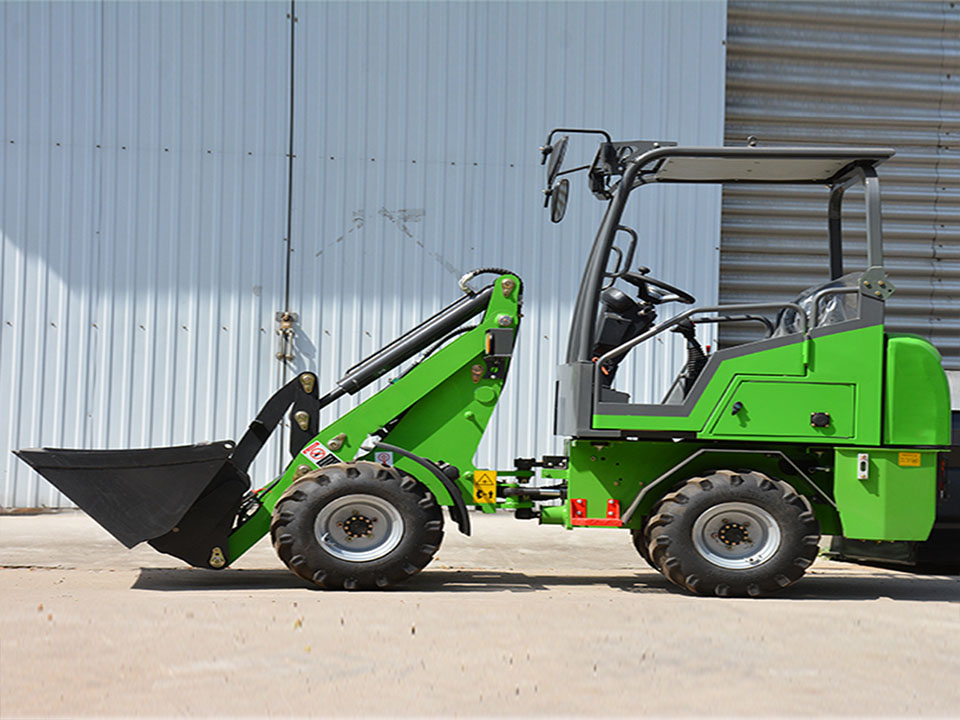
For compact and utility loaders, especially machines in the mini loader equipment category, I’d keep the form short enough that a yard hand will actually use it, but sharp enough that it catches money problems.
Inspection Zone
What to Check
Why It Matters
Red Flag That Stops Dispatch
Engine bay
Oil level, coolant, belts, air filter restriction, fuel/water separator
Service brake, parking brake, articulation response
One failure can become a claim
Drift, weak brake hold, steering lag
Cab / safety
Seat belt, backup alarm, horn, mirrors, lights, camera
Safety defects are easy to document and hard to excuse
Nonworking alarm, broken glass, failed lights
Records
Hours, fault codes, photos, operator notes
No record means no leverage
Missing signature, vague “OK,” no timestamp
Notice what’s missing?
Corporate poetry.
No “ensure operational excellence.” No “support asset readiness.” Just the stuff that breaks, leaks, cuts, bends, overheats, drifts, screams, smokes, and costs money.
The Three Things Rental Yards Skip Because They’re “Small”
Tire pressure first.
I know, dull. But a soft tire on an articulated loader isn’t just a tire issue; it changes bucket feel, steering load, drivetrain stress, traction, and operator confidence when the machine is carrying wet material with the arms up. The guy who says “it looked fine” usually didn’t put a gauge on it.
Then pins and bushings.
Grease matters. Grease is cheap. Pins are not. Bores are worse. Once the linkage starts clunking, you’re not doing maintenance anymore—you’re negotiating with wear that already won.
And hydraulic seepage?
That’s the one people love to minimize. “It’s just sweating.” Maybe. Or maybe the hose cover is rubbed through under the clamp, the cylinder rod has a nick, the quick coupler is contaminated, and the machine is two rental cycles away from dumping oil in a customer’s yard. I’ve heard every version of “keep an eye on it.” Usually right before a tow bill.
Standardize the Inspection, or Don’t Bother
However, standardizing checks does not mean making the form longer.
It means making the evidence repeatable.
Same photo angles. Same hour-meter shot. Same bucket-edge closeup. Same tire sidewalls. Same articulation joint. Same engine bay. Same dashboard. Same hydraulic couplers. Same return walkaround before the machine is washed.
Before washing.
That part matters. Mud tells stories. Concrete dust tells stories. Grass packed into screens tells stories. If you rinse everything first, congratulations—you just destroyed half your evidence because the driver was waiting and the yard was backed up.
That’s my bias, and I’ll stand by it. Most rental disputes are not caused by damage. They’re caused by weak proof. If you can’t show the bucket edge was straight at 7:42 a.m. before dispatch, don’t act shocked when the customer says it was already bent.
OSHA’s public accident search shows multiple 2024 incidents involving wheel loaders and front-end loaders, including workers struck by loader buckets, crushed by wheel loaders, or killed during loader-related work. Again, this isn’t a sermon. It’s the record. The OSHA wheel loader accident search and front-end loader accident search show why safety defects, visibility issues, brake checks, alarms, and operator controls can’t be hand-waved at the gate.
Condition Found at Return
Normal Wear?
Likely Cause
Recommended Action
Light bucket edge wear
Yes
Standard loading work
Record only
Bent cutting edge
No
Impact, prying, overload
Photograph and quote repair
Minor hose dusting
Watch
Normal vibration/contact
Schedule hose protection
Active hydraulic leak
No
Seal failure, abrasion, impact
Stop rental and diagnose
Packed radiator with chaff/debris
Sometimes
Poor site cleaning or mowing/dust work
Clean, inspect overheating history
Broken light or mirror
Usually no
Impact or careless transport
Bill if dispatch photos prove condition
Excessive tire sidewall cuts
No
Rock, demolition, scrap yards
Tire assessment and customer review
A return check should feel almost suspicious.
Not hostile. Not theatrical. Just skeptical. Walk the machine like you expect it to have been mistreated. Because sometimes it has.
The “Watch” Column Saves More Money Than the “Fail” Column
Most people obsess over pass/fail.
Wrong target.
The “Watch” category is where rental fleet maintenance gets interesting. A hose that’s rubbing but not leaking. A tire with a fresh nick but no cord showing. A lift cylinder with dust stuck to light seepage. A slightly lazy parking brake. A fan belt with glazing. A battery that cranks slowly after sitting overnight.
None of those always stop the rental.
But they should start a story.
A good wheel loader preventive maintenance program tracks that story across days, customers, branches, applications, operators, and seasons. If the same loader comes back three times with packed radiator screens after landscape jobs, maybe the customer needs a cleaning clause. If one branch keeps sending out machines with missing grease at the Z-bar linkage, maybe the issue isn’t the loader. Maybe it’s the morning routine.
Uncomfortable? Sure.
Useful? Very.
Preventive Maintenance Intervals Need an Abuse Override
Factory intervals are the floor.
Not the ceiling.
A loader feeding a crusher, loading manure, pushing salt, clearing snow, dragging wet clay, or working around cement dust does not age like a loader moving dry mulch on flat ground. Hour meters are dumb that way. They count time, not punishment.
And yes, I’d rather over-inspect a loader that just came back from a bad site than under-inspect it because the hour meter says it’s “not due.”
That’s how pumps die.
Digital Records Beat Memory. Every Time.
The old yard guy may remember everything.
Until he doesn’t.
Or until he’s off that day. Or leaves. Or the customer argues. Or the machine gets transferred to another branch. Or the service manager needs to prove that a cracked rim wasn’t there before dispatch.
Memory is not a maintenance system.
Use photos. Use timestamps. Use hour readings. Use operator names. Use condition grades. Use short videos for brake hold, articulation, bucket cycle, backup alarm, and dashboard warnings. Nothing cinematic. Just enough proof that the machine was alive and behaving before it left.
Five records matter most:
Who checked it.
When.
Where.
What changed.
Who accepted the risk.
That’s it. That’s the backbone of a heavy equipment maintenance checklist.
Operator Accountability Without Turning the Yard Into a Courtroom
Yet I don’t like inspection programs that treat operators like criminals.
That backfires.
Operators stop reporting things when every report feels like a confession. Mechanics stop trusting forms when every box is checked “OK.” Managers stop reading them when they become eight-page liability blankets stuffed with nonsense.
So ask field-level questions:
Does it start clean?
Does it smoke?
Does it creep in neutral?
Does the brake hold?
Does the bucket drift?
Any hydraulic howl?
Any burnt smell?
Any fresh oil under it?
Is the backup alarm working?
Can you see out of the cab?
These are not fancy questions. Good. Fancy questions don’t catch loose lugs.
FAQ
What is a wheel loader maintenance checklist?
A wheel loader maintenance checklist is a repeatable inspection record used to verify fluids, tires, hydraulics, brakes, steering, linkage, safety devices, visible damage, hour readings, and machine condition before use or rental dispatch. It helps rental fleets document defects, prevent downtime, assign responsibility, and reduce disputes after return.
The checklist should not be a lazy pass/fail sheet. It should include notes, photos, condition grades, and stop-dispatch rules. Otherwise, it’s just paperwork pretending to be maintenance.
How often should a wheel loader be inspected?
A wheel loader should be inspected before daily operation, before rental dispatch, after rental return, and after harsh applications such as demolition, snow removal, quarry loading, compost handling, salt exposure, or muddy site work. Rental fleets need both time-based service intervals and condition-based checks because site abuse can outrun the hour meter.
From my experience, the return inspection is the one people rush. That’s also the one that protects the invoice.
What should be included in a wheel loader daily inspection checklist?
Add a “Watch” column. Seriously. It’s where the early warnings live.
Why is preventive maintenance harder for rental fleets?
Preventive maintenance is harder for rental fleets because machines rotate through different operators, job sites, materials, weather, loading habits, transport methods, and cleaning routines. A privately owned loader usually has a known pattern; a rental loader gets whatever the customer gives it, including overloads, poor warmup, skipped greasing, and mystery damage.
That’s why the best rental fleet maintenance program is slightly paranoid. Not emotional. Just evidence-driven.
How can rental companies standardize wheel loader checks?
Rental companies can standardize wheel loader checks by using the same inspection zones, photo angles, condition grades, hour-meter records, brake tests, safety-device checks, return inspections, and stop-dispatch rules at every branch. The goal is to make the inspection repeatable enough that condition changes are obvious and disputes are easier to resolve.
Don’t overbuild the form. Overbuild the habit.
What is the biggest mistake in wheel loader service programs?
The biggest mistake in wheel loader service programs is treating inspections as a compliance chore instead of a damage-control system. A vague checklist won’t prove dispatch condition, won’t catch early wear, won’t support customer billing, and won’t protect the fleet when a machine returns with fresh damage or hidden mechanical problems.
Here’s the ugly truth: if the record is weak, the fleet usually eats the cost.
Build the Program Before the Fight
The argument always comes later.
The customer says it was already damaged. The operator says it ran fine. The driver says he just picked it up. The yard says it was busy. The machine sits there, silent, expensive, and very obviously broken.
So don’t wait for the fight.
Build the daily care program now. Standardize the wheel loader maintenance checklist. Photograph the same angles. Track the “Watch” items. Stop dispatching machines with safety defects. Treat return inspections like revenue protection, not housekeeping.
Contact our equipment manufacturer to discuss mini loaders, freight elevators, lift platforms, and lawn mowers for construction, logistics, agriculture, landscaping, mining, and municipal projects. Founded in 2019, we support global B2B buyers with RFQ review, WhatsApp or email communication, sales team guidance, customization, and export-ready machinery solutions.
Company
About
Solutions
Applications
Electric Freight Elevator
Contact
Products
Mini Loader
Freight Elevator
Lift Platform
Lawn Mower
Electric Mini Loader
Contact
+86 151 0096 5355
North of Xiaozhuangdong Village, Weijiazhuang Town, Longyao County, Xingtai City, Hebei Province, China