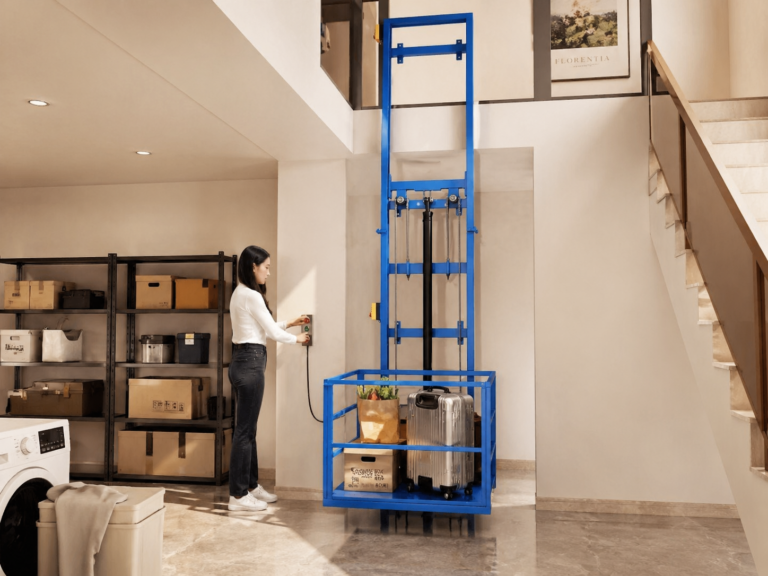
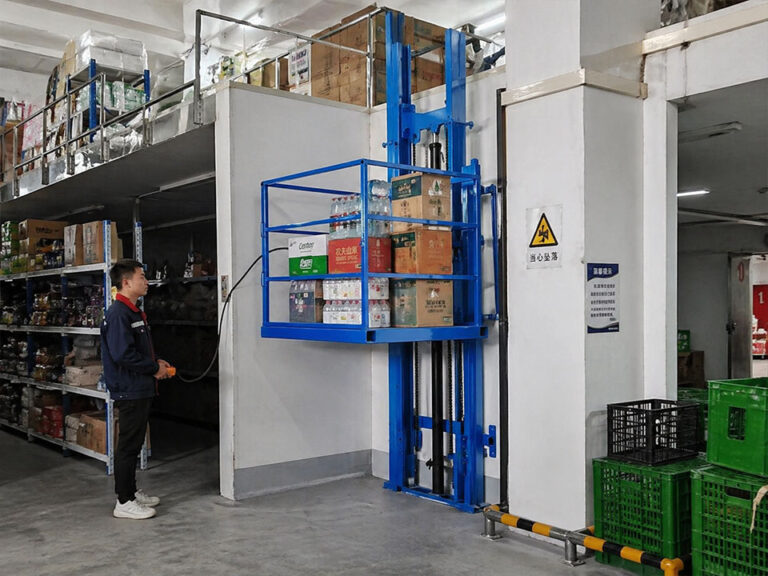
Reliable Mini Loader Manufacturer for OEM & Wholesale Equipment Buyers
A trusted industrial equipment manufacturer helps B2B buyers source reliable machinery for construction, material handling, agriculture, landscaping, mining, and environmental applications. Since 2019, we have manufactured mini loaders, freight elevators, lift platforms, and lawn mowers for customers across Western countries, Japan, South Korea, Central Asia, Russia, and other markets.
Longyao County Yuhong Machinery Manufacturing Co., Ltd.
Since 2019
North of Xiaozhuangdong Village, Weijiazhuang Town, Longyao County, Xingtai City, Hebei Province, China
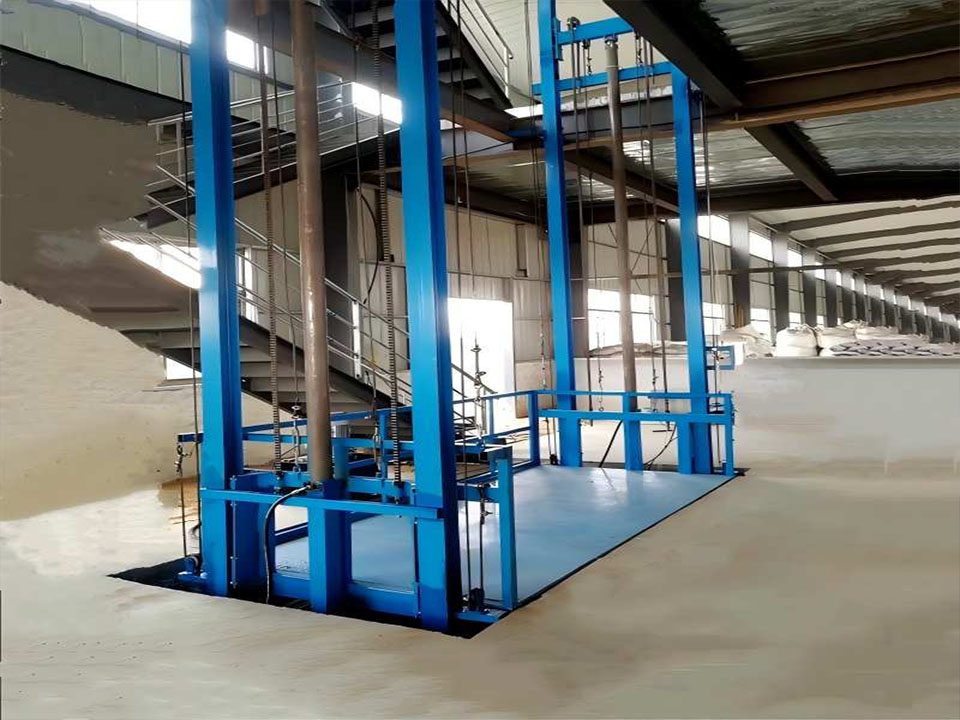
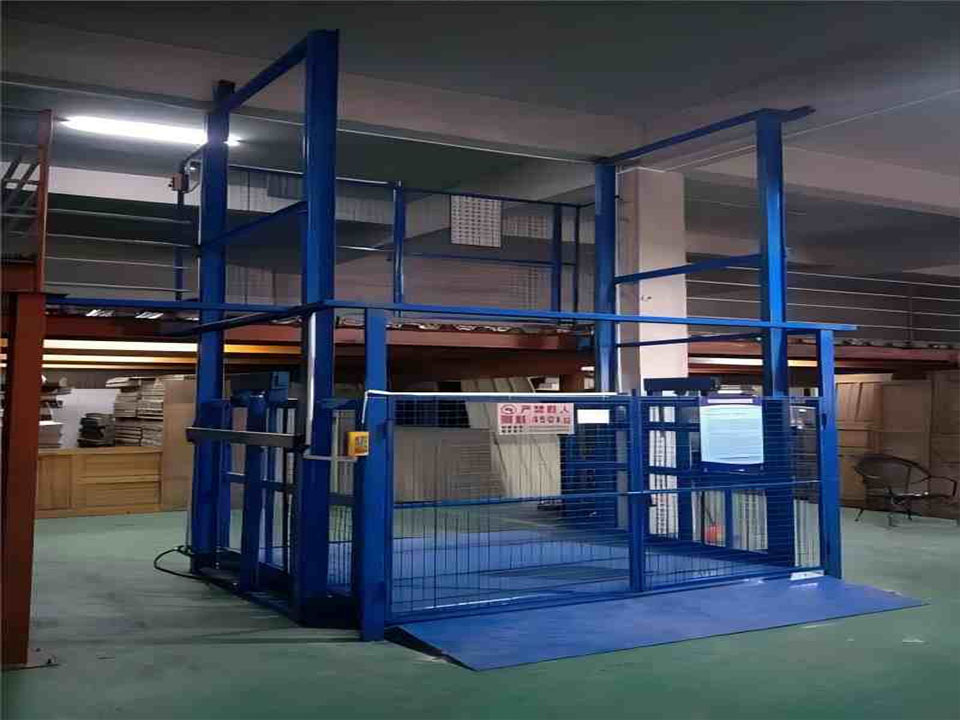
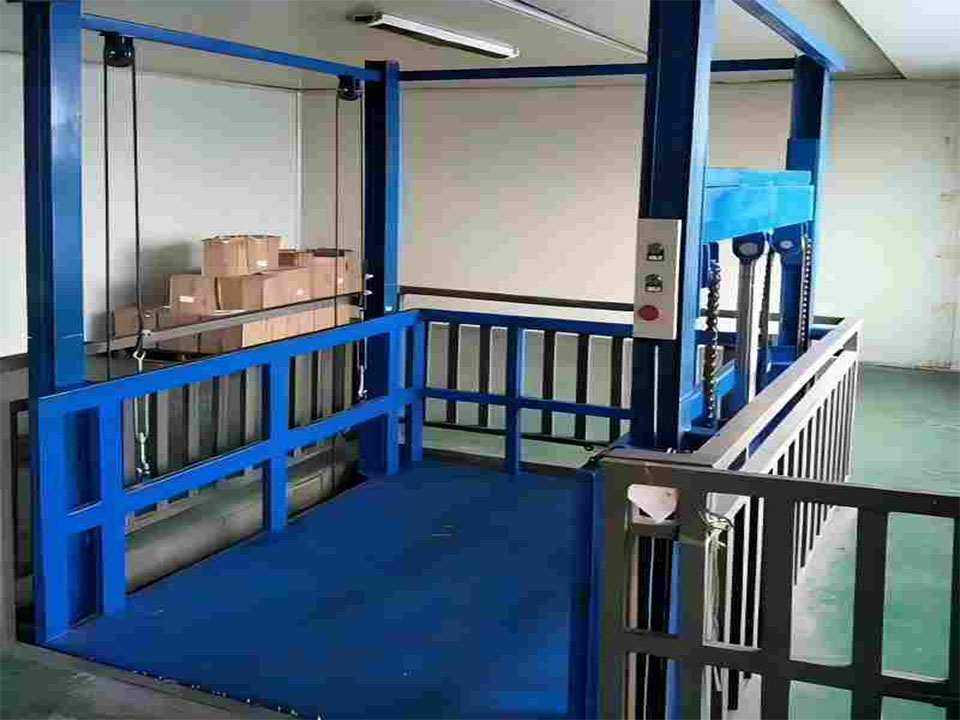
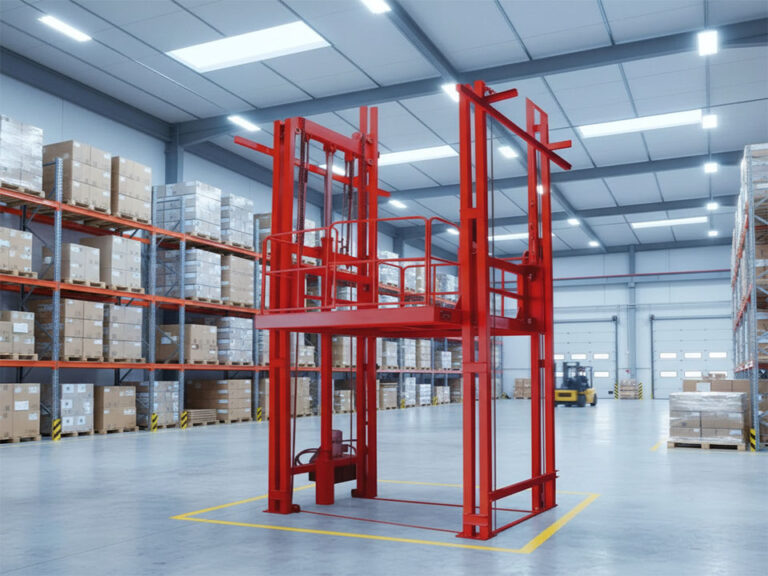
B2B Freight Elevator Service Window Planning: Protect Material Flow
Service windows are not just maintenance appointments; they are production-risk controls. This guide shows how B2B teams can plan freight elevator downtime without choking warehouse movement, factory output, or dealer delivery promises.
It hides inside a “small” freight elevator fault, waits until the receiving dock is packed, then turns one weak door interlock, one sticky limit switch, or one overheated hydraulic power unit into a full material-flow blockage that nobody priced into the job. Who pays for that silence?
I’ve seen buyers obsess over rated load, platform size, and motor power while treating Freight Elevator Maintenance like an afterthought. Bad habit. In B2B environments, the freight elevator is not just a lift. It is a vertical conveyor, a buffer killer, a shift schedule hostage, and sometimes the only path between receiving, storage, packing, and dispatch.
Here’s the ugly truth: most companies don’t have a freight elevator problem. They have a service window planning problem.
The U.S. Bureau of Labor Statistics reported 2.6 million nonfatal workplace injuries and illnesses in private industry in 2023, with 946,500 cases involving days away from work, which is a sharp reminder that “keep running it until it fails” is not a serious industrial policy. OSHA also flags warehousing exposure to heavy lifting, pushing, pulling, awkward posture, and repetitive handling as risk factors for musculoskeletal disorders, which matters because every freight elevator outage pushes more work back onto people, pallet jacks, forklifts, ramps, and ugly manual workarounds.
Table of Contents
Why Freight Elevator Service Windows Are a Material Flow Issue, Not a Maintenance Detail
A freight elevator service window is a planned downtime slot used to inspect, repair, lubricate, test, and document the lift system before failure interrupts production or logistics flow. In plain language: it is a controlled stoppage designed to prevent an uncontrolled stoppage.
That sounds boring.
But boring is where profit survives.
When a warehouse cargo lift stops at 10:20 a.m., nobody says, “Great, we saved money by skipping preventive work.” The dock supervisor starts moving pallets sideways. The forklift operator waits. Pickers re-route. Finished goods miss staging. The sales team starts asking why a “simple machine” is holding up an order.
And then the emergency call begins.
A proper freight elevator service window planning process should answer five hard questions before maintenance starts:
Who loses access during the window?
Which SKU groups, pallets, spare parts, or finished goods must move before shutdown?
What backup path exists if the lift cannot return on time?
Which parts must be on site before the technician arrives?
Who has authority to extend the window?
Most factories answer these questions after the breakdown. That’s amateur-hour planning.
The Maintenance Schedule Has to Follow Material Movement
A freight elevator maintenance schedule should not be copied from a generic checklist and taped to a control cabinet. That is lazy. It should match the way goods move through the building.
A supermarket lift used for cartons and daily restocking behaves differently from a factory freight elevator carrying dies, tooling, sacks, finished assemblies, or palletized inventory. A warehouse lift running 80 cycles per shift has a different wear profile from a goods lift used three times a day for mezzanine storage.
ASME A17.1 / CSA B44 is widely used in North America as a safety code covering elevator design, construction, installation, operation, inspection, testing, maintenance, alteration, and repair, so serious B2B buyers should treat maintenance records as part of equipment governance, not office paperwork. A 2024 U.S. Department of Veterans Affairs elevator maintenance scope also references the Maintenance Control Program required by ASME A17.1 Section 8.6, including inspection systems and checklists for scheduled or unscheduled inspections.
I frankly believe this is where many low-cost suppliers and buyers both get sloppy. They talk about steel thickness. Fine. They talk about hydraulic cylinders. Good. But they don’t map service timing against inbound containers, production changeovers, stocktake days, seasonal peaks, or dock congestion.
That’s not maintenance. That’s gambling with a wrench nearby.
The 4-Layer Service Window Model I Trust
For B2B freight elevator planning, I like a four-layer model. It is simple enough for a warehouse manager to use and strict enough for a maintenance team to defend.
Load test review, cycle count review, spare parts audit, service log analysis
Before seasonal or contract-volume peaks
Long downtime due to missing parts or poor diagnosis
Notice the pattern: service timing follows material pressure.
A 2-hour maintenance window at the wrong time can hurt more than a 6-hour window planned during a real lull. I’ve watched teams proudly “minimize downtime” by forcing technicians into a lunch break slot, only to restart the lift without enough testing. Looks efficient. Isn’t.
Spare Parts Decide Whether a Window Is Real or Fake
Here is the hard truth: a service window without spare parts is just a technician visit.
For freight elevator maintenance, the minimum B2B spare parts list usually includes door interlock components, limit switches, contactors, relays, hydraulic seals, hose assemblies, chain or cable wear parts, guide shoe components, emergency stop buttons, fuses, indicator lamps, and the correct hydraulic oil grade, often ISO VG 32 or ISO VG 46 depending on equipment design and climate.
No guessing.
A cargo lift maintenance plan should tag every part by machine model, rated load, platform size, controller type, voltage, cylinder type, and installation site. “Freight elevator switch” is not a spare parts description. It’s a future delay wearing a label.
And don’t let purchasing chase the cheapest seal kit from a random catalog without checking compatibility. A $12 mistake can hold up a $40,000 shipment.
Protecting Material Flow During the Service Window
The best service window starts before the technician arrives. We usually tell teams to clear three things first: urgent outbound goods, raw material needed for the next production block, and anything trapped on a mezzanine or upper storage floor.
Then lock the movement plan.
For mixed industrial sites, material flow protection should include:
Temporary staging zones near the lift entrance
A pre-window “move-down” list for fast-moving SKUs
Forklift path separation from pedestrian work areas
Signage at both landings
A supervisor with authority to pause loading
A rollback plan if maintenance overruns
This is also where equipment portfolio thinking matters. A site that operates vertical handling equipment often also runs outdoor machines, yard equipment, and rough-terrain tools. Planning teams should treat those assets as one reliability system, not separate islands. For example, if a facility handles outdoor stock movement or seasonal yard clearing, a machine like a remote control tracked lawn mower with snow blade may not seem related to freight elevator planning at first glance, but both assets affect how material routes stay open when weather, site conditions, or downtime pressure hits.
The same logic applies to rough-ground work. A dealer network that sells or supports a 4WD remote control lawn mower for rough terrain use already understands that terrain, duty cycle, operator distance, and service access change equipment planning. Freight elevators are no different. The environment writes the maintenance schedule.
B2B Buyers Should Demand the Service Plan Before the Price Fight
Price matters. Of course it does.
But if a supplier cannot explain the freight elevator maintenance schedule, spare parts logic, emergency response process, and service window planning method, the “cheap” quote is not cheap. It is unfinished.
For a B2B buyer, I would ask suppliers these questions before purchase:
Can you provide a 12-month maintenance schedule?
Which wear parts should be stocked on site?
What is the expected downtime for monthly inspection?
Which checks can operators perform daily?
What faults require immediate shutdown?
Do you provide service logs suitable for audit review?
Can service windows be planned around production or dispatch peaks?
If the answer sounds vague, walk away or price the risk into the deal.
The VRC Confusion: Freight Elevator, Cargo Lift, or Conveyor?
This part gets messy.
Some buyers casually call every vertical goods platform a freight elevator. But depending on the design, country, code, and use case, the equipment may be treated differently from a Vertical Reciprocating Conveyor, material lift, goods lift, or elevator. OSHA has stated that riding vertical reciprocating conveyors by employees is considered a violation of 29 CFR 1910.212(a)(1), unless a specific installation also meets ANSI A17.1 criteria.
That distinction matters because service windows, inspection records, signage, guarding, user training, and legal responsibility may change.
So don’t buy labels. Buy clarity.
A factory freight elevator carrying only goods still needs disciplined access control. A cargo lift moving cartons between floors still needs door discipline. A material lift used near a packing line still needs lockout logic during maintenance. And if operators start riding something they shouldn’t ride, your service plan has already failed.
A Practical Weekly Planning Rhythm
I like weekly planning because it catches trouble before it becomes theatrical.
Monday morning: review cycle count, fault notes, and complaints from operators.
Tuesday: confirm inbound and outbound peaks.
Wednesday: approve parts needed for the next service window.
Thursday: stage non-urgent goods away from the lift path.
Friday or low-volume shift: execute the window, test, document, release.
Many maintenance dashboards are stuffed with pretty numbers nobody acts on. I prefer fewer metrics.
Track these:
Planned maintenance completion rate
Emergency call count per quarter
Average elevator downtime per event
Repeat fault rate within 30 days
Parts unavailable during service
Missed shipment or production delay linked to elevator downtime
Operator-reported abnormal noise or leveling complaints
If those numbers are rising, your service window is cosmetic.
If emergency calls drop while planned maintenance hours rise slightly, good. That is not “more downtime.” That is controlled downtime replacing chaotic downtime.
When to Schedule Service Windows
The best time is not always night shift.
Night work can reduce production disruption, but it can also reduce supervision quality, lighting, parts access, and decision speed. A better question is: when does the lift have the lowest material-flow leverage?
For many B2B sites, that may be after dispatch cutoff, between receiving waves, during planned inventory count, before a seasonal ramp-up, or right after a production batch closes. For dealers, it may be before customer demo season or before parts shipments spike.
For industrial buyers, I recommend building a service calendar around:
Monthly preventive checks
Quarterly inspection and parts review
Pre-peak reliability inspection
Post-peak damage review
Annual load and safety documentation review, based on local rules and equipment type
And yes, include backup equipment planning. A facility supporting outdoor or heavy-duty site maintenance may also need related machines such as a heavy-duty remote control tracked flail mower for slopes to keep access routes and yard edges usable. Material flow doesn’t stop at the elevator door.
Common Mistakes That Break Material Flow
The first mistake is treating maintenance as a cost center only. I hate that view. Maintenance protects throughput, safety, and customer promises.
The second mistake is planning service around technician availability instead of material flow.
The third mistake is missing spare parts.
The fourth mistake is poor communication. Operators arrive with pallets and discover the lift is locked out. That creates pressure. Pressure creates shortcuts. Shortcuts create incidents.
The fifth mistake is no post-window verification. A technician leaves, the platform runs twice, everyone relaxes. Then under real load, the fault returns.
Test under realistic conditions. Empty platform testing is not enough.
FAQ
What is freight elevator service window planning?
Freight elevator service window planning is the process of scheduling inspection, repair, testing, and documentation during a controlled downtime period so factories, warehouses, supermarkets, and dealer networks can protect material flow instead of reacting to sudden lift failures during active production or dispatch hours.
A good plan defines the shutdown time, affected goods, backup routing, responsible supervisor, required spare parts, safety controls, and restart checklist. It should be written before maintenance begins, not invented during the technician visit.
How does Freight Elevator Maintenance protect material flow?
Freight Elevator Maintenance protects material flow by reducing surprise stoppages, verifying safety devices, replacing wear parts before failure, and giving warehouse or factory teams predictable downtime windows that can be planned around receiving, production, picking, packing, and outbound shipment schedules.
The real value is not only machine life. It is schedule control. When the lift is reliable, pallets move vertically without forcing manual handling, forklift congestion, dock delays, or ugly last-minute workarounds.
What should a freight elevator maintenance schedule include?
A freight elevator maintenance schedule should include daily operator checks, weekly reliability inspections, monthly preventive service, quarterly spare parts review, annual documentation review, and any mandatory inspection or testing required by local codes, equipment type, rated load, and site operating conditions.
The schedule should cover door/gate interlocks, limit switches, platform leveling, guide rails, hydraulic oil, cylinders, hoses, chains or cables, control panels, warning labels, emergency stop devices, and service records. The checklist must match actual duty cycle.
How often should B2B teams plan freight elevator service windows?
B2B teams should plan freight elevator service windows at least monthly for active industrial or warehouse lifts, with additional checks before seasonal peaks, production changes, inventory audits, customer demo periods, or any period when material flow disruption would create expensive downstream delays.
Low-use lifts may not need the same downtime frequency as high-cycle cargo elevators, but they still need inspection discipline. Idle equipment can hide corrosion, seal aging, electrical faults, and door problems until the first heavy load exposes them.
What is the biggest mistake in cargo lift maintenance planning?
The biggest mistake in cargo lift maintenance planning is scheduling technician time without preparing spare parts, material-routing alternatives, operator communication, safety lockout controls, and restart testing, because that turns a planned service window into another uncertain interruption.
A maintenance visit should not begin with someone asking, “Do we have the part?” That question belongs in the planning stage. The best service window is boring, documented, and finished before the floor starts depending on the lift again.
CTA
If your B2B operation depends on vertical material movement, don’t treat the freight elevator as a background machine. Build the service window first, align it with material flow, stock the parts that actually fail, and make every maintenance visit prove one thing: the next shift can move goods without drama.
Contact our equipment manufacturer to discuss mini loaders, freight elevators, lift platforms, and lawn mowers for construction, logistics, agriculture, landscaping, mining, and municipal projects. Founded in 2019, we support global B2B buyers with RFQ review, WhatsApp or email communication, sales team guidance, customization, and export-ready machinery solutions.
Company
About
Solutions
Applications
Electric Freight Elevator
Contact
Products
Mini Loader
Freight Elevator
Lift Platform
Lawn Mower
Electric Mini Loader
Contact
+86 151 0096 5355
North of Xiaozhuangdong Village, Weijiazhuang Town, Longyao County, Xingtai City, Hebei Province, China