Reliable Mini Loader Manufacturer for OEM & Wholesale Equipment Buyers
A trusted industrial equipment manufacturer helps B2B buyers source reliable machinery for construction, material handling, agriculture, landscaping, mining, and environmental applications. Since 2019, we have manufactured mini loaders, freight elevators, lift platforms, and lawn mowers for customers across Western countries, Japan, South Korea, Central Asia, Russia, and other markets.
Longyao County Yuhong Machinery Manufacturing Co., Ltd.
Since 2019
North of Xiaozhuangdong Village, Weijiazhuang Town, Longyao County, Xingtai City, Hebei Province, China
B2B Freight Elevator Downtime Reduction Plan: Reduce Downtime
Freight elevator failure usually starts small: heat, noise, drift, oil seepage, or a door switch that operators quietly bully every morning. This factory-focused guide shows how B2B teams can turn preventive maintenance into a repeatable uptime system instead of a panic call.
Meta Description: Freight Elevator Preventive Maintenance guide for factories: checklist, service intervals, parts planning, safety risks, and B2B uptime control.
Excerpt: Freight elevator failure usually starts small: heat, noise, drift, oil seepage, or a door switch that operators quietly bully every morning. This factory-focused guide shows how B2B teams can turn preventive maintenance into a repeatable uptime system instead of a panic call.
Tags: freight elevator preventive maintenance, freight elevator maintenance checklist, industrial freight elevator maintenance, cargo lift preventive maintenance, factory freight elevator service, goods lift maintenance schedule
Table of Contents
Freight Elevator Preventive Maintenance: B2B Guide for Factories
The lift jammed again.
Not fully broken, of course — factory equipment loves that annoying middle zone where it still “works,” but only if the operator presses the button twice, waits for the relay click, nudges the landing door, and pretends the groaning sound under the platform is normal.
Is that maintenance, or just gambling with a pallet inside the shaft?
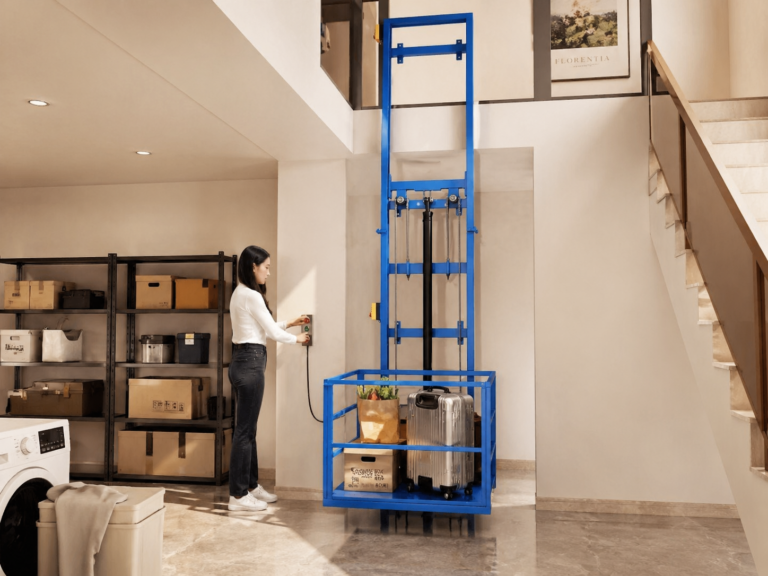
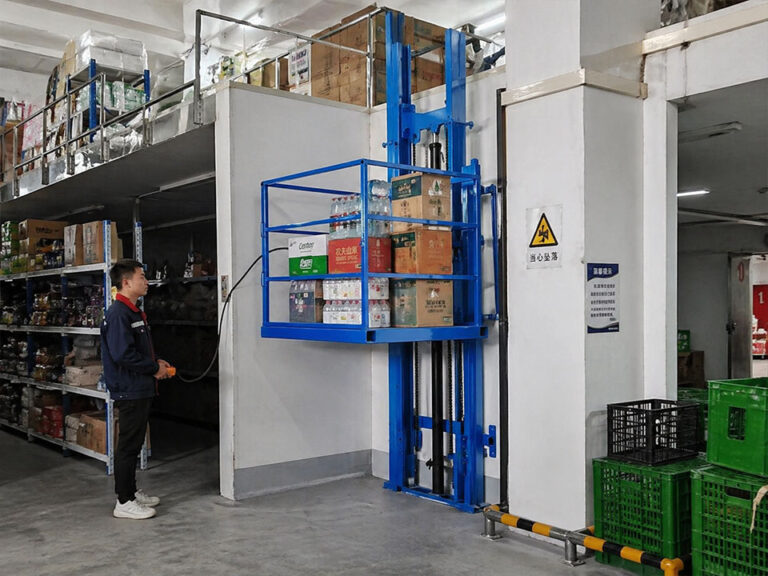
I’ve seen this pattern too often in factories: buyers fight hard over the freight elevator purchase price, then treat preventive maintenance like optional decoration. Bad idea. A freight elevator is not furniture. It is a vertical logistics machine carrying cartons, molds, crates, metal parts, sacks, tooling, finished goods, sometimes 500 kg, sometimes 2 tons, sometimes more — and every cycle leaves a mark somewhere.
Here’s the ugly truth: freight elevator preventive maintenance is not about making the machine look clean. It’s about keeping production from being held hostage by a cheap limit switch, a dry guide shoe, a leaking hydraulic seal, or a door interlock that should’ve been replaced two months ago.
OSHA’s FY2024 common safety data still shows familiar industrial problems in the top citation list, including hazardous energy control and machine guarding — boring categories, yes, but boring is where factories usually bleed money.
Freight Elevator Preventive Maintenance Is Not “Call the Technician When It Dies”
Freight Elevator Preventive Maintenance means scheduled inspection, testing, lubrication, adjustment, cleaning, repair planning, and written documentation before a factory cargo lift becomes unsafe, unstable, slow, noisy, or unavailable.
That definition sounds tidy. Real factories aren’t.
In a plant, the lift gets hit by pallet jacks, loaded off-center by rushed workers, splashed by washdown water, coated with dust, and abused by operators who only care that the goods reach the second floor before the truck leaves. So if the maintenance checklist is copied from a generic elevator form, I already don’t trust it.
A proper freight elevator maintenance checklist must speak factory language: platform drift, landing gap, hydraulic oil color, chain slack, rail scrape, door lock abuse, overload alarm, cabinet heat, button bounce, and that burned-electrical smell nobody wants to report.
Cheap Maintenance Is Usually Expensive Maintenance Wearing a Mask
I’ll be blunt. Many B2B factories do not under-maintain because they lack information. They under-maintain because downtime hasn’t embarrassed them badly enough yet.
Then one morning the lift stops with material trapped between floors.
Now purchasing is calling the supplier. Production is shouting. Warehouse workers are dragging goods by hand. The loading team misses a dispatch slot. Somebody suggests “temporary manual lifting,” which is usually where bad safety decisions begin.
Singapore’s 2024 Workplace Safety and Health Report recorded 123 major injuries in the manufacturing sector, down from 2023, but still enough to remind factory managers that machinery-heavy workplaces don’t forgive sloppy systems.
And no, that does not mean every injury came from freight elevators. But it does mean the factory environment is already loaded with mechanical risk — moving platforms, pinch points, stored energy, forklifts, pallet trucks, wet floors, overloaded equipment, tired people.
That’s the cocktail.
The Maintenance Schedule I’d Actually Use in a Factory
A goods lift maintenance schedule should be boring enough that nobody needs to “interpret” it. Daily means daily. Monthly means monthly. If production is busy, service still happens — preferably before the busy day, not after the breakdown.
Maintenance Interval
What to Check
Practical Factory Standard
Risk If Ignored
Daily pre-use check
Door lock, platform level, abnormal noise, warning signs, emergency stop
Full safety device test, load test planning, alignment, electrical tightening
Service report signed by factory and supplier
Audit failure, liability exposure
Annual review
PM records, spare parts use, breakdown history, operator training
Adjust schedule based on actual duty cycle
Repeated faults, hidden cost creep
Here’s where factories mess it up: they put all responsibility on the outside service technician. That’s lazy.
The operator hears the first scrape. The warehouse supervisor sees when pallets are loaded crooked. The maintenance guy notices oil dust collecting around a hose fitting. The safety officer knows whether emergency stop buttons are tested or just admired.
Preventive maintenance works only when all of them feed the same record.
What Belongs in a Freight Elevator Maintenance Checklist?
Start with the ugly spots.
Not the shiny control panel. Not the painted platform edge. I mean the parts that take punishment every day: guide rails, chains, wire ropes, rollers, cylinder seals, hose joints, door locks, floor landing gaps, anchor bolts, limit switches, and electrical terminals inside the cabinet.
For hydraulic freight elevators, I always want the technician checking oil level, oil color, pump noise, platform drift, valve block seepage, hose cracking, cylinder sweat, emergency lowering function, and pressure behavior under load.
Electrical checks need the same attention. Loose terminals, tired contactors, relay chatter, overheated cabinet parts, sticky push buttons, weak warning lights, failed buzzers — small stuff, until it isn’t.
And paperwork? Don’t laugh. Paperwork is where fake maintenance gets caught.
A proper service record should show date, fault symptom, part replaced, technician name, oil type, test result, load condition, photos when needed, and next service date. If a supplier only writes “checked OK,” I’d push back. Hard.
Lockout/Tagout: The Rule People Ignore Until Something Moves
But service is not service if someone can still energize the lift.
OSHA’s 1910.147 lockout/tagout standard covers servicing and maintenance where unexpected startup, energization, or stored energy release could injure workers.
For freight elevators, stored energy is not just electricity. It’s gravity. Hydraulic pressure. A loaded platform. Chain tension. A pallet that shifts at the wrong second.
So my rule is simple: no lockout, no hands inside.
Three words. Serious ones.
If a technician is adjusting a limit switch, inspecting a cylinder, tightening cabinet terminals, cleaning guide rails, or checking a door interlock, the machine must be isolated properly. I don’t care if production is rushing. Production always rushes. That’s not an excuse.
Spare Parts: Don’t Stock Everything, But Don’t Stock Nothing
A factory does not need a warehouse full of dead spare parts. Still, having zero basic parts is asking for emergency freight, overnight calls, and angry managers.
Spare Part
Suggested Stock Level
Why It Matters
Door interlock switch
2–4 pcs
Small part, high downtime impact
Limit switch
2–4 pcs
Prevents overtravel and stopping errors
Push button set
1–2 sets
Operators damage buttons faster than buyers expect
Hydraulic seal kit
1 set
Oil leakage can stop safe operation
Hydraulic hose
1–2 pcs by model
Aging hoses fail under pressure
Contactor/relay
1–2 pcs
Electrical wear creates random stoppages
Warning light/buzzer
1 set
Cheap, but important for site safety
Guide shoe/roller
1 set
Wear causes vibration and rail noise
The trick is not buying more parts. The trick is buying the right fast-failure parts for your exact model.
Sounds unrelated? It’s not. Bad access around a factory usually becomes bad handling inside the factory.
How to Maintain a Freight Elevator for Factories
To maintain a freight elevator for factories, build a written preventive system around daily operator checks, weekly visual inspection, monthly technician service, quarterly safety review, annual record audit, spare parts control, and strict lockout during service.
That’s the clean answer.
The real answer is messier: stop letting operators overload it “just this once,” stop allowing pallet jacks to smash the landing edge, stop delaying door lock replacement, and stop believing a noisy lift will somehow become quiet by Monday.
A practical workflow looks like this:
Give each lift model its own checklist.
Separate light, medium, and heavy duty cycles.
Record symptoms, not vague complaints.
Track repeat faults by part and location.
Plan service before peak shipping days.
Train operators like the lift is expensive — because it is.
Review failures every quarter, not once a year when everyone has forgotten the details.
Preventive Maintenance Frequency by Factory Type
Factory Type
Typical Load Pattern
Recommended PM Rhythm
Watch Closely
Food processing
Frequent crates, wet floors, washdown nearby
Monthly service plus weekly corrosion check
Rust, electrical moisture, door seals
Machinery plant
Heavy molds, metal parts, uneven loads
Monthly service plus quarterly structure check
Platform deformation, bolts, guide rails
E-commerce warehouse
High cycle count, lighter cartons
Monthly electrical and door inspection
Buttons, interlocks, stopping accuracy
Textile factory
Bulky but moderate loads
Monthly service
Door damage, platform edge wear
Cold storage
Temperature stress, condensation
Monthly service plus electrical cabinet inspection
Moisture, brittle seals, sensor faults
Building material factory
Dust, impact, heavy pallets
Monthly service plus weekly cleaning
Rail dirt, chain wear, overload abuse
Dust is nasty.
People worry about heavy loads, and they should, but in my experience dust, moisture, cement powder, salt air, fertilizer residue, and metal filings destroy lift reliability quietly. The lift does not fail dramatically on day one. It just gets slower, dirtier, hotter, and less accurate.
Then the call comes.
Service Contracts: Read the Small Print Like a Cynic
A cheap service contract often means somebody walks around the lift, opens the cabinet, nods, wipes nothing, tests little, and leaves.
That’s not industrial freight elevator maintenance. That’s theater with a clipboard.
Before signing, ask these questions:
Is emergency response time written clearly?
Are consumables included or billed separately?
Does the contract include hydraulic oil checks?
Are door interlocks tested every visit?
Are safety devices tested under actual site conditions?
Are photos required for damaged or replaced parts?
Is after-hours support available?
Does the report list faults by symptom?
Are operator misuse notes included?
Is the spare parts price list attached?
If the answer is vague, the service will probably be vague too.
The Real KPI Is Fewer Emergency Calls
A freight elevator preventive maintenance program should be judged by emergency call reduction, repeat fault reduction, safer loading, cleaner audit records, and less production interruption.
Not by how nice the form looks.
KPI
Good Target
Warning Signal
Emergency breakdowns
0–1 per quarter
Same fault repeats twice
Door fault rate
Falling month by month
Operators bypass or force doors
Hydraulic oil loss
Stable level
Refill needed without clear reason
Platform leveling error
Within site tolerance
Pallet jack bumps landing edge
Service completion rate
100% on schedule
PM delayed for production pressure
Here’s my bias: if a factory delays scheduled maintenance because production is “too busy,” that factory is not busy. It’s fragile.
FAQ
What is Freight Elevator Preventive Maintenance?
Freight Elevator Preventive Maintenance is a scheduled factory service process that inspects, tests, lubricates, adjusts, repairs, and documents a cargo lift before failure occurs, covering hydraulic parts, electrical controls, safety devices, doors, guide rails, platform structure, and operator-use problems.
In plain words, it keeps the lift from becoming the reason production stops. A good PM system catches oil leaks, switch faults, door abuse, rail wear, platform drift, and electrical heat early, when fixes are cheaper and less chaotic.
How often should a factory freight elevator be maintained?
A factory freight elevator should normally receive daily operator checks, weekly visual inspection, monthly technician service, quarterly deeper mechanical or hydraulic review, and an annual maintenance record audit, with heavier-use factories shortening the interval based on load, cycles, dust, moisture, and shift pattern.
A light-duty storage lift and a two-shift production cargo lift should not share the same schedule. Cycle count matters. Load abuse matters. So does the environment.
What should be included in a freight elevator maintenance checklist?
A freight elevator maintenance checklist should include door interlocks, limit switches, emergency stop, overload device, guide rails, hydraulic oil, cylinders, hoses, platform leveling, chains or wire ropes, control cabinet condition, warning lights, abnormal noise, vibration, leakage, and written service records.
The checklist should match the lift type. A hydraulic goods lift needs different attention from a traction or chain-driven cargo elevator. Copy-paste forms create blind spots.
Why does a freight elevator break down frequently?
A freight elevator often breaks down frequently because of overload habits, off-center loading, damaged door locks, weak hydraulic seals, dirty guide rails, loose electrical terminals, skipped service windows, moisture, dust, and operators forcing the equipment during busy factory periods.
Repeated failure is rarely “bad luck.” If the same relay, hose, switch, seal, or guide part keeps failing, the factory should investigate alignment, environment, operator behavior, and service quality.
Is hydraulic cargo lift preventive maintenance different from passenger elevator maintenance?
Hydraulic cargo lift preventive maintenance is different because freight elevators face heavier impact, rougher loading, pallet jack contact, off-center cargo, industrial dust, oil contamination, platform damage, and more door abuse than typical passenger elevators in cleaner buildings.
Passenger elevators are built around people movement. Freight elevators are built around goods movement. That changes the risk profile completely.
How can factories reduce freight elevator emergency service calls?
Factories can reduce freight elevator emergency service calls by using a written maintenance schedule, training operators, stocking key spare parts, recording repeat faults, testing safety devices, enforcing lockout during service, and planning service windows before peak production or shipping periods.
The fastest wins are simple: stop overloading, stop forcing doors, and stop postponing small repairs. Those three habits prevent a surprising amount of downtime.
CTA
If your factory depends on a freight elevator for pallets, cartons, raw materials, finished goods, warehouse transfers, or multi-floor production, don’t wait for the next breakdown to “start taking maintenance seriously.” Build the checklist, assign responsibility, stock the small failure parts, and put service windows on the production calendar before the lift teaches the lesson the expensive way.
Contact our equipment manufacturer to discuss mini loaders, freight elevators, lift platforms, and lawn mowers for construction, logistics, agriculture, landscaping, mining, and municipal projects. Founded in 2019, we support global B2B buyers with RFQ review, WhatsApp or email communication, sales team guidance, customization, and export-ready machinery solutions.
Company
About
Solutions
Applications
Electric Freight Elevator
Contact
Products
Mini Loader
Freight Elevator
Lift Platform
Lawn Mower
Electric Mini Loader
Contact
+86 151 0096 5355
North of Xiaozhuangdong Village, Weijiazhuang Town, Longyao County, Xingtai City, Hebei Province, China