Reliable Mini Loader Manufacturer for OEM & Wholesale Equipment Buyers
A trusted industrial equipment manufacturer helps B2B buyers source reliable machinery for construction, material handling, agriculture, landscaping, mining, and environmental applications. Since 2019, we have manufactured mini loaders, freight elevators, lift platforms, and lawn mowers for customers across Western countries, Japan, South Korea, Central Asia, Russia, and other markets.
Longyao County Yuhong Machinery Manufacturing Co., Ltd.
Since 2019
North of Xiaozhuangdong Village, Weijiazhuang Town, Longyao County, Xingtai City, Hebei Province, China
Loader Maintenance SOP for Jobsites: Prevent Failures for B2B Buyers
A practical loader maintenance SOP helps B2B buyers reduce jobsite downtime before small defects turn into expensive failures. This guide shows what to inspect daily, weekly, and monthly—without turning maintenance into fake paperwork.
And here’s the ugly truth: most jobsite loader failures don’t start with a dramatic engine bang or a broken axle in the middle of a concrete pour; they usually begin with a lazy grease routine, a half-read dashboard warning, a hydraulic hose rubbing against steel, or an operator who says, “It still works,” until it doesn’t. Why do buyers keep treating maintenance like an after-sales problem?
I’ve watched B2B equipment buyers obsess over engine horsepower, bucket size, lifting capacity, tire width, delivery time, and factory price—then ignore the one document that decides whether the machine earns money after month three: the loader maintenance checklist.
For construction sites, rental yards, masonry crews, municipal contractors, and small material-handling teams, a loader maintenance SOP is not paperwork. It’s a failure-control system. Bad SOPs produce dirty hydraulic oil, cooked seals, uneven tire wear, loose pins, weak brakes, battery faults, and operators who blame the machine when the real problem was the routine.
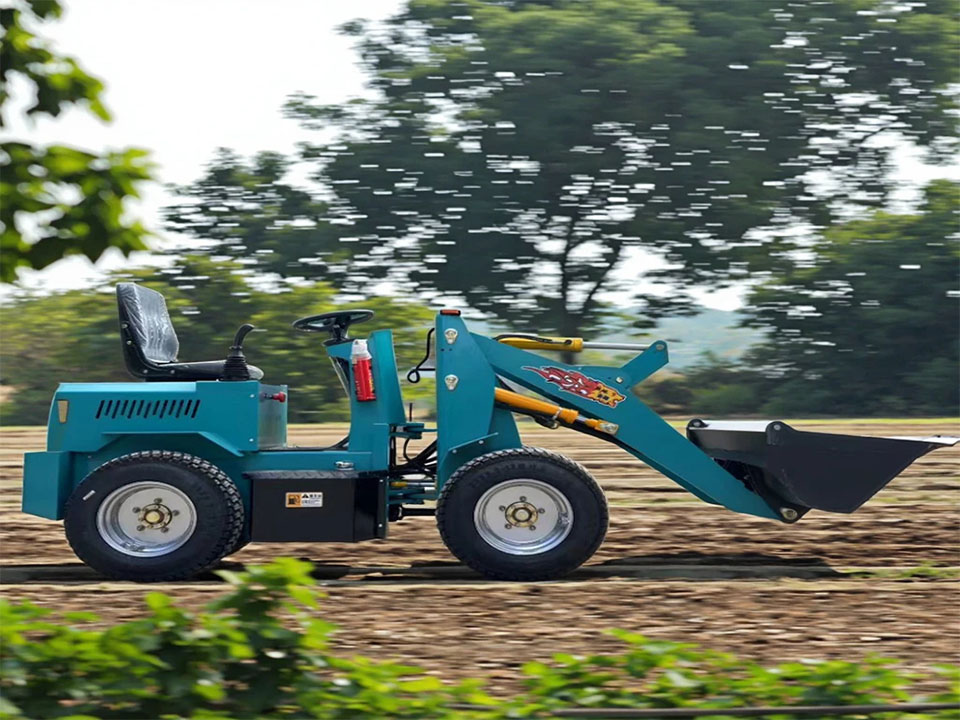
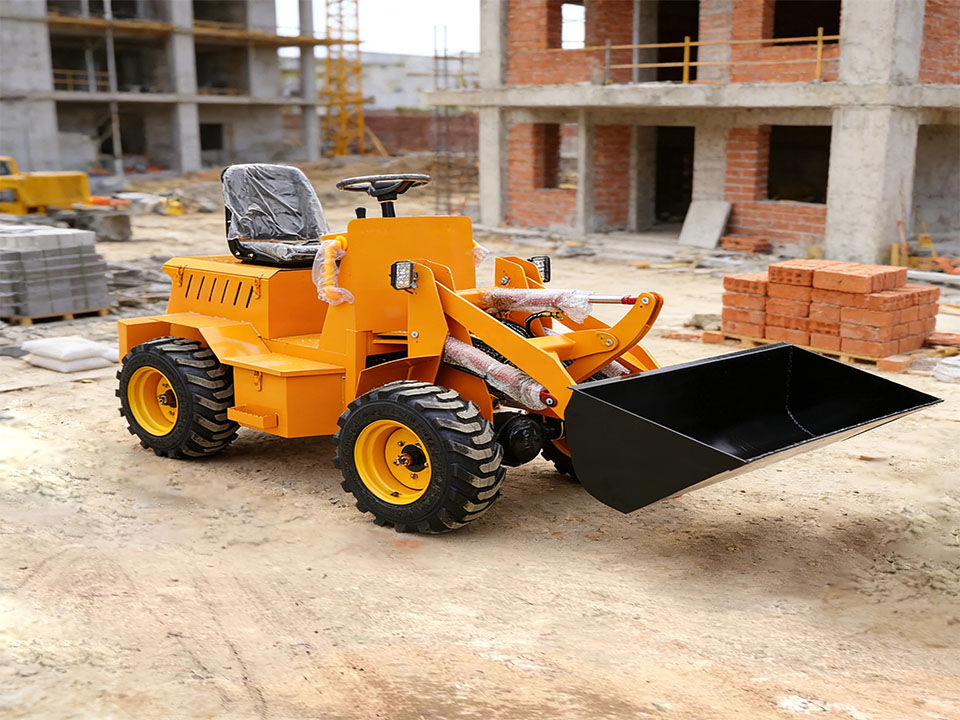
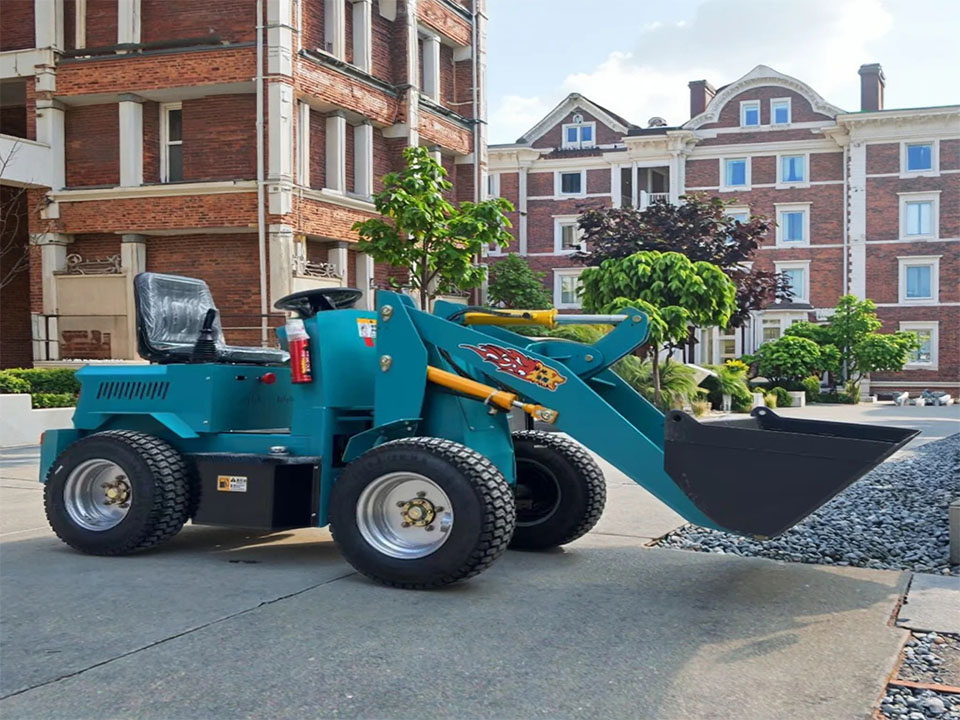
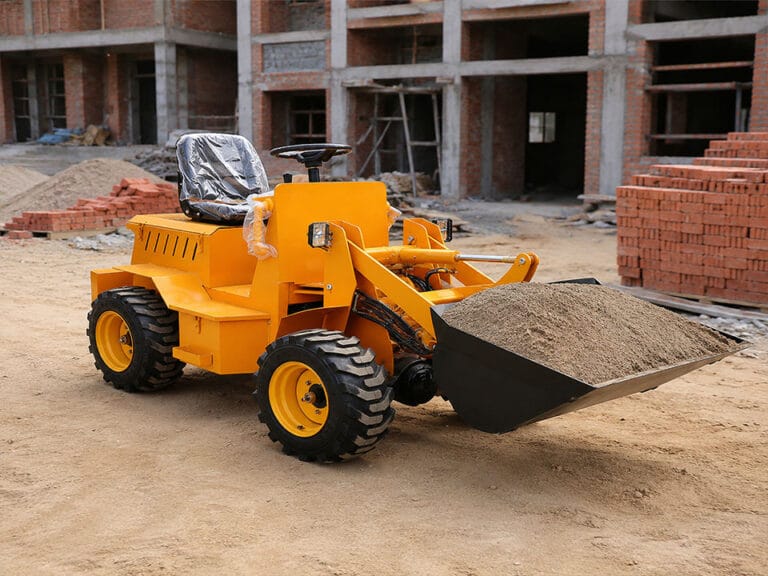
But yes, some machines are easier to maintain than others. A compact loader used for sand, gravel, bricks, pallets, and waste handling—like a compact mini wheel loader for construction material handling—needs a different maintenance rhythm from a large quarry loader or a warehouse-only electric unit.
Table of Contents
Why B2B Buyers Should Demand a Loader Maintenance SOP Before Purchase
Most buyers ask, “What is the price?”
I’d ask, “What fails first?”
That question tells you more about the machine than a glossy catalog ever will. If the supplier can’t explain the daily inspection points, grease locations, hydraulic oil grade, filter replacement interval, battery care, tire pressure range, and defect reporting process, then you’re not buying equipment—you’re buying future confusion.
A proper loader maintenance SOP should answer five hard questions:
Who checks the machine before startup?
What must be checked before every shift?
Which defects stop operation immediately?
Which defects can be logged and repaired later?
Who signs the maintenance record?
So simple. Yet on many jobsites, nobody owns the answer, and that’s where downtime gets expensive.
For B2B buyers, especially importers and contractors buying multiple units, the SOP should be included in the procurement file alongside quotation, invoice, packing list, warranty terms, spare parts list, and operator training notes. If you buy a compact electric wheel loader for construction handling, the SOP should also include battery charging behavior, cable inspection, controller protection, and wet-site operating limits.
The Daily Loader Maintenance Checklist That Actually Matters
A daily loader maintenance checklist should not be a 70-line monster that nobody reads.
I frankly believe the best checklist is short, visual, and brutal. It should catch problems before the machine leaves the parking area, not after the bucket is already loaded with wet gravel and the operator is shouting over engine noise.
Here’s the core daily inspection:
Inspection Area
What to Check
Failure It Prevents
Stop Machine?
Engine area
Oil level, coolant level, belt tension, visible leaks
A cracked hose rubbing near the boom pivot, especially when the machine handles abrasive materials like brick, sand, stone, and demolition waste, can turn one cheap hose into a jobsite shutdown; the maintenance SOP must force the operator to look at rub points, not just oil level, because oil level only tells you what already escaped. See the difference?
Weekly Loader Maintenance SOP: Where Smart Buyers Save Money
This is where the maintenance team should stop trusting the operator’s memory and start using a written defect log. Not a pretty one. A useful one.
Weekly SOP items should include:
Grease all loader pins, bucket pivot points, steering joints, and lift-arm bushings.
Inspect hydraulic cylinders for rod scratches, seal sweating, and uneven movement.
Check battery voltage, terminals, charging behavior, and cable wear.
Inspect air filter condition, especially on dusty construction sites.
Check tire pressure with a gauge, not by kicking the rubber.
Clean radiator fins and cooling passages.
Confirm all safety labels are readable.
Test parking brake holding ability on a controlled slope.
Record abnormal vibration, noise, or slow hydraulic response.
Hard truth: if the site has dust, mud, brick powder, cement residue, or long idle periods, the checklist must be stricter than the supplier’s basic brochure interval.
A loader working around masonry material is not living an easy life. If your team also uses vertical handling equipment such as a heavy-duty masonry lifting platform for brick handling, the maintenance system should cover both machines together, because brick handling creates the same enemies: dust, shock load, repeated starts, and careless loading habits.
Monthly Preventive Maintenance: The B2B Buyer’s Real Warranty Shield
Warranty arguments are ugly.
The buyer says the machine failed too early. The supplier asks for photos, videos, service records, oil condition, operating hours, load weight, and maintenance proof. Then everyone gets irritated.
A monthly heavy equipment preventive maintenance record protects both sides. It gives the buyer evidence. It gives the supplier a fair technical baseline. And it exposes operator abuse before it becomes a warranty dispute.
Monthly loader maintenance should include:
Change or inspect engine oil based on hours and site severity.
Replace or clean air filter elements depending on dust load.
Inspect hydraulic oil color, smell, contamination, and foaming.
Check torque on wheel nuts and structural bolts.
Inspect frame welds near loader arms and articulation areas.
Review brake wear and steering linkage condition.
Test charging system and battery health.
Inspect bucket cutting edge wear.
Review all reported defects from the past 30 days.
Compare fuel or power consumption against normal usage.
Don’t skip oil.
Hydraulic oil contamination is one of those quiet killers that rarely gets blamed in the first meeting, yet it damages pumps, valves, seals, and cylinders while the machine still appears “usable,” which tricks operators into pushing harder until lifting speed drops or heat climbs. What buyer wants that surprise during peak project season?
For electric machines, the monthly SOP needs a different angle: battery cycle behavior, charger condition, waterproofing, connector heat marks, and controller warnings. That’s why a compact electric wheel loader for construction handling should be maintained with both mechanical and electrical checkpoints.
Defect Reporting: The Part Most Jobsites Fake
A loader defect report should not say, “Machine has problem.”
That’s useless.
A proper defect report should include machine model, serial number, hour meter, operator name, jobsite location, load type, fault time, visible symptom, photo/video evidence, whether operation stopped, and temporary action taken. If hydraulic oil is leaking, write where. If the bucket drifts down, record whether it happens loaded or unloaded. If steering feels loose, say when: low speed, high speed, loaded bucket, or reverse travel.
B2B buyers should require three defect categories:
Defect Level
Meaning
Example
Action
Level A
Stop-use safety fault
Brake failure, active hydraulic hose leak, steering loss
Remove from service immediately
Level B
Repair before next heavy shift
Slow lifting, tire damage, abnormal noise
Schedule repair quickly
Level C
Monitor and log
Minor seepage, worn label, small vibration
Track trend and inspect again
This is where many companies lie to themselves. They record defects after the machine breaks, not when the warning signs appear.
Jobsite Conditions Change the SOP
A loader working in a clean warehouse is not the same animal as a loader pushing wet sand on a muddy building site.
So why do buyers use one generic checklist?
For construction jobsites, I’d adjust the SOP based on four site conditions:
Dust-heavy sites: shorten air filter inspection intervals, clean radiator fins more often, protect electrical connectors, and inspect grease points daily.
Mud-heavy sites: wash undercarriage zones, inspect brake areas, check tire damage, and remove packed soil around moving parts.
Hot-weather sites: watch coolant level, radiator cleanliness, hydraulic oil temperature, belt tension, and operator idle habits.
Multi-machine sites: coordinate loader work with lifts, forklifts, cargo platforms, and material staging equipment.
If the loader feeds materials into a warehouse or multi-level storage flow, match the SOP with vertical movement equipment like a hydraulic cargo lift platform for warehouse freight. One broken loader slows loading. One broken cargo lift blocks movement. Together, they can freeze the site.
Diesel Loader vs Electric Loader Maintenance SOP
Buyers love simple answers. Diesel or electric?
But the maintenance answer depends on jobsite duty cycle, charging access, ventilation rules, noise limits, operator skill, and daily load weight.
Maintenance Factor
Diesel Loader SOP Focus
Electric Loader SOP Focus
Buyer Warning
Power system
Engine oil, fuel filter, coolant, belts
Battery, charger, controller, wiring
Don’t use diesel SOP for electric units
Heat control
Radiator, coolant, fan belt
Controller temperature, battery heat
Heat damage looks different
Daily inspection
Oil, fuel, leaks, exhaust smoke
State of charge, cable damage, charging plug
Operators need separate training
Failure risk
Dirty fuel, low oil, clogged air filter
Poor charging, connector corrosion, water exposure
Storage matters
Best fit
Outdoor heavy-duty site work
Low-noise, indoor, urban, short-cycle work
Match machine to site
A diesel mini loader may tolerate rough outdoor work better in some conditions, while electric loaders often win in low-noise, indoor, municipal, or warehouse-adjacent sites. But I don’t like buyers choosing power type only by price. That’s lazy procurement.
Choose based on failure risk.
Spare Parts Planning: The Forgotten Part of Loader Maintenance
A loader maintenance SOP without spare parts planning is only half a system.
B2B buyers should prepare a basic spare parts package before the first machine arrives. At minimum, ask the supplier for:
Hydraulic hoses and fittings
Oil filters
Air filters
Fuel filters for diesel models
Grease fittings
Brake parts
Common electrical relays or switches
Bucket teeth or cutting edge parts
Seal kits
Tire repair support
Battery service items for electric models
This is not “extra cost.” It’s downtime insurance.
The cheapest loader becomes expensive if one small hose stops the machine for two weeks. And yes, buyers should ask the factory which parts fail most often under dusty construction use, not just which parts are included free.
A Practical Loader Maintenance SOP Template for B2B Buyers
Here’s the structure I’d use for a buyer-side SOP.
SOP Section
Required Content
Responsible Person
Record Type
Pre-start inspection
Fluid level, tires, leaks, brakes, lights
Operator
Daily checklist
Warm-up procedure
Idle time, hydraulic movement test, noise check
Operator
Shift log
Operating rules
Load limit, slope rules, speed control, no overload
The SOP should fit on real clipboards, real phones, and real jobsite habits; if your checklist takes longer to complete than the operator’s morning machine warm-up, your crew will pencil-whip it by Wednesday and pretend the system works. Isn’t that how failures sneak in?
How B2B Buyers Should Audit Supplier Maintenance Support
Before placing a bulk order, ask the loader supplier these questions:
Can you provide a loader maintenance checklist in English?
Do you provide hydraulic system diagrams?
What oil grades do you recommend?
What filters should be stocked for 12 months?
What are the first 10 wear parts buyers usually replace?
Can you provide operation videos?
Can you help diagnose faults through WhatsApp or email?
What defects void warranty?
Do you provide packing photos and machine test videos before shipment?
Can you customize a maintenance SOP for jobsite use?
If the supplier gives vague answers, push harder.
A professional B2B loader supplier should understand that buyers are not only buying steel, tires, and hydraulic cylinders. They are buying uptime, parts access, service clarity, and risk control.
FAQ
What is a loader maintenance checklist?
A loader maintenance checklist is a structured inspection document that tells operators and maintenance teams exactly what to check before, during, and after machine use, including fluids, tires, brakes, hydraulics, pins, lights, steering, battery condition, and visible damage, so small defects are found before they become jobsite failures.
For B2B buyers, the checklist should become part of the purchase file, operator training, warranty process, and daily jobsite control system. It should be simple enough for operators to use but detailed enough to support repair decisions.
What should a loader maintenance SOP include?
A loader maintenance SOP should include daily inspections, weekly greasing, monthly preventive maintenance, defect reporting rules, stop-use criteria, spare parts planning, operator responsibility, supervisor review, and supplier communication steps, so the machine is maintained consistently across different jobsites, operators, and working conditions.
I would also include photos of grease points, hydraulic hoses, filter locations, battery terminals, warning lights, and common failure areas. Visual SOPs work better than long text, especially when operators speak different languages.
How often should a wheel loader be inspected on a jobsite?
A wheel loader should be inspected before every shift, serviced weekly for grease and visible wear points, and reviewed monthly for deeper preventive maintenance items such as oil condition, bolts, brakes, steering, structural cracks, hydraulic performance, and defect trends, especially when used in dusty or heavy-load construction work.
The inspection interval should be shorter if the loader handles sand, gravel, bricks, wet soil, demolition debris, or palletized heavy materials. Site severity matters more than calendar time.
How can B2B buyers prevent loader failures on jobsites?
B2B buyers can prevent loader failures by requiring a written loader maintenance SOP, training operators on daily checks, categorizing defects by severity, stocking fast-moving spare parts, reviewing maintenance records monthly, and choosing machines that match the jobsite’s load type, surface condition, climate, and operating hours.
The biggest mistake is treating maintenance as the operator’s private habit. It should be a controlled buyer-side process, especially for fleets, dealers, rental companies, and contractors managing several machines.
What loader defects should stop operation immediately?
Loader defects that should stop operation immediately include brake failure, steering loss, active hydraulic leaks, cracked lift-arm structure, severe tire damage, abnormal engine overheating, electrical burning smell, uncontrolled bucket drift, missing safety controls, or any fault that can cause rollover, collision, dropped load, fire, or injury.
Do not let operators “finish one more load” with these defects. That sentence has probably destroyed more machines than bad factories ever did.
Is electric loader maintenance easier than diesel loader maintenance?
Electric loader maintenance is often simpler because there is no diesel engine oil, fuel filter, exhaust system, or engine coolant routine, but it still requires disciplined battery care, charger inspection, cable protection, controller monitoring, connector cleaning, and moisture control to prevent electrical faults and reduced service life.
So yes, electric can be easier. But it is not maintenance-free. Different risk, different SOP.
CTA
If you are buying loaders for construction jobsites, rental fleets, masonry yards, warehouses, or municipal projects, don’t ask only for price and delivery time. Ask for the loader maintenance checklist, spare parts plan, inspection routine, and defect reporting process before payment.
Contact our equipment manufacturer to discuss mini loaders, freight elevators, lift platforms, and lawn mowers for construction, logistics, agriculture, landscaping, mining, and municipal projects. Founded in 2019, we support global B2B buyers with RFQ review, WhatsApp or email communication, sales team guidance, customization, and export-ready machinery solutions.
Company
About
Solutions
Applications
Electric Freight Elevator
Contact
Products
Mini Loader
Freight Elevator
Lift Platform
Lawn Mower
Electric Mini Loader
Contact
+86 151 0096 5355
North of Xiaozhuangdong Village, Weijiazhuang Town, Longyao County, Xingtai City, Hebei Province, China