Reliable Mini Loader Manufacturer for OEM & Wholesale Equipment Buyers
A trusted industrial equipment manufacturer helps B2B buyers source reliable machinery for construction, material handling, agriculture, landscaping, mining, and environmental applications. Since 2019, we have manufactured mini loaders, freight elevators, lift platforms, and lawn mowers for customers across Western countries, Japan, South Korea, Central Asia, Russia, and other markets.
Longyao County Yuhong Machinery Manufacturing Co., Ltd.
Since 2019
North of Xiaozhuangdong Village, Weijiazhuang Town, Longyao County, Xingtai City, Hebei Province, China
Rental Scissor Lift Inspection Program for B2B Buyers in 2026
A hard-nosed guide to building a rental scissor lift inspection program before equipment enters your warehouse, jobsite, or maintenance fleet. Written for B2B buyers who care about downtime, liability, hydraulic leaks, and real inspection discipline.
A cheap rental lift can become expensive before lunch.
Not glamorous work. But if a B2B buyer signs for a rental scissor lift without a written inspection program, that buyer is basically accepting someone else’s maintenance culture, someone else’s battery abuse, someone else’s hydraulic leak history, and someone else’s last-minute paint-over job—then putting employees, inventory, racking, doors, ceiling pipes, and insurance paperwork on top of it. Why gamble?
The search intent behind Rental Scissor Lift Inspection Program for B2B Buyers in 2026 is mostly commercial-informational. The buyer is not casually reading. They are probably comparing rental suppliers, building a site safety process, preparing audit documents, or trying to stop operators from treating scissor lifts like disposable warehouse trolleys.
I’ll say the quiet part: most rental scissor lift problems don’t begin with the lift. They begin with the buyer’s weak receiving process.
OSHA’s aerial lift guidance says a pre-start inspection should be conducted before each work shift to verify the equipment and components are safe for operation, which is exactly why a rental unit needs more than a signature at delivery. For scissor lifts specifically, OSHA also highlights hazards such as falls, tip-overs, electrocution, collapse, and contact with overhead objects.
Table of Contents
The Hard Truth: Rental Inspection Is a Procurement Control, Not a Safety Poster
I frankly believe B2B buyers over-focus on rental price per day and under-focus on evidence. A scissor lift at $90/day with missing inspection records, slow lift response, soft tires, sweating cylinders, and a half-dead battery pack is not “cheap.” It is a delayed invoice.
In 2026, the smart buyer should treat rental scissor lift inspection as a three-part control:
Supplier qualification before the rental order
Receiving inspection when the lift arrives
Daily pre-use inspection before each work shift
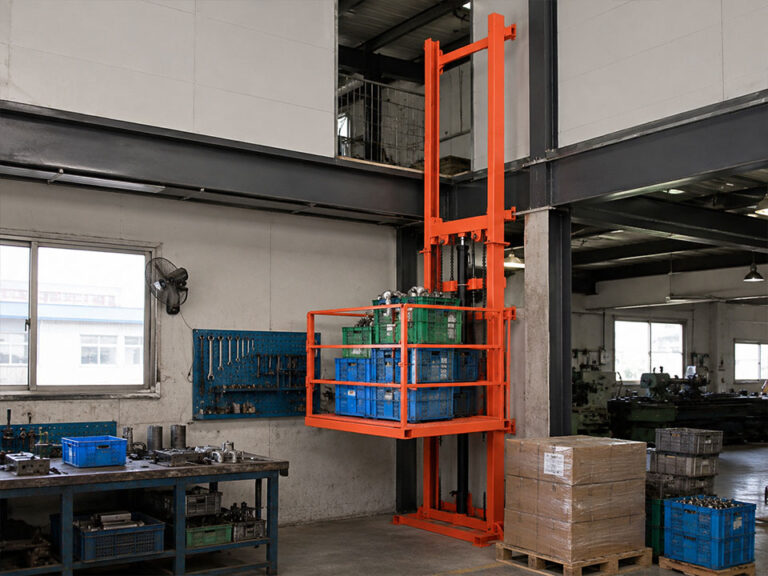
That same logic applies across other material handling equipment too. A buyer comparing lift access equipment with a one-touch cargo lift for warehouses and construction sites should not only ask about load capacity; they should ask how inspections are documented, how emergency stops are tested, and how hydraulic leaks are handled before dispatch.
But rental scissor lifts are worse in one way: they move between unknown sites. One week it is drywall dust. Next week it is a food warehouse. Then an outdoor slab with water, mud, and impatient contractors. Rental machines collect bad habits.
What B2B Buyers Should Demand Before Accepting a Rental Scissor Lift
Do not start with the platform height. Start with records.
Ask the rental supplier for the latest maintenance log, annual inspection record, battery service record, hydraulic repair history, tire condition notes, and operator manual availability. If the supplier acts offended, that tells you something.
Here is my blunt buyer-side filter:
Inspection Area
What to Check
Buyer Risk If Ignored
Reject or Hold?
Maintenance records
Last service date, annual inspection, repair notes
A proper scissor lift inspection checklist is not a clipboard ritual. It is a financial screen.
Hydraulic Leak Inspection Checklist: The Part Nobody Wants to Own
The phrase Hydraulic Leak Inspection Checklist may sound narrow, but in rental scissor lifts it is one of the fastest ways to expose poor maintenance.
A buyer should inspect:
Cylinder rod scoring, rust, pitting, and wetness
Hose bends near pinch points
Fittings below the platform stack
Pump compartment floor
Hydraulic reservoir level
Drip marks on the delivery truck bed
Oil stains under the lift after 10 minutes parked
Platform drift after elevation
Slow lift/lower response under rated working load
Here’s the ugly truth: a wiped-clean cylinder is not proof of no leak. It may only prove someone had a rag.
For warehouse buyers already using fixed vertical transport equipment such as a hydraulic single-rail freight elevator cargo lift platform, hydraulic leak discipline should feel familiar: oil loss is not just a maintenance issue; it is a floor safety issue, contamination issue, and downtime issue.
And yes, use numbers. If your receiving team logs “small leak,” that means nothing. Write “one visible oil drop formed at left lift cylinder fitting after 8 minutes elevated at 3.2 m.” That is evidence.
OSHA Data Makes the Business Case for Daily Pre-Use Inspection
Nobody likes paperwork until the accident report arrives.
The U.S. Bureau of Labor Statistics reported that in 2023, falls, slips, and trips accounted for 421 construction fatalities, or 39.2% of all construction deaths; most fatal falls to a lower level in construction were from 6 to 30 feet. That range is exactly where many scissor lifts operate.
OSHA accident records are even more direct. In one 2023 case, an employee fell 7 feet from a scissor lift while installing interior metal panels and suffered fatal head trauma. In a 2024 OSHA accident record, an employee on a scissor lift was crushed against an overhead building structure after the lift elevated, resulting in fatal injuries.
Those are not abstract “safety culture” stories. They are procurement warnings.
A rental scissor lift buyer in 2026 should assume every unit needs a fresh site-specific check. Not because rental suppliers are always careless. Because the jobsite changes the risk profile.
Build the 2026 Rental Scissor Lift Inspection Program Around Four Gates
Gate 1: Supplier Pre-Qualification
Before the purchase order, ask for the supplier’s inspection process. Not a sales brochure. A real process.
Require:
Latest annual inspection document
Preventive maintenance interval
Emergency repair response time
Operator manual availability
Battery replacement policy
Hydraulic hose replacement rules
Delivery photo documentation
Machine model, serial number, working height, platform capacity
If they cannot provide the serial number before dispatch, I would question whether they control their fleet properly.
Gate 2: Receiving Inspection at Delivery
The receiving inspection is where B2B buyers regain control.
Do not let the driver drop the lift and leave before basic checks are complete. Run the lift from ground controls. Run it from platform controls. Test emergency stop. Test descent. Inspect the charger. Photograph all four sides, tires, decals, platform gate, control panel, hydraulic area, and serial plate.
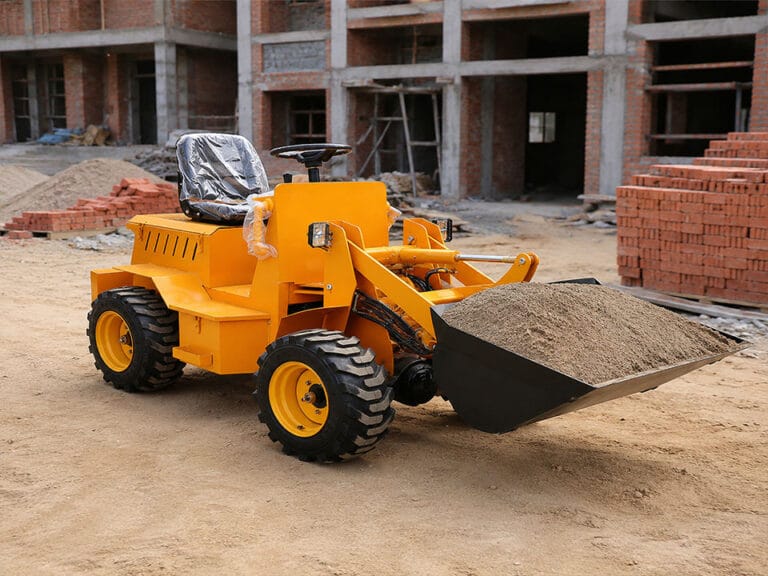
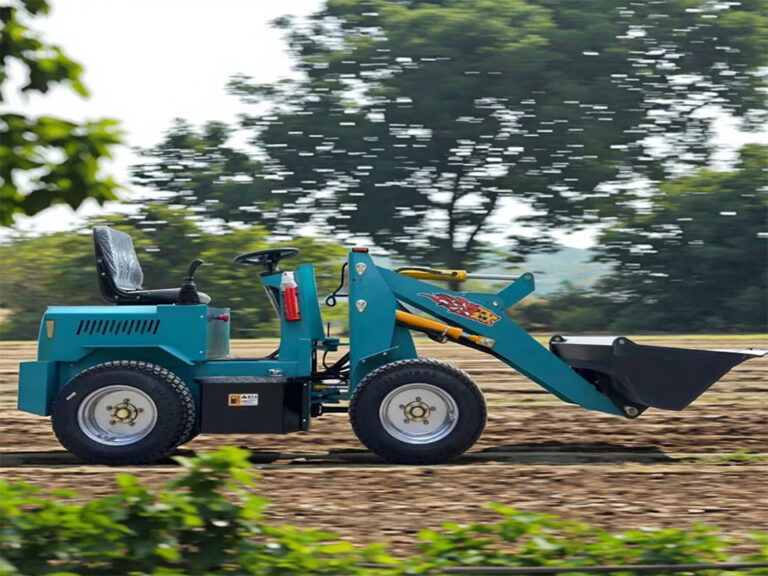
For buyers also handling compact machinery such as an electric mini wheel loader for construction handling jobs, the same receiving discipline applies: record condition before use, document defects, and separate transport damage from operator damage.
Gate 3: Daily Scissor Lift Pre-Use Inspection
The operator should complete a scissor lift pre-use inspection before each shift. I don’t mean “looked okay.” I mean a signed checklist with pass/fail items.
Daily checks should include:
Fluid leaks
Tires and wheels
Guardrails and entry gate
Platform controls
Ground controls
Emergency lowering
Brakes
Pothole protection
Battery charge
Charger cable condition
Warning alarms
Horn or travel alarm
Overhead obstruction review
Floor condition and slope
Load rating confirmation
OSHA’s aerial lift fact sheet says workers should inspect vehicle components such as fluid levels, leaks, wheels, tires, batteries, chargers, lower-level controls, operating controls, safety devices, and personal protective devices before operation.
Gate 4: Return Inspection and Dispute Control
Most buyers forget the return inspection. Big mistake.
When the lift leaves your site, photograph the same points again. Battery. Tires. Rails. Controls. Hydraulic compartment. Charger. Serial plate. Hour meter. If the rental company later claims damage, you have a factual record.
For mixed equipment buyers running lift platforms, loaders, and warehouse transport machines, this discipline also protects supplier relationships. A company purchasing a 907 bent arm King diesel wheel loader for construction sites already knows that one dent, one oil leak, or one missing document can become a payment argument. Rental scissor lifts are no different.
The Inspection Matrix I Would Use for B2B Buyers
Program Layer
Frequency
Owner
Evidence Required
Failure Action
Supplier qualification
Before rental approval
Procurement + Safety
Maintenance log, annual inspection, model/serial data
Block supplier or request alternate unit
Delivery inspection
At site arrival
Warehouse/site supervisor
Photos, checklist, function test record
Reject or hold machine
Hydraulic leak inspection
Arrival + daily
Operator + maintenance lead
Leak location, time, photo, oil trace notes
Stop use if active leak
Pre-use inspection
Every shift
Trained operator
Signed daily checklist
Tag out if failed
Site risk review
Before each task
Supervisor
Floor/slope/overhead/load review
Change method or relocate
Return inspection
Before pickup
Site supervisor
Exit photos, hour meter, condition notes
File dispute evidence
That table is not fancy. It works.
Why “B2B Buyer” Changes the Inspection Standard
A homeowner renting a small tool may accept uncertainty. A B2B buyer cannot.
A warehouse buyer has forklifts, racking, pedestrians, loading docks, stock value, insurance audits, and customer delivery deadlines. A construction buyer has uneven ground, steel frames, overhead beams, open edges, and subcontractor chaos. A maintenance buyer has ceiling utilities, electrical panels, sprinkler lines, and night-shift shortcuts.
So the rental scissor lift safety program must be written for the site, not copied from the supplier.
The same mindset fits vertical movement equipment such as a wireless remote controlled freight elevator for warehouse: remote control convenience is useful, but only when paired with load discipline, inspection logs, emergency stop testing, and operator boundaries.
What I Would Reject Immediately
Some defects deserve no debate.
Reject the rental scissor lift if you find:
Active hydraulic leak
Missing or unreadable load capacity label
Damaged guardrail or gate latch
Platform controls that respond slowly or inconsistently
Emergency stop failure
Emergency lowering failure
Exposed battery cable damage
Tire chunking or uneven tire failure
Missing operator manual
Unknown serial number
Supplier refusal to provide inspection record
But here is where I’ll sound harsh: if your team accepts the machine anyway because “the job must start,” you no longer have a rental supplier problem. You have a management problem.
The 2026 Buyer Checklist: What Should Be on the Form
A strong aerial lift inspection checklist should include these sections:
Machine Identity
Supplier name
Model
Serial number
Hour meter
Delivery date
Return date
Rated platform capacity
Maximum platform height
Indoor/outdoor rating
Mechanical and Hydraulic
Oil leak inspection
Hydraulic hose condition
Cylinder rod condition
Platform drift check
Lift/lower speed
Brake function
Steering response
Tire condition
Electrical and Battery
Battery charge
Charger cable
Plug condition
Battery compartment corrosion
Warning alarms
Control panel labels
Platform and Structure
Guardrails
Entry gate
Toe boards
Platform deck
Scissor stack damage
Pins and visible pivot points
Safety decals
Site Conditions
Floor load capacity
Slope
Holes
Debris
Overhead beams
Power lines
Sprinkler pipes
Door clearance
Pedestrian routes
Decision
Accept
Hold
Reject
Tag out
Supplier contacted
Replacement requested
Short forms get completed. Overlong forms get pencil-whipped. That’s the balance.
FAQ
What is a rental scissor lift inspection program?
A rental scissor lift inspection program is a written B2B control process that checks the machine before rental approval, at delivery, before each shift, during hydraulic leak review, and before return, using documented evidence such as photos, serial numbers, maintenance records, operator checks, and pass/fail decisions. It prevents blind acceptance of unsafe or poorly maintained rental equipment.
For 2026 buyers, the program should sit between procurement, safety, and site operations. Procurement verifies the supplier. Safety defines the checklist. Operators complete daily checks. Supervisors stop use when the lift fails inspection.
How often should a rental scissor lift be inspected?
A rental scissor lift should be inspected before supplier acceptance, immediately upon delivery, before each work shift, after any suspected damage, after abnormal operation, and before return to the rental company, with the daily pre-use inspection completed by a trained operator using a signed checklist. This protects both safety and commercial accountability.
The daily inspection should never replace supplier maintenance records. It adds a site-level control because your floor, load, operator behavior, and overhead hazards are not identical to the previous rental site.
What should be included in a hydraulic leak inspection checklist?
A hydraulic leak inspection checklist should include cylinder rods, hose bends, fittings, pump compartment, reservoir level, platform drift, oil stains below the lift, fresh fluid around seals, abnormal lift speed, and photos with time-stamped notes showing whether the leak is active, old residue, or transport contamination. Active leaks should stop the rental from being used.
For B2B buyers, hydraulic oil on a warehouse floor is not a small cosmetic defect. It creates slip risk, product contamination risk, and a potential argument over equipment damage when the machine is returned.
How do B2B buyers inspect a rental scissor lift before use?
B2B buyers inspect a rental scissor lift before use by verifying records, confirming model and serial number, testing ground and platform controls, checking emergency stop and lowering functions, inspecting rails, tires, batteries, decals, hydraulic parts, and reviewing site hazards such as slope, holes, overhead beams, doors, and pedestrian traffic. The result should be documented before operation.
The strongest programs also photograph the machine on arrival. That one habit can prevent disputes about pre-existing damage, missing chargers, tire cuts, and oil leaks.
When should a rental scissor lift be rejected?
A rental scissor lift should be rejected when it has active hydraulic leakage, failed emergency controls, damaged guardrails, missing capacity labels, defective tires, unstable movement, unreadable safety decals, missing manuals, exposed electrical damage, unknown serial data, or no acceptable inspection record from the supplier. Rejecting the unit is cheaper than explaining an avoidable incident.
Do not let schedule pressure override the checklist. In B2B operations, one unsafe lift can damage people, inventory, contracts, and insurance standing at the same time.
Final Buyer Position
A rental scissor lift inspection program is not paperwork for nervous managers. It is a buying filter.
In 2026, the best B2B buyers will not ask only, “How much is the rental per day?” They will ask, “Which exact unit are you sending, what is its inspection history, where are the weak points, who signs the daily pre-use check, and what happens if we find a hydraulic leak at delivery?”
That is how serious buyers protect uptime.
Need a supplier that understands lifting, material handling, and inspection-sensitive equipment? Review Yuhong Machinery’s warehouse and construction lifting solutions, including cargo lifts, freight elevators, and compact handling machines, then build your rental and purchasing checklist around evidence—not sales talk.
Contact our equipment manufacturer to discuss mini loaders, freight elevators, lift platforms, and lawn mowers for construction, logistics, agriculture, landscaping, mining, and municipal projects. Founded in 2019, we support global B2B buyers with RFQ review, WhatsApp or email communication, sales team guidance, customization, and export-ready machinery solutions.
Company
About
Solutions
Applications
Electric Freight Elevator
Contact
Products
Mini Loader
Freight Elevator
Lift Platform
Lawn Mower
Electric Mini Loader
Contact
+86 151 0096 5355
North of Xiaozhuangdong Village, Weijiazhuang Town, Longyao County, Xingtai City, Hebei Province, China