Reliable Mini Loader Manufacturer for OEM & Wholesale Equipment Buyers
A trusted industrial equipment manufacturer helps B2B buyers source reliable machinery for construction, material handling, agriculture, landscaping, mining, and environmental applications. Since 2019, we have manufactured mini loaders, freight elevators, lift platforms, and lawn mowers for customers across Western countries, Japan, South Korea, Central Asia, Russia, and other markets.
Longyao County Yuhong Machinery Manufacturing Co., Ltd.
Since 2019
North of Xiaozhuangdong Village, Weijiazhuang Town, Longyao County, Xingtai City, Hebei Province, China
Freight Elevator Service Window Planning: Reduce Emergency Calls
Emergency freight elevator calls are usually not “bad luck”; they are often badly timed maintenance wearing a costume. This guide explains how to plan service windows around load cycles, shift patterns, vendor access, and factory downtime without turning every repair into a production argument.
Then it breaks loudly, usually at 7:40 a.m., when the first pallet backlog is already forming, the warehouse supervisor is blaming the night shift, the purchasing team is calling the vendor, and nobody can find the last inspection note because “it’s probably in the binder.”
Why does this keep happening?
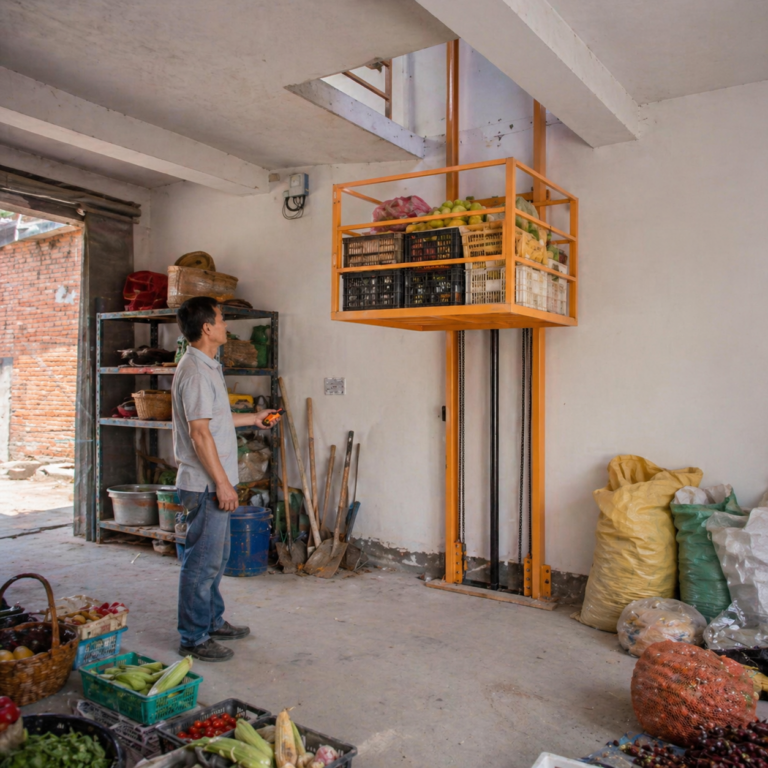
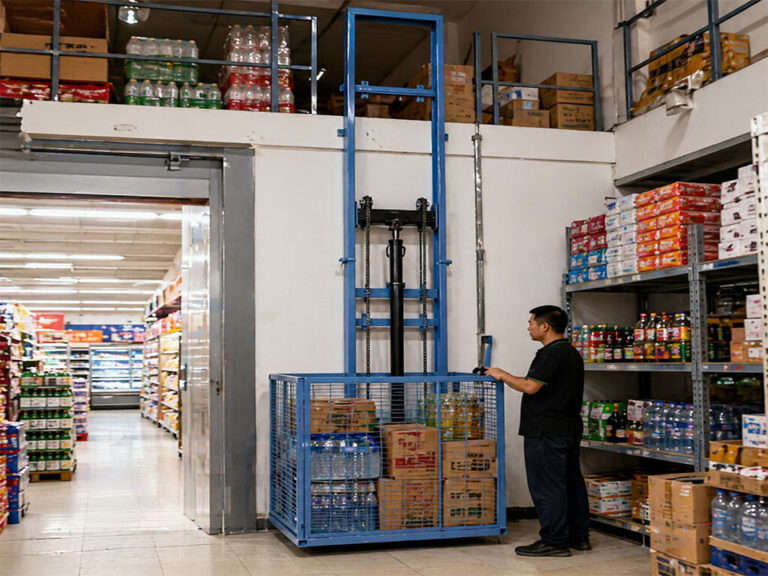
I’ve seen the same ugly pattern in factories, warehouses, food plants, textile workshops, furniture facilities, and small distribution buildings: freight elevators get treated like background equipment until they become the main event. A loader gets a daily walkaround. A forklift gets logged. A production line gets PM blocks. But the cargo lift? People assume it will keep moving because it moved yesterday.
That’s expensive thinking.
Good Freight Elevator Maintenance is not about polishing doors, checking a box, or waiting for a mechanic to “take a look when free.” It is about building a service window that matches real operating pressure: pallet peaks, loading dock rhythm, operator behavior, seasonal volume, spare-part lead time, and the one thing managers hate admitting—some downtime must be planned, or it will be forced on you.
The hard truth: emergency calls are often scheduled by neglect. You just don’t see the calendar.
Table of Contents
Why Emergency Freight Elevator Calls Are Usually Management Failures
A freight elevator rarely fails from one dramatic cause. It usually fails from many small insults.
Door interlocks get abused. Chains stretch. Hydraulic oil gets contaminated. Limit switches drift. Operators overload the platform “just this once.” Pallet jacks slam thresholds. Forklift traffic shakes the landing edge. Dust builds inside control cabinets. Nobody logs the minor fault because the lift “started working again.”
Then management calls it sudden.
It wasn’t sudden.
For context, the U.S. Bureau of Labor Statistics reported 2.6 million nonfatal workplace injuries and illnesses in private industry in 2023, with the release published in November 2024; that number matters because factories and warehouses don’t lose money only when a machine stops—they lose money when people improvise around stopped equipment. OSHA’s lockout/tagout rule also makes a blunt point: servicing and maintenance must control hazardous energy when unexpected startup or release of stored energy could hurt workers, which is exactly why “quick checks” on lifting equipment cannot be treated casually. tenance department. Some small factories run better than famous brands because one practical person owns the schedule and refuses to accept vague service notes.
That person saves money.
The Real Goal: Reduce Calls, Not Just Repair Faster
Emergency call reduction sounds simple. It isn’t.
The wrong approach is to ask, “How fast can the technician arrive?” The better question is, “Why did we need an emergency visit at all?”
A freight elevator service schedule should separate work into four buckets: inspection, cleaning, adjustment, and planned component replacement. Mixing these together creates confusion. A technician can inspect a door roller in five minutes, but replacing a worn roller at 10:30 a.m. during a shipping rush is a fight waiting to happen.
So we plan.
For facilities running mixed material-handling assets, I’d compare elevator planning with the discipline used around rough-terrain machines. A business that tracks wear on a remote control tracked lawn mower brush cutter robot because terrain destroys undercarriage parts should apply the same logic to freight elevators: load, dust, moisture, vibration, and operator abuse decide the maintenance cycle, not the sales brochure.
But most factories still use the calendar alone.
Bad idea.
The 5 Signals That Your Service Window Is Too Late
You don’t need mystery. You need pattern recognition.
If your freight elevator shows two or more of these signs, the service window is already late:
Here’s the annoying part: the operator usually knows first.
The maintenance manager may not see the slow door. The owner may not hear the pump noise. The technician may arrive after the lift has cooled down and behave normally. But the person moving cartons, sacks, pallets, and machine parts knows when the lift feels “off.”
Listen to them.
Build Service Windows Around Load Rhythm, Not Convenience
A service window planned only around technician availability is weak. A service window planned around production reality is strong.
For a factory freight elevator, I normally want these data points before setting the schedule:
Planning Data
Why It Matters
Simple Way to Capture It
Peak lift hours
Avoid planned downtime during load spikes
Count trips by hour for 7 working days
Average load type
Pallets, cartons, drums, tools, raw material all stress equipment differently
Record top 5 load categories
Overload attempts
Abuse predicts faults better than age
Operator checklist plus supervisor review
Door cycle count
Doors fail more often than managers admit
Manual counter or controller record
Downtime tolerance
Defines whether service can happen during lunch, night, weekend, or shift change
Ask production and warehouse together
Spare-part lead time
Prevents “planned” work becoming extended downtime
Keep supplier list and part numbers
Don’t guess.
I frankly believe the door system deserves more attention than many factories give the hydraulic unit. Why? Because door problems create nuisance shutdowns, user frustration, and unsafe forcing behavior. A pump problem gets respect. A sticky door gets kicked.
That’s how cheap faults become expensive calls.
Weekly, Monthly, Quarterly: A Practical Service Schedule
A freight elevator service schedule should be boring enough to repeat and strict enough to survive busy season. I like this structure because it avoids fantasy maintenance planning.
Frequency
Who Handles It
What Gets Checked
Output
Daily / per shift
Operator or warehouse lead
Door movement, landing area, strange noise, visible leakage, overload behavior
Quick log: pass/fail plus note
Weekly
Site maintenance staff
Track cleaning, landing edge, control panel condition, warning labels, basic function
Certified / authorized professional as required by local rules
Full inspection, safety devices, compliance records, load-related review
Formal inspection file
The ASME A17.1/CSA B44 safety code family covers design, construction, operation, inspection, testing, maintenance, alteration, and repair of elevators and similar equipment, so freight elevator maintenance planning should never be treated as casual housekeeping.
And yes, your local legal requirement may differ.
But the discipline should not.
The Downtime Math Nobody Wants to Discuss
Let’s use a plain example.
A small warehouse has one freight elevator. It moves 45 trips per day. Average handling value affected per trip: $180 in labor timing, order flow, and dock coordination. If the lift fails for one day, the damage is not just the technician invoice. It is delayed shipping, stair handling, overtime, damaged goods, supervisor distraction, and sometimes a safety exposure because workers improvise.
The invoice is visible. The waste is hidden.
Emergency service also carries softer costs: rushed diagnosis, limited parts availability, after-hours labor, operator blame, customer delay, and production rescheduling. Planned elevator maintenance, by contrast, lets you stage spare parts, notify warehouse staff, move inventory ahead of time, and give sales or dispatch a realistic cutoff.
It’s not glamorous.
It works.
A similar operating mindset applies to field equipment as well. When a contractor chooses a remote control 4WD brush cutter mower for rough terrain, they know the working surface will punish weak planning. Freight elevators are no different; the “terrain” is vertical movement, load shock, landing impact, and repetition.
How to Pick the Right Service Window
The best service window is the one production can actually tolerate.
Not the one written in a neat PDF. Not the one chosen by the supplier because Tuesday afternoon is open. The one that avoids peak movement and gives maintenance enough access to do real work.
Use this process:
Track elevator trips for one full operating week.
Identify the lowest-volume 90-minute block.
Ask warehouse, production, and shipping whether that block is truly usable.
Reserve a backup window in the same week.
Pre-stage spare parts before the technician arrives.
Require a closeout report with faults, adjustments, parts used, and next-risk items.
Review repeated faults every month, not every year.
I’ve watched factories lose half a day because nobody had a simple landing key, nobody cleared the area, and nobody told shipping the elevator would be unavailable.
That isn’t maintenance. That’s theater.
Service Windows by Facility Type
Different buildings need different service logic. Copying a generic checklist is lazy.
Facility Type
Common Freight Elevator Stress
Best Service Window
Main Risk
Food processing plant
Moisture, washdown nearby, corrosion, shift peaks
Sanitation gap or planned shutdown block
Contamination, electrical faults
Textile factory
Dust, lint, repetitive carton movement
Between shift change and packing start
Door track buildup
Furniture warehouse
Bulky loads, edge impact, pallet jack abuse
Early morning before dispatch
Landing damage, misleveling
Auto parts warehouse
Dense loads, high trip frequency
Mid-shift low-volume window
Overload and motor strain
Farm supply distributor
Seasonal volume spikes
Pre-season quarterly service
Emergency failure during peak
Small family warehouse
Mixed users, inconsistent loading
Fixed weekly low-volume period
Operator misuse
For outdoor or semi-outdoor equipment businesses, the same thinking transfers. A company that maintains a heavy duty remote control track loader mower for orchard understands seasonal peaks; orchard, warehouse, and factory equipment all punish owners who wait until demand is highest before checking wear parts.
The “Emergency Call Reduction” Scorecard
I like scorecards because they remove emotion.
Use this monthly:
Metric
Target
Why It Matters
Emergency calls per month
0–1
Shows whether PM is working
Repeat fault rate
Under 10%
Exposes poor diagnosis or hidden misuse
Planned vs unplanned downtime
80%+ planned
Indicates control over maintenance
Door-related faults
Trending down
Door issues often trigger nuisance shutdowns
Average technician closeout detail
100% completed
Weak reports hide future failures
Operator defect reports
Increasing at first, then stabilizing
Means staff are reporting early signs
Spare-part readiness
Top 10 wear parts identified
Reduces downtime during planned work
Here’s the ugly truth: if nobody owns these numbers, the elevator owns you.
And when the freight elevator owns the schedule, every department pays.
Contractor Access: The Overlooked Failure Point
A service window can fail before the technician touches the machine.
No parking. No access key. No cleared landing. No escort. No lockout plan. No record of last fault. No one available to approve a part replacement. The technician waits, the clock runs, the lift returns to service half-checked, and everyone pretends the visit happened.
I’ve seen it.
So build a contractor access packet:
Access Item
Required Detail
Contact person
Name, phone, backup contact
Elevator ID
Unit name, location, capacity, floors served
Fault history
Last 5 faults, dates, operator notes
Safety requirement
Lockout/tagout process, permit, PPE
Spare parts
Available parts and supplier contacts
Work boundary
What can be stopped, tested, opened, replaced
Sign-off rule
Who approves extra work
OSHA’s lockout/tagout framework requires procedures that prevent unexpected energization or startup during servicing and maintenance, and the agency’s Appendix A describes minimum lockout steps such as stopping, isolating, locking out, and verifying isolation.
That is not paperwork fluff. It is how you stop a maintenance window from becoming an injury report.
Don’t Let “Low Use” Fool You
Low-use freight elevators can be worse than high-use units.
Why? Because problems sit. Seals age. Dust gathers. Rodents chew. Moisture attacks contacts. Operators forget correct loading rules. Managers assume low trip count means low risk, but idle equipment still degrades.
A rural storage building with one cargo lift may need fewer service visits than a 24-hour warehouse, yes. But it still needs scheduled checks before seasonal peaks. That is especially true when the lift handles fertilizer bags, machine parts, feed, cartons, or stacked household goods.
For mixed equipment owners, the logic resembles checking a 4 wheel gasoline weeder machine for efficient farming before the season starts, not after the weeds are already tall. Preventive timing beats emergency reaction.
Every time.
The Vendor Conversation I’d Have Before Signing a Service Plan
Ask direct questions. Vague answers cost money.
Question
Good Answer
Bad Answer
What parts fail most often on this unit type?
Names specific parts and wear patterns
“Usually nothing major”
Can you service during our low-volume window?
Confirms time and access needs
“We’ll try”
Do you provide fault trend reports?
Yes, with dates and recommended actions
Only invoice notes
What should operators report immediately?
Gives clear symptoms
“Call if it stops”
Which parts should we stock?
Lists critical wear parts
“We can order when needed”
How do you handle repeated faults?
Root-cause review
Reset and return
The best industrial freight elevator service companies don’t sell visits. They sell fewer surprises.
That’s the line I’d use in procurement.
FAQ
What is freight elevator service window planning?
Freight elevator service window planning is the process of scheduling inspection, adjustment, cleaning, testing, and planned repair work during low-impact operating periods so the elevator stays reliable without disrupting production, warehouse flow, shipping deadlines, or worker safety procedures. It turns maintenance from a reaction into a controlled operating routine.
In practice, this means you study trip volume, load type, shift patterns, technician access, spare-part lead time, and shutdown tolerance before choosing the service time. A good window gives the technician room to work and gives operations time to reroute material before the lift is offline.
How does Freight Elevator Maintenance reduce emergency calls?
Freight Elevator Maintenance reduces emergency calls by finding weak signals—door drag, leveling drift, oil leakage, repeated resets, abnormal noise, and overload behavior—before they become full stoppages during peak production or shipping periods. It replaces panic repair with planned intervention.
The key is not just frequency. It is quality. A monthly visit with poor notes is weak. A shorter inspection with fault history, operator input, and clear corrective actions is far more useful because it attacks the repeated causes behind emergency service.
How often should an industrial freight elevator be serviced?
An industrial freight elevator should usually receive daily operator checks, weekly basic site checks, monthly professional service, quarterly trend review, and annual formal inspection, adjusted by load frequency, environment, duty cycle, local code, and manufacturer requirements. High-use or dirty environments may need tighter intervals.
A clean warehouse moving light cartons is not the same as a metal shop moving dense pallets. Treating both with the same plan is lazy. The right schedule comes from load, cycles, abuse, dust, moisture, and downtime risk.
What is the best time to schedule freight elevator service?
The best time to schedule freight elevator service is the lowest-volume operating block that still allows safe technician access, enough testing time, spare-part availability, and approval authority for minor repairs. For many facilities, that means shift change, lunch gap, weekend block, or pre-opening window.
Do not choose a window only because the technician is available. Choose it because production, warehouse, shipping, and safety can support it. A cheap appointment during the wrong hour becomes expensive very fast.
What should be included in a freight elevator service schedule?
A freight elevator service schedule should include operator checks, door and landing inspection, leveling tests, hydraulic or drive system review, electrical cabinet inspection, safety device verification, lubrication, fault-code review, spare-part planning, lockout steps, and written closeout reports. The schedule must show who does what and when.
The closeout report matters more than most people think. If the report says only “checked unit, okay,” you learned almost nothing. Demand notes on wear, adjustments, parts, risks, and recommended timing for the next service window.
Why do freight elevators keep breaking after service?
Freight elevators keep breaking after service when the visit only resets the symptom instead of correcting the cause, or when operators continue overloads, door abuse, poor loading, dirty landing conditions, and undocumented fault resets. Repeated breakdowns usually mean the maintenance plan lacks root-cause review.
I’d also look at access. If technicians arrive without fault history, enough downtime, clean working space, or approval for minor parts, they may leave the real problem untouched. That is how a “serviced” elevator becomes an emergency call two weeks later.
CTA
If your factory still treats freight elevator service as a calendar reminder and not an operating plan, start with one simple action this week: record trip volume, top load types, operator complaints, and the last five faults. Then build the next service window around that evidence.
For equipment buyers planning broader site operations, keep the same maintenance mindset across all machines, from vertical lifting systems to rough-ground tools such as a remote control tracked slope mower with dozer blade. The machine changes. The rule doesn’t: planned maintenance is cheaper than panic.
Contact our equipment manufacturer to discuss mini loaders, freight elevators, lift platforms, and lawn mowers for construction, logistics, agriculture, landscaping, mining, and municipal projects. Founded in 2019, we support global B2B buyers with RFQ review, WhatsApp or email communication, sales team guidance, customization, and export-ready machinery solutions.
Company
About
Solutions
Applications
Electric Freight Elevator
Contact
Products
Mini Loader
Freight Elevator
Lift Platform
Lawn Mower
Electric Mini Loader
Contact
+86 151 0096 5355
North of Xiaozhuangdong Village, Weijiazhuang Town, Longyao County, Xingtai City, Hebei Province, China