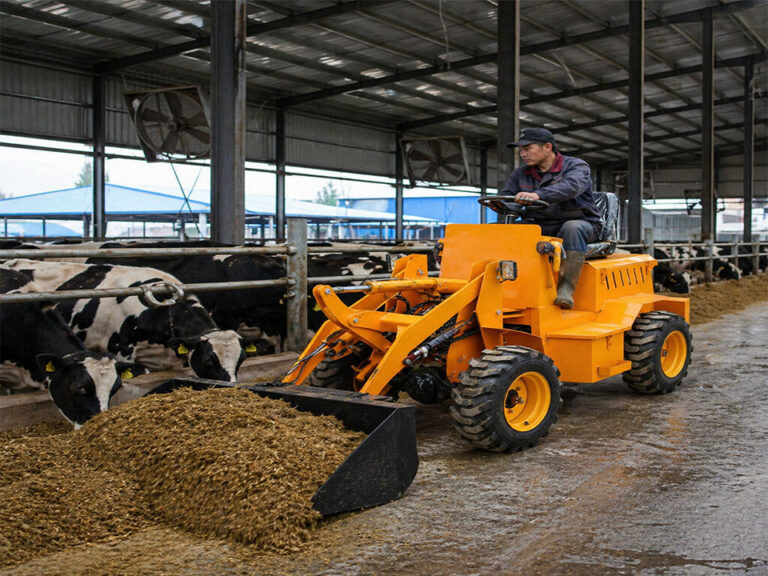
Reliable Mini Loader Manufacturer for OEM & Wholesale Equipment Buyers
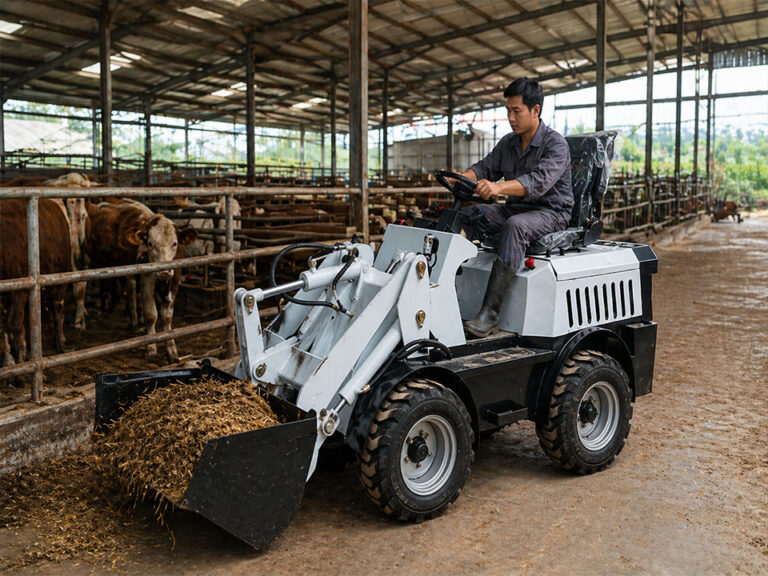
A trusted industrial equipment manufacturer helps B2B buyers source reliable machinery for construction, material handling, agriculture, landscaping, mining, and environmental applications. Since 2019, we have manufactured mini loaders, freight elevators, lift platforms, and lawn mowers for customers across Western countries, Japan, South Korea, Central Asia, Russia, and other markets.
Longyao County Yuhong Machinery Manufacturing Co., Ltd.
Since 2019
North of Xiaozhuangdong Village, Weijiazhuang Town, Longyao County, Xingtai City, Hebei Province, China
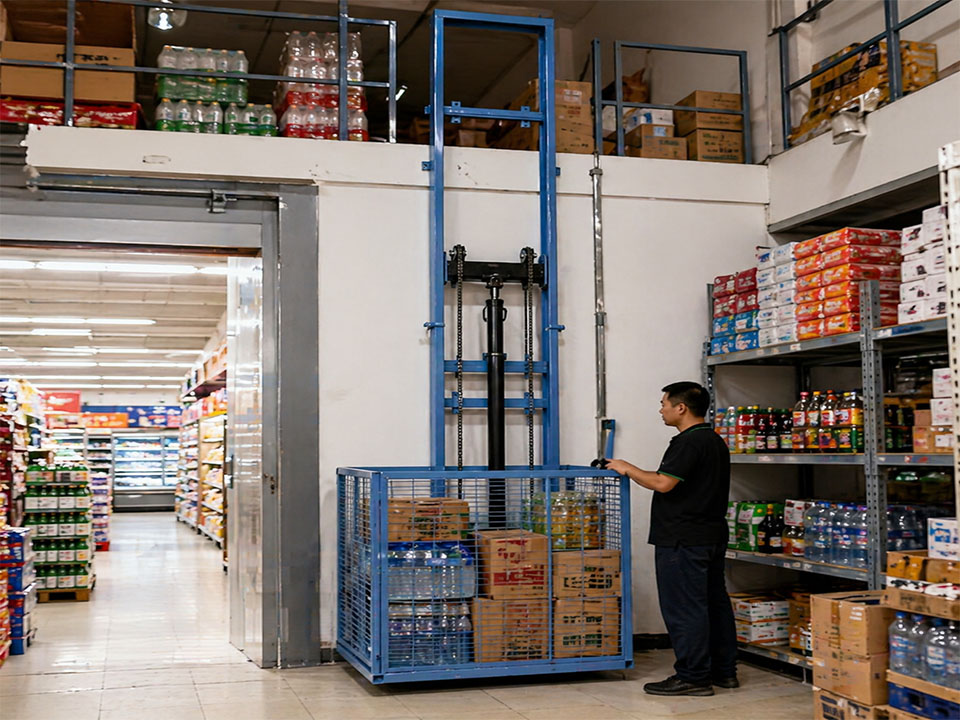
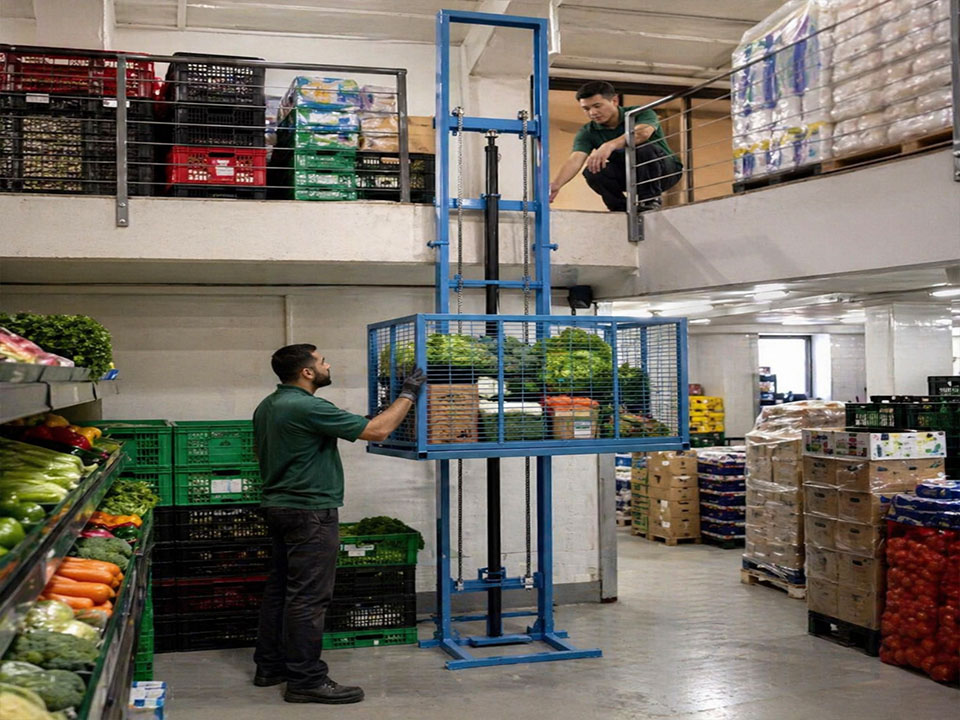
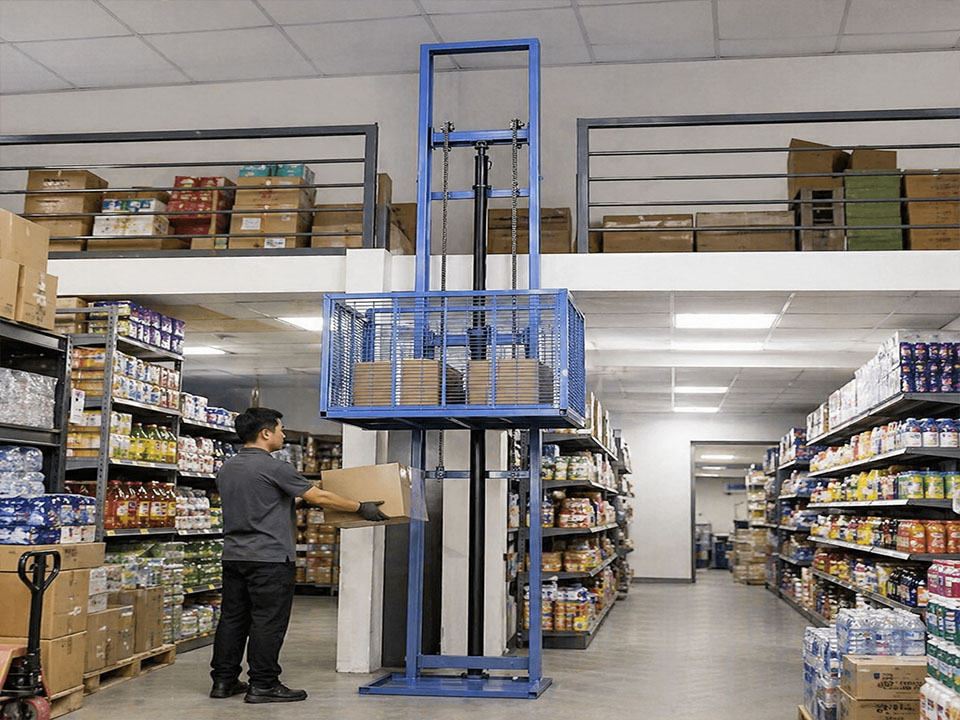
B2B Hydraulic Freight Elevator Service Guide: Plan Service Windows
This guide shows B2B buyers how to build a freight elevator service schedule around real production risk, not vague maintenance promises. We map hydraulic freight elevator maintenance windows, parts planning, inspection timing, and contractor accountability.
A Hydraulic Freight Elevator does not usually fail because one dramatic part suddenly “betrays” the warehouse; it fails because oil seepage, door drag, valve hesitation, controller heat, weak housekeeping, operator abuse, and sloppy scheduling quietly stack up until the factory discovers the lift is now the bottleneck. So who owns that failure?
I’ll say the unpopular thing first: most B2B buyers don’t have a freight elevator maintenance problem. They have a planning problem wearing a maintenance hat.
A factory manager will negotiate hard on the purchase price, then allow service visits to float around like weather. A warehouse supervisor will complain about emergency calls, but never protect a two-hour service window on the production board. A contractor will promise “regular maintenance,” which sounds fine until you ask one blunt question: regular according to what?
For a hydraulic freight elevator, vague service is expensive. Hydraulic systems punish neglect slowly, then all at once. Low oil level, dirty pits, leaking cylinder packing, loose controller terminals, tired door gibs, worn seals, and blocked cooling fans don’t care about your shipping deadline. They care about physics, heat, friction, and pressure.
And pressure wins.
The smarter B2B move is to treat the freight elevator service guide as a business continuity document. Not a checklist buried in a drawer. Not a PDF nobody reads. A real service-window plan tied to production flow, spare parts, operator habits, and inspection exposure.
Table of Contents
Why Service Windows Matter More Than “Fast Repair”
But here’s the ugly truth: fast repair is often just slow planning with a higher invoice.
In industrial sites, the lift rarely works alone. It connects receiving, staging, mezzanine storage, packaging, spare parts, and sometimes finished-goods dispatch. When a hydraulic freight elevator stalls, the delay spreads sideways. Forklift routes get improvised. Workers carry loads they should not carry. Supervisors start making “temporary” decisions that look clever for 20 minutes and reckless after an incident report.
Government procurement specs for hydraulic elevators show why planning beats improvisation. New York State’s preventive maintenance specification lists monthly work such as inspecting hoisting machinery, piping, valves, controllers, doors, hydraulic power units, oil levels, drip pans, cylinder head packing, seals, and starter contacts. It also references six-month inspection and annual testing expectations under ASME A17.1-style practice. That is not casual maintenance. That is scheduled asset control.
So when someone says, “We’ll call the technician when it acts up,” I hear: “We prefer production gambling.”
The B2B Buyer’s Real Risk: Downtime, Liability, and Hidden Labor
A hydraulic freight elevator has three cost layers.
The first cost is visible: service labor, replacement seals, valve work, oil, electrical repair, door hardware, call-out fees.
The second cost is uglier: idle workers, missed loading slots, rescheduled trucks, overtime, damaged goods, temporary manual handling, and angry customers.
The third cost is the one buyers hate discussing: liability. OSHA’s accident-search database includes multiple elevator-related fatal incidents recorded in 2023 and 2024, including falls into elevator shafts, workers found dead on elevator cab roofs, and crushing incidents around elevator equipment. Not every case is a freight elevator service failure, obviously. But the pattern is loud enough: elevators are not “background equipment.” They are controlled-risk machines.
I’ve seen managers obsess over a forklift’s daily check sheet while letting the cargo lift run with a dirty pit, fuzzy leveling, and a door that sounds like it’s chewing gravel. Makes no sense. The lift may move fewer times per day than a forklift, but when it fails, it blocks vertical movement completely.
A buyer who already thinks in fleet terms understands this. The same discipline used for outdoor equipment, such as a remote control tracked lawn mower for slopes and rough terrain, should apply indoors: environment, duty cycle, operator behavior, inspection records, and service timing all shape reliability.
Build the Freight Elevator Service Schedule Around Production Peaks
Don’t start with the technician’s calendar. Start with your factory rhythm.
When are goods moving hardest? Monday receiving? Friday dispatch? End-of-month inventory transfer? Seasonal export rush? Night-shift replenishment?
A planned elevator maintenance window should be placed where the production pain is lowest and diagnostic value is highest. That sounds simple. It isn’t.
For most warehouses and factories, I prefer a three-layer model:
Cylinder seals, power unit, controller heat issues, door modernization, guide wear
Shutdown, holiday, or inventory freeze
Old lifts need budget before they need rescue
This table is not a legal code. It is a buyer’s control map.
If your hydraulic freight elevator carries pallets, machine parts, cartons, or raw material between floors, daily checks should be stupidly simple. Door closes cleanly. Platform levels properly. No oil puddles. No strange pump whine. No jerky lift movement. Emergency stop works. Rated load plate visible. Landing area clear.
Yes, boring.
Boring saves money.
The Hydraulic System: Where Small Leaks Become Big Arguments
Hydraulic freight elevator maintenance is mostly about stopping small technical sins from becoming operational fights.
Oil level matters. Oil temperature matters. Seal condition matters. Hose routing matters. Valve response matters. Controller ventilation matters. Pit debris matters more than people admit.
When a cylinder head packing starts weeping, the first argument is usually not technical. It is political. Production says, “It still works.” Maintenance says, “It needs service.” Purchasing says, “Can we wait?” The technician says, “You can, but don’t blame me.”
I frankly believe this is where B2B buyers should become more aggressive. A service contract should state exactly what triggers repair recommendations: visible seepage, abnormal leveling drift, slow door cycle, repeated reset, controller overheating evidence, worn door gib, damaged landing switch, contaminated hydraulic oil, or recurring operator complaint.
Not vibes. Triggers.
Hydraulic lifts don’t like dirty environments. Cement dust, carton dust, grain dust, metal filings, humidity, and oil mist all speed up wear. That is why service windows should change by site condition. A clean warehouse may survive monthly technical checks. A dusty factory mezzanine moving heavy components may need tighter intervals.
And if your company sells or operates mixed industrial equipment, keep maintenance thinking consistent across the fleet. The usage-based logic behind a heavy-duty remote control tracked flail mower for slopes is not very different from a freight elevator: rougher environment, higher load, more vibration, more inspection pressure.
Door Problems Are Not “Small Problems”
Here’s another hard truth: freight elevator doors are where many service programs lie to themselves.
A pump can sound strong while the door system is already degrading. Workers notice it first. The door bounces. The landing door drags. The interlock gets fussy. The car stops slightly off level. Someone kicks the sill clean with a boot. Someone else overrides a habit instead of reporting a defect.
That’s how bad culture grows.
A proper industrial freight elevator service schedule should separate hydraulic checks from door and landing checks. Door hardware, sill cleanliness, hanger rollers, gibs, interlocks, bumpers, pushbuttons, indicator lamps, and reopening devices deserve their own attention. The New York hydraulic elevator maintenance spec specifically calls out door operation, door speed, door closing force, tracks, hangers, gibs, and sill cleaning in monthly work.
For a B2B buyer, this matters because door faults create downtime that looks “electrical” or “operator-related” until the technician opens the system and finds mechanical neglect.
So write door behavior into the service log.
Not “checked doors.”
Write: “landing 2 door slow to close; sill cleaned; gib clearance checked; operator belt inspected; retest passed.”
That sentence has power during audits.
How to Plan Hydraulic Freight Elevator Service Windows
Start with a load map. Not a fancy one. Just write down what moves, when it moves, how often it moves, and what happens if the lift stops for two hours.
Then classify service windows into three types.
Planned micro-window: 20–45 minutes for visual checks, housekeeping, operator complaint review, door cleaning, controller cooling check, oil spotting review.
Technical PM window: 1–3 hours for hydraulic inspection, electrical cabinet checks, door adjustment, pit cleaning, lubrication, minor replacements, test runs, report writing.
Protected inspection window: half-day or full-day block for inspector coordination, formal tests, access control, load-related preparation, and repair crew standby if defects appear.
The trick is not the schedule. The trick is enforcing it.
A warehouse that protects 90 minutes every month will usually beat a warehouse that begs for emergency repair every quarter. Emergency service has travel delay, diagnostic delay, parts delay, and production delay. Planned service compresses all four.
For heavier-duty buyers, I’d also connect spare-parts planning to service windows. If the contractor needs 24–72 hours to source door rollers, starter contacts, seals, lamps, fuses, or controller boards, then the service guide should say so. The same practical logic applies when comparing equipment duty cycles, whether it is an indoor lift or an outdoor remote control 4WD lawn mower with gas engine power: uptime depends on parts availability before failure, not after panic.
What Your Service Contract Should Actually Say
Most weak service contracts hide behind soft words: regular, periodic, routine, standard, as needed.
I don’t like those words.
A B2B hydraulic freight elevator service guide should translate them into measurable obligations:
Contract Item
Weak Wording
Better B2B Wording
Visit frequency
Regular maintenance
Minimum monthly technical PM, adjusted by cycle count and site condition
Response time
Prompt service
Emergency response within X hours; non-emergency repair quote within X business days
Records
Report provided
Digital service report with defects, photos, corrective action, parts used, and next due date
Safety testing
Annual check
Annual test window booked 30–60 days before due date with inspector coordination
Spare parts
Parts available
Defined critical spare list: fuses, lamps, door gibs, rollers, seals, starter contacts
Operator issues
User damage excluded
Operator misuse logged with photo evidence and retraining recommendation
Downtime planning
By arrangement
Service windows pre-approved quarterly and locked on production calendar
The phrase “industrial freight elevator service” should mean something more than a mechanic arriving with a rag and a clipboard.
Ask for photos. Ask for readings. Ask for repeat-defect tracking. Ask what was adjusted, not just what was seen.
The ANSI discussion of ASME A17.1/CSA B44 notes that the elevator safety code covers design, construction, installation, operation, testing, inspection, maintenance, alteration, and repair across equipment including material lifts. For buyers, the takeaway is simple: service planning sits inside a safety system, not outside it.
The Service Window Calendar I’d Use in a Factory
For a medium-use hydraulic freight elevator in a factory or warehouse, I would use this baseline:
Monday to Friday: operator pre-shift check, logged in under two minutes.
Every week: supervisor reviews complaints, oil marks, door behavior, leveling comments, and blocked landing photos.
Every month: technician performs hydraulic, door, controller, pit, lighting, alarm, leveling, and safety-device checks.
Every quarter: deeper review of buffers, interlocks, landing positioning, traveling cables, controller heat, guide condition, and recurring faults.
Every six months: formal inspection support where required, with defect report and corrective action owner.
Every year: annual testing, load-related preparation where required, condition review, spare-parts review, and budget forecast.
Every three to five years: modernization review for power unit, controller, door system, cylinder condition, and safety upgrades.
Would I use the same calendar for every site? No. That would be lazy.
A cold-storage warehouse, dusty feed plant, metal fabrication site, busy logistics mezzanine, and quiet parts room do not deserve the same schedule. Use starts the clock. Environment speeds it up.
Service Windows Should Include People, Not Just Machines
And here is where many guides get dishonest: operators create many maintenance signals before sensors do.
A worker hears the pump labor. A picker sees the platform stop low. A loader notices the door needs a hip shove. A supervisor sees oil film near the pit. If nobody captures those observations, the service company arrives half-blind.
So I’d build a 5-line operator report into the daily routine:
Operator Question
Acceptable Answer
Escalation Trigger
Did the platform level cleanly?
Yes
Any repeat misleveling
Did doors open and close smoothly?
Yes
Dragging, bouncing, slamming
Any oil, smell, smoke, or heat?
No
Any oil spot or burnt smell
Any unusual noise or vibration?
No
Pump whine, grinding, knocking
Any blocked landing or overload behavior?
No
Repeated obstruction or load abuse
Keep it short or people won’t do it.
The same applies when a buyer manages multiple machines, from lift platforms to slope equipment like an XT-800CB remote control track lawn mower for rough terrain. Operators are not just users. They are early-warning sensors with boots.
Planned Elevator Maintenance Is a Purchasing Discipline
Purchasing teams often ask the wrong question: “How much is service per visit?”
Ask instead:
How many visits prevent one emergency call?
How many defects are closed on the first visit?
Which parts are stocked locally?
What is the contractor’s average response time during peak season?
Does the report name the component, defect, action, and next step?
Will the technician coordinate inspection windows, or only show up after we schedule everything?
The BLS 2024 nonfatal occupational injury table shows private industry had 2.3 total recordable cases per 100 full-time workers, while goods-producing industries were at 2.5 and natural resources/mining at 2.8. That does not isolate freight elevators, but it reminds buyers that industrial environments carry measurable injury exposure before a single lift failure is added to the mix.
This is why service-window planning belongs in procurement. Not just maintenance.
A cheaper contract with vague scope is often a deferred bill. You may not pay it in month one. You may pay it on the day the lift stops between floors with a pallet of parts needed for production.
FAQ
What is a Hydraulic Freight Elevator service window?
A Hydraulic Freight Elevator service window is a planned block of downtime reserved for inspection, preventive maintenance, testing, adjustment, cleaning, and repair coordination so the lift can be serviced without disrupting receiving, production, storage transfer, dispatch, or factory safety routines. It turns maintenance from a surprise event into a controlled operating process.
In B2B sites, I usually split service windows into micro-checks, monthly technical PM, and protected annual inspection blocks. The exact timing depends on load frequency, operating environment, local inspection rules, and how costly downtime becomes during peak movement.
How often should hydraulic freight elevator maintenance be scheduled?
Hydraulic freight elevator maintenance should usually include daily operator checks, monthly technical preventive maintenance, quarterly deeper component reviews, semi-annual inspection support where required, and annual testing or condition review based on jurisdiction, manufacturer guidance, duty cycle, and site risk. High-use or dirty environments should shorten those intervals.
A quiet warehouse lift and a factory lift moving heavy parts all day are not the same asset. Dust, moisture, heat, chemical exposure, overload habits, and door abuse can make a “monthly” plan too weak.
What should be included in a freight elevator service guide?
A freight elevator service guide should include inspection frequency, hydraulic checks, door and interlock checks, controller checks, pit housekeeping, oil and leak review, leveling tests, operator reporting, spare-parts planning, emergency response rules, documentation standards, and annual inspection preparation. It should define who acts, when they act, and what evidence proves completion.
The best guides are boring in the right way. They name parts. They define triggers. They force photos and service notes. They stop the contractor, operator, and buyer from hiding behind vague maintenance language.
How can B2B buyers reduce emergency calls for industrial freight elevator service?
B2B buyers can reduce emergency calls for industrial freight elevator service by protecting monthly maintenance windows, logging operator symptoms daily, fixing small hydraulic and door defects early, keeping common spare parts available, and forcing service contractors to track repeat faults instead of treating each call as isolated. Planning removes panic from the system.
I’d focus first on door behavior, oil leakage, leveling accuracy, controller heat, and operator misuse. Those five areas create a lot of “sudden” failures that were not sudden at all.
What is the biggest mistake in planned elevator maintenance?
The biggest mistake in planned elevator maintenance is treating the service visit as a calendar item instead of a production-risk control point tied to load movement, inspection exposure, spare parts, defect history, and operator behavior. A visit without useful findings, photos, repairs, and next actions is just theater.
If your service report says only “checked and OK” every month, push back. Ask what was inspected, what was cleaned, what was adjusted, what is wearing, and what should be budgeted next.
How do you plan hydraulic freight elevator service windows for factories?
You plan hydraulic freight elevator service windows for factories by mapping production peaks, identifying low-throughput periods, reserving monthly technical downtime, booking inspection windows far ahead, preparing spare parts, assigning internal owners, and linking every service visit to a written defect-and-action log. The goal is predictable uptime, not perfect paperwork.
Start with receiving and dispatch schedules. Then protect maintenance time like a customer order. Because in a factory, vertical movement is not a convenience. It is part of the production chain.
CTA
If you are buying or managing a Hydraulic Freight Elevator, don’t ask only for a machine. Ask for the service rhythm behind the machine: monthly PM scope, spare-parts logic, inspection support, operator check sheet, and emergency response rules.
We build for buyers who care about uptime, not brochure language. Plan the service window now, while the lift is still running. That’s cheaper than learning discipline during a breakdown.
Contact our equipment manufacturer to discuss mini loaders, freight elevators, lift platforms, and lawn mowers for construction, logistics, agriculture, landscaping, mining, and municipal projects. Founded in 2019, we support global B2B buyers with RFQ review, WhatsApp or email communication, sales team guidance, customization, and export-ready machinery solutions.
Company
About
Solutions
Applications
Electric Freight Elevator
Contact
Products
Mini Loader
Freight Elevator
Lift Platform
Lawn Mower
Electric Mini Loader
Contact
+86 151 0096 5355
North of Xiaozhuangdong Village, Weijiazhuang Town, Longyao County, Xingtai City, Hebei Province, China