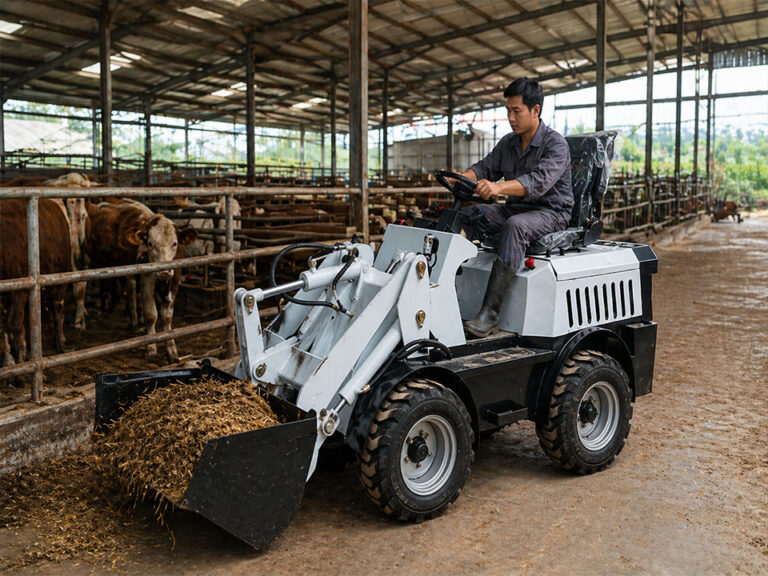
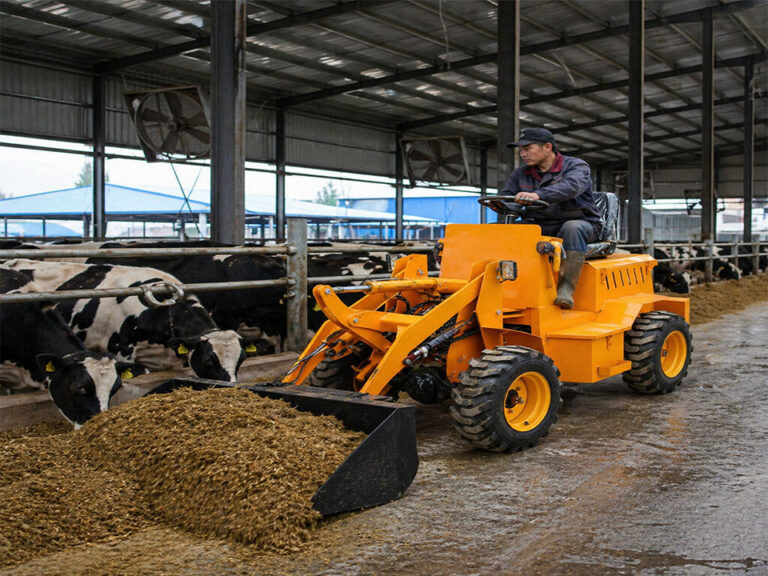
Reliable Mini Loader Manufacturer for OEM & Wholesale Equipment Buyers
A trusted industrial equipment manufacturer helps B2B buyers source reliable machinery for construction, material handling, agriculture, landscaping, mining, and environmental applications. Since 2019, we have manufactured mini loaders, freight elevators, lift platforms, and lawn mowers for customers across Western countries, Japan, South Korea, Central Asia, Russia, and other markets.
Longyao County Yuhong Machinery Manufacturing Co., Ltd.
Since 2019
North of Xiaozhuangdong Village, Weijiazhuang Town, Longyao County, Xingtai City, Hebei Province, China
Freight Elevator Downtime Reduction Plan for Port Operators in 2026
Port freight elevators fail quietly first, then publicly at the worst possible hour. This guide gives operators a practical 2026 downtime reduction plan built around maintenance windows, parts control, lift data, and dockside reality.
I’ve seen port teams spend six figures on crane automation, yard software, gate upgrades, and glossy safety dashboards—then lose a full shift because one freight elevator, serving a mezzanine parts room or bonded cargo handling zone, had a worn door interlock nobody wanted to replace during a busy week. What does that say about the real maintenance culture?
Here’s the ugly truth: most freight elevator downtime in ports is not “sudden.” It is ignored. The lift groans, the door drags, the hydraulic oil darkens, the call button starts acting lazy, and someone says, “We’ll fix it after vessel departure.” Then the vessel departs late.
In 2026, a serious Freight Elevator Downtime Reduction plan has to treat the cargo lift as part of port flow, not as a building accessory. A freight elevator at a port does not behave like one in a clean warehouse. Salt air attacks contacts. Vibration loosens fasteners. Dust cakes into tracks. Forklift traffic abuses thresholds. Shift handovers bury complaints. And when weather hits, the small weak points turn nasty fast.
Reuters reported in September 2024 that several Port of Los Angeles terminals closed after a lithium battery truck fire disrupted access and operations; full cargo operations resumed only after the trailer was safely relocated. That was not an elevator case, but the lesson is brutal: port disruption spreads through connected systems, not isolated assets.
Table of Contents
Why Port Freight Elevators Fail Differently From Warehouse Lifts
A warehouse manager usually thinks in pallets per hour. A port operator thinks in vessel windows, gate cutoffs, customs holds, labor gangs, weather stoppage, and berth pressure. That makes port freight elevator maintenance less forgiving.
A cargo elevator may serve spare parts storage, marine stores, inspection areas, chilled cargo support rooms, workshop mezzanines, or terminal office logistics. It may not look as glamorous as an STS crane. Fine. But when it stops, the mess lands on labor scheduling, cargo staging, and emergency maintenance.
The U.S. Bureau of Transportation Statistics describes port performance measurement around capacity and throughput for seaports, which is exactly why small internal handling assets matter: throughput is not only berth depth and crane count; it is the chain of equipment that keeps work moving inside the terminal.
So the first rule is simple: don’t manage freight elevators as “facility equipment.” Manage them as port terminal equipment.
The 2026 Downtime Formula I Would Use
For port operators, I’d measure downtime reduction with four numbers:
Downtime Control Area
What to Track Weekly
Failure Signal
2026 Target
Door system health
Door close time, reopening events, damaged sill reports
Bent gates, threshold cracks, repeated overload trips
50% fewer misuse incidents
Parts readiness
Interlocks, seals, buttons, relays, hoses in stock
Waiting for imported parts
Same-day repair for common faults
That table is not pretty. Good. Pretty maintenance plans usually die in the first storm.
Build a Freight Elevator Maintenance Plan Around Vessel Pressure
A normal freight elevator maintenance plan says: monthly inspection, quarterly service, annual test.
That’s not enough for a port.
I would divide the plan into three layers. First, pre-peak checks before known cargo surges. Second, condition-based repairs when the lift starts showing weak behavior. Third, hard shutdown windows during lower berth pressure, not whenever a technician happens to be free.
Port teams already understand tides, berths, vessel calls, customs pressure, and labor costs. So why do many still schedule cargo elevator work like a shopping mall property manager?
For port freight elevator maintenance, I’d tie the service window to cargo rhythm:
Port Operating Phase
Elevator Maintenance Action
Owner
Downtime Risk
72 hours before vessel peak
Door track cleaning, controller fault review, oil level check
Maintenance lead
Low
24 hours before heavy cargo movement
Trial run under load, alarm test, operator briefing
This is where I have a strong opinion: calendar-only preventive maintenance is lazy when the operating environment is harsh. It’s better than nothing, sure. But port terminal equipment maintenance needs condition signals, not just dates on a wall.
Stop Treating Door Faults Like Small Problems
Door faults are boring until they stop cargo.
The door system is usually the first place I’d hunt. Not the pump. Not the motor. Not some dramatic “major failure.” In dirty, salty, forklift-heavy environments, doors and gates take the beating: bent panels, grit in tracks, damaged rollers, bad interlocks, lazy sensors, loose wiring, and impact scars from rushed loading.
A port freight elevator maintenance checklist should include:
Door close timing under normal and loaded conditions
Sill and track cleaning after dusty cargo movement
Gate alignment checks after any forklift contact
Interlock function testing every shift during peak cargo periods
Photo record of damage, because “it was already like that” is the oldest excuse in the yard
And yes, I’d connect this to yard housekeeping. If the terminal’s outdoor working zones are neglected, mud, debris, and vegetation creep into the places where equipment sits and workers stage goods. For perimeter and rough-terrain upkeep, a 4WD automatic remote control lawn mower robot can support cleaner access routes around storage yards, inspection lanes, and maintenance paths without sending people into awkward ground conditions.
Hydraulic Freight Elevators Need Oil Discipline, Not Guesswork
Hydraulic freight elevators are honest machines. They warn you. Slowly.
Oil temperature rises. Leveling gets sloppy. The platform creeps. The pump sounds rough. Seals begin to sweat. A technician wipes the leak, writes nothing down, and moves on.
Bad habit.
For cargo elevator downtime reduction, hydraulic oil should be treated like a production input. Record viscosity class, oil age, leak points, filter condition, and operating temperature. If the port handles corrosive cargo, dusty bulk material, frozen goods, or chemicals, increase inspection frequency. No debate.
The Bureau of Labor Statistics notes that elevator and escalator installers and repairers are projected to grow 5% from 2024 to 2034, with about 2,000 openings per year on average, which tells me skilled labor access will stay competitive rather than easy. If your freight elevator plan depends on finding a technician after something fails, you are already late.
So stock the ugly parts: hose fittings, seals, control relays, limit switches, push buttons, interlocks, fuses, oil filters, and warning labels. Nobody gets applause for having a spare door roller. They just avoid a night-shift disaster.
Weather Is a Maintenance Variable, Not an Excuse
Ports love blaming weather. Sometimes it is fair.
Reuters reported in July 2024 that South Africa’s Transnet suspended some port operations due to strong winds and waves, adding pressure to backlog-clearing efforts. That kind of event should make every operator ask: after bad weather, which freight elevators need immediate inspection before restart?
Salt spray and wind-driven rain don’t care about your service schedule. Moisture gets into panels. Sand and grit sit in door tracks. Outdoor mezzanine lifts get punished. Power quality shifts. Dock vibration loosens parts. If a lift serves coastal cargo zones, storm recovery checks should be mandatory.
For winter or mixed-weather yards, a remote control tracked lawn mower with snow blade can be positioned in a broader site-readiness strategy, especially where small access paths, service roads, or maintenance approaches need clearing before mechanics reach equipment safely.
Use a Two-Speed Preventive Maintenance System
One speed is too blunt.
I’d use “green lane” and “red lane” scheduling. Green lane elevators are low-use, indoor, protected, stable. Red lane elevators are exposed, overloaded, mission-sensitive, or tied to vessel work.
Maintenance Item
Green Lane Lift
Red Lane Port Lift
Operator visual check
Daily
Every shift
Door/gate function test
Weekly
Daily
Hydraulic leak check
Weekly
Every shift during peak
Load test review
Quarterly
Monthly or after abuse event
Electrical cabinet moisture check
Monthly
Weekly
Spare parts review
Monthly
Weekly
Service contractor inspection
Quarterly
Monthly
This is not over-maintenance. It’s triage.
A port operator who treats all freight elevators the same is basically admitting they don’t understand their own risk map.
Operator Behavior Causes More Downtime Than Managers Admit
Let’s not pretend every failure is mechanical.
Overloading. Side loading. Forklift bumps. Holding the door with cargo. Ignoring alarms. Using the lift as temporary storage. Washing nearby floors and soaking sensors. These are not rare events; they’re Tuesday.
OSHA reported 34,696 federal inspections in FY 2024 and 5,283 fatal work injuries in 2023, which is a reminder that workplace safety enforcement and injury exposure remain very real in heavy operating environments. Freight elevator downtime reduction cannot be separated from operator discipline.
I would put three rules on the lift, in plain language:
Bad Practice
Real Result
Control Measure
Loading above rated capacity
Pump strain, leveling error, brake wear
Visible load limit plus random audit
Forklift impact on threshold
Door misalignment, sill damage
Painted stop line and bumper protection
Holding doors open manually
Interlock damage
Alarm plus supervisor follow-up
Wet cleaning near controls
Electrical faults
Protected cabinet and cleaning rule
No defect reporting
Repeat shutdowns
QR fault form and shift handover review
And I’d stop blaming workers only. If the fastest way to move cargo requires abusing the elevator, the process is broken.
Put Maintenance Data Where Supervisors Can Actually See It
The best freight elevator preventive maintenance program is not the thickest binder. It is the one supervisors use at 2:00 a.m.
Use a simple dashboard:
Lift ID
Location
Rated load
Last fault
Repeat fault count
Open defects
Parts waiting
Next service window
Shutdown risk: green, yellow, red
Owner name, not department name
Names matter. A department never fixes anything. A person does.
I’d also use a failure code system: DOR for door, HYD for hydraulic, ELE for electrical, MIS for misuse, STR for structural, ENV for weather or salt exposure. After 90 days, patterns appear. After 180 days, excuses disappear.
Don’t Ignore the Yard Around the Lift
This sounds sideways, but stay with me.
Many elevator stoppages begin outside the shaft: blocked access, bad drainage, debris, poor lighting, mud around the loading zone, overgrown edges around service paths, and rough ground that makes mechanics waste time before they even open the cabinet.
Is that directly an elevator component? No. But downtime is rarely one component. It is the whole operating area failing to support maintenance.
The 2026 Port Operator Action Plan
If I were walking into a terminal tomorrow, I’d do this in 30 days.
Week 1: Map the Lift Risk
List every freight elevator and cargo lift. Record location, rated load, age, service vendor, spare parts status, and cargo role. Mark red lane units. Don’t make this academic. If a lift failure can delay vessel work, customs movement, marine stores, repair parts, or shift productivity, it is red lane.
Week 2: Attack Repeat Faults
Pull the past 12 months of work orders. If records are poor, interview supervisors. Ask the blunt question: “Which lift makes people nervous?” That answer is usually better than the spreadsheet.
Week 3: Build Spare Parts Kits
Create one standard spare kit per elevator family. Include door rollers, interlocks, buttons, seals, common relays, fuses, sensors, hydraulic fittings, warning stickers, and lockout tags. Put the kit near the asset, not in a mystery storeroom across the terminal.
Week 4: Lock Service Windows Into Operations
Maintenance windows should be agreed with operations before the month starts. Not begged for after a fault. Not squeezed between trucks. Not canceled because nobody wants a hard conversation.
For rough outer-yard areas where maintenance routes cross grass, gravel, or uneven sections, a 4WD remote control lawn mower for rough terrain use can be part of the broader port site readiness plan, especially when remote operation reduces worker exposure in awkward access zones.
Freight Elevator Downtime Reduction Checklist for Port Operators
Checklist Area
Daily
Weekly
Monthly
After Storm/Impact
Door/gate movement
Yes
Yes
Yes
Yes
Interlock test
Yes
Yes
Yes
Yes
Threshold damage
Yes
Yes
Yes
Yes
Hydraulic leak check
Yes
Yes
Yes
Yes
Oil condition record
No
Yes
Yes
Yes
Controller fault log
No
Yes
Yes
Yes
Load signage check
Yes
Yes
Yes
Yes
Operator misuse report
Yes
Yes
Yes
Yes
Spare parts count
No
Yes
Yes
No
Vendor service review
No
No
Yes
If fault appears
What I Would Not Do
I would not buy software first. I would not accept “maintenance is handled by the contractor” as a complete answer. I would not wait for annual inspection to discover door abuse. I would not let supervisors cancel service windows during peak season without signing the risk note.
And I absolutely would not measure success by repair cost alone. Cheap maintenance can be very expensive when a vessel window slips.
FAQs
What is freight elevator downtime reduction for port operators?
Freight elevator downtime reduction for port operators is a structured maintenance and operations plan that lowers unplanned cargo lift stoppages by controlling door faults, hydraulic wear, electrical failures, operator misuse, spare parts delays, and weather-related damage before they interrupt terminal cargo movement. In practice, it means treating the lift as port flow equipment, not a forgotten facility asset.
How can port operators reduce freight elevator downtime in 2026?
Port operators can reduce freight elevator downtime in 2026 by ranking lifts by operational risk, scheduling service around vessel windows, tracking repeat faults, stocking common spare parts, training operators on loading abuse, and adding storm-restart inspections after harsh weather. The plan should be reviewed weekly because port conditions change faster than normal warehouse schedules.
What should be included in a port freight elevator maintenance plan?
A port freight elevator maintenance plan should include daily operator checks, door and interlock testing, hydraulic leak inspection, controller fault review, load-limit enforcement, spare parts control, service window planning, storm recovery checks, and monthly failure analysis. The strongest plans assign owners by name so defects do not disappear between shifts.
Why do cargo elevators fail more often in port terminals?
Cargo elevators fail more often in port terminals because salt air, vibration, forklift impact, dust, moisture, heavy load cycles, rushed shift work, and poor loading habits attack the door, hydraulic, and electrical systems faster than in cleaner indoor warehouses. The lift may look simple, but the operating environment is rough and unforgiving.
Is preventive maintenance enough for freight elevator downtime reduction?
Preventive maintenance is necessary but not enough for freight elevator downtime reduction because calendar-based service can miss fast-developing problems caused by impact, overload, moisture, salt exposure, and cargo surges. Port operators should combine scheduled service with condition checks, fault-code tracking, operator reporting, and service windows tied to terminal activity.
What is the best KPI for cargo elevator downtime reduction?
The best KPI for cargo elevator downtime reduction is unplanned lift outage hours per 1,000 operating hours, combined with repeat fault count and mean time to repair. One number alone can hide the problem, so operators should track downtime duration, fault type, repair delay reason, and whether spare parts were available.
CTA
If your port freight elevator still gets attention only after it fails, 2026 is the year to change that. Build the risk map, protect the service windows, stock the parts, train the operators, and treat every cargo lift as a small but serious part of terminal throughput.
Contact our equipment manufacturer to discuss mini loaders, freight elevators, lift platforms, and lawn mowers for construction, logistics, agriculture, landscaping, mining, and municipal projects. Founded in 2019, we support global B2B buyers with RFQ review, WhatsApp or email communication, sales team guidance, customization, and export-ready machinery solutions.
Company
About
Solutions
Applications
Electric Freight Elevator
Contact
Products
Mini Loader
Freight Elevator
Lift Platform
Lawn Mower
Electric Mini Loader
Contact
+86 151 0096 5355
North of Xiaozhuangdong Village, Weijiazhuang Town, Longyao County, Xingtai City, Hebei Province, China