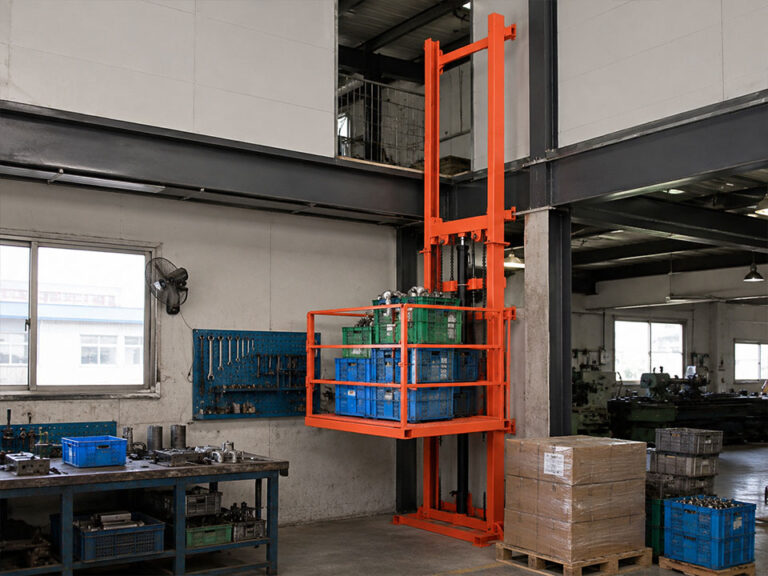
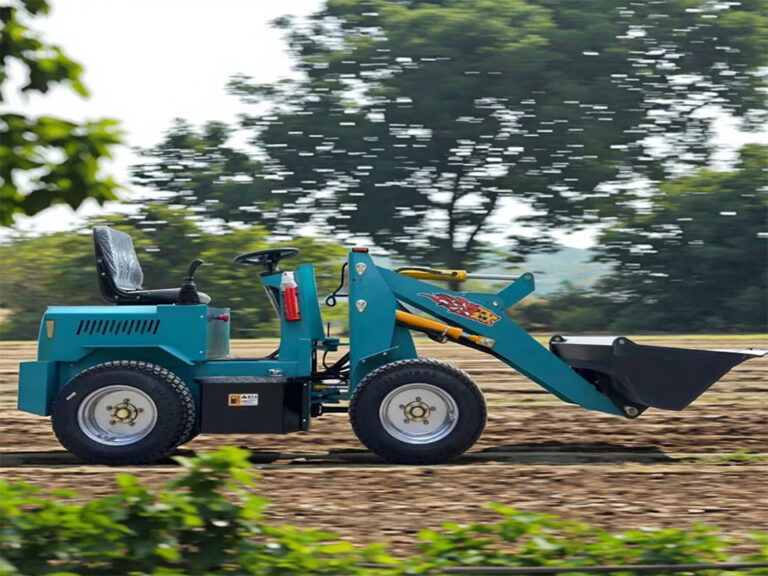
Reliable Mini Loader Manufacturer for OEM & Wholesale Equipment Buyers
A trusted industrial equipment manufacturer helps B2B buyers source reliable machinery for construction, material handling, agriculture, landscaping, mining, and environmental applications. Since 2019, we have manufactured mini loaders, freight elevators, lift platforms, and lawn mowers for customers across Western countries, Japan, South Korea, Central Asia, Russia, and other markets.
Longyao County Yuhong Machinery Manufacturing Co., Ltd.
Since 2019
North of Xiaozhuangdong Village, Weijiazhuang Town, Longyao County, Xingtai City, Hebei Province, China
Freight Elevator Preventive Maintenance: B2B Guide for Factories
This guide explains how factories should build a practical freight elevator preventive maintenance program instead of reacting to failures after production stops. It covers inspection rhythm, service-window planning, spare parts, safety controls, and buyer-side questions before choosing a cargo lift supplier.
Factories love production speed until the freight elevator stops between floors with a loaded pallet, a nervous operator, and a warehouse supervisor suddenly asking why “maintenance” looked fine on paper last month.
Maintenance gets political.
When a cargo elevator is shared by production, warehouse, QC, procurement, and outside contractors, every small inspection delay becomes a fight over downtime, and every ignored warning noise becomes someone else’s budget problem later. So who actually owns the risk?
Here’s the ugly truth: many factories don’t have a freight elevator preventive maintenance program. They have a repair habit. Big difference.
A real program is boring. It has dates, signatures, torque checks, chain tension notes, hydraulic oil records, limit switch tests, door interlock checks, spare-part reorder points, and one person who is allowed to say, “No, this lift is not running today.” I frankly believe that sentence saves more money than most fancy dashboards.
OSHA’s lockout/tagout rules cover servicing and maintenance where unexpected energization or stored energy release could injure workers, which matters directly when teams inspect powered cargo lifts, hydraulic platforms, gates, controls, and drive systems. The U.S. Bureau of Labor Statistics also reported 2.6 million nonfatal private-industry workplace injuries and illnesses in 2023, with 946,500 involving days away from work; that is not “paperwork noise,” that is lost labor, lost schedule, and insurance pressure.
Table of Contents
Why Freight Elevator Preventive Maintenance Is a Factory Cost Control Tool
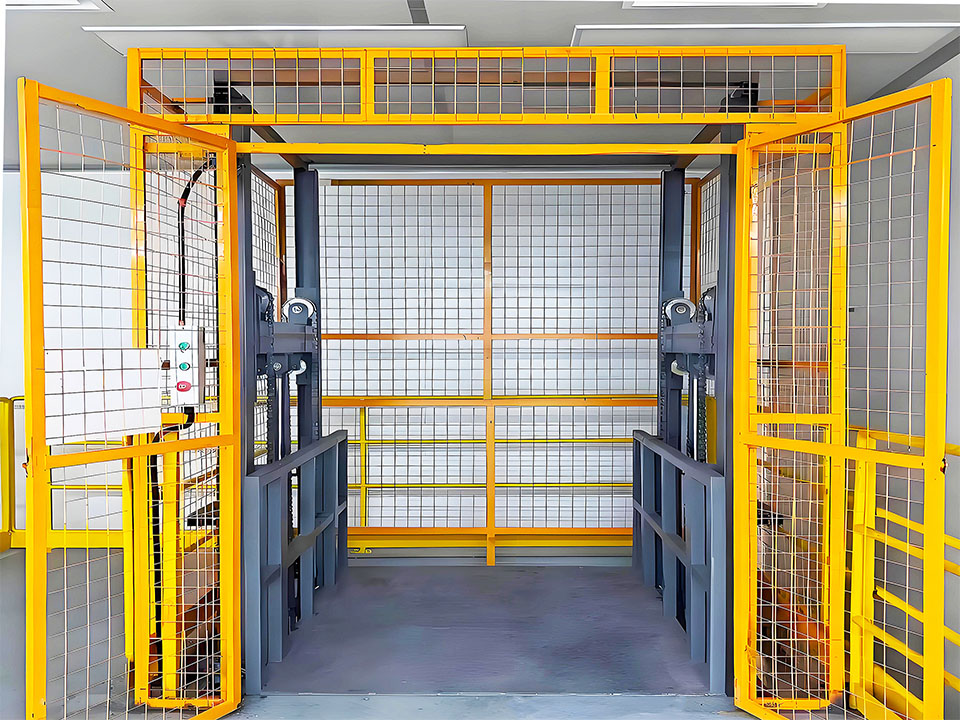
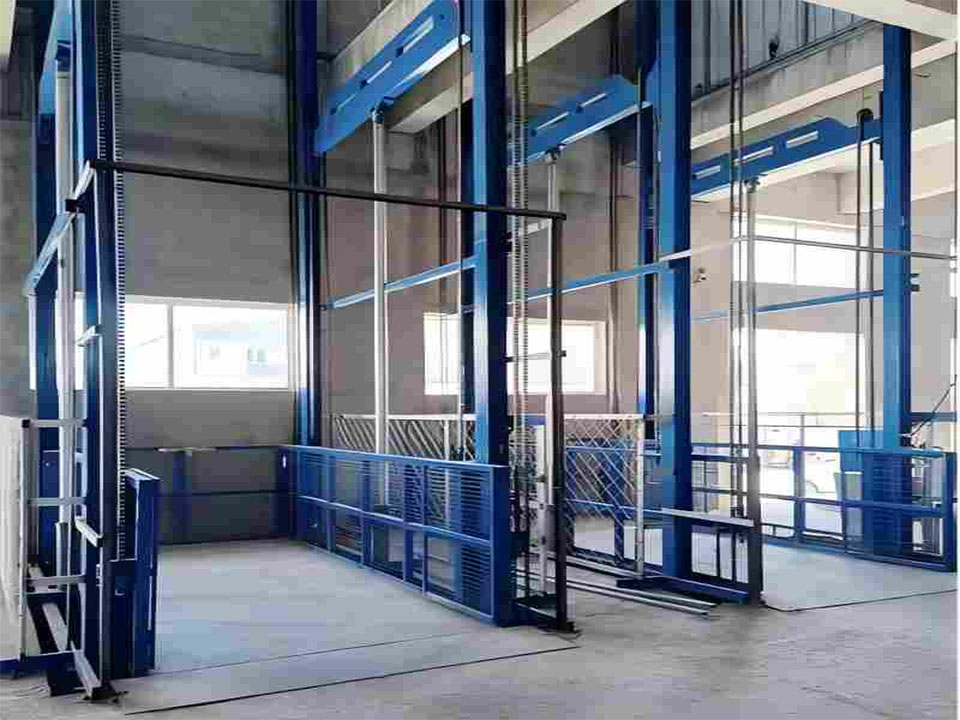
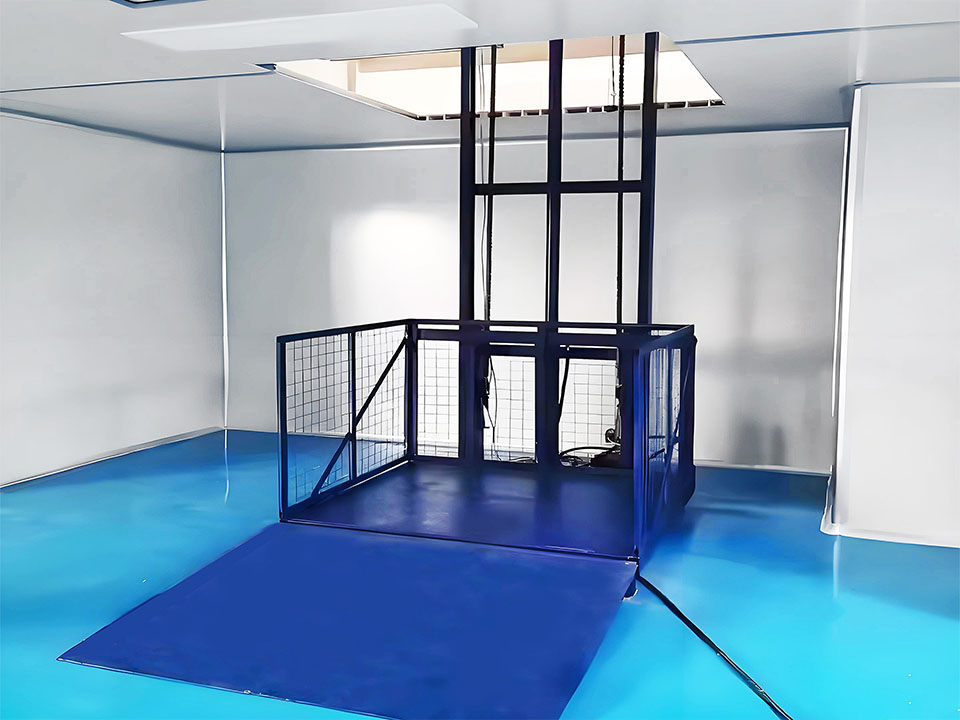
A freight elevator is not just a vertical transport machine. In a factory, it is a production artery.
If it stops, materials wait. Operators wait. Finished goods wait. Trucks wait. And the manager who “saved” money by skipping scheduled maintenance suddenly discovers the expensive version of downtime.
For B2B buyers, freight elevator preventive maintenance should be judged in four buckets:
Checklist, repair history, spare parts log, service windows
No traceability, poor warranty claims, repeated faults
Every service event
The table looks simple. It isn’t.
Because the weak point is rarely the checklist itself. The weak point is discipline. Someone hears pump noise but says, “Run it today.” Someone sees oil seepage but wipes it clean. Someone overloads the platform because the truck is waiting. Then the factory calls the supplier angry.
I’ve seen this pattern in equipment discussions again and again: buyers ask about motor power, lifting height, and price first, but they ask about maintenance only after the first serious stoppage. That is backwards.
The Real Maintenance Checklist Factory Teams Should Use
A freight elevator maintenance checklist should not be a decorative form hanging beside the control box. It should force a decision.
Run or stop.
Daily checks should be short enough for operators to complete before the first load. Five minutes. Maybe seven. Not thirty, because thirty-minute forms become fake forms.
A practical daily checklist should include:
Daily Item
Pass/Fail Standard
Action If Failed
Platform floor
No deformation, no loose plate, no major debris
Stop and clean or repair
Guardrails or gates
Fixed, aligned, no broken latch
Stop operation
Emergency stop
Press-test works, reset works
Stop and call maintenance
Up/down buttons
No sticking, no delayed response
Report and inspect
Door interlock
Lift does not move when gate is open
Stop immediately
Hydraulic leakage
No visible fresh oil near cylinder, hose, pump station
Tag for maintenance
Load placement
Goods centered, no side impact, no overload
Reload correctly
Warning signs
Visible: no standing, no overload, centered cargo
Replace labels
But the monthly checklist is different. It belongs to maintenance technicians, not warehouse operators.
Monthly industrial freight elevator maintenance should include guide rail alignment, chain or wire rope condition if applicable, anchor bolt tightness, hydraulic pressure behavior, oil contamination, cabinet dust, terminal looseness, limit switch repeatability, and landing-level accuracy under load.
Small details matter. A 10 mm landing mismatch may look harmless on Monday. By Friday, forklift wheels are hitting the platform edge, operators are forcing pallets, and the lift frame is taking shock loads it was never meant to absorb.
Service Windows: The Part Most Factories Get Wrong
Factories often plan maintenance like this: “Find a slow day.”
That is not a plan. That is hope wearing a uniform.
A factory freight elevator service plan should be tied to production rhythm, not technician availability alone. If inbound raw materials peak every Monday morning, don’t inspect the lift Monday at 9:00. If finished goods ship Friday afternoon, don’t schedule hydraulic oil work Friday at 2:00. Obvious? Apparently not.
Oil replacement, major parts, structural review, load testing support
High if poorly planned
The better factories link freight elevator preventive maintenance with the same logic used for forklifts, loaders, platforms, and mobile site machines. For mixed equipment yards, a compact tracked remote control loader for rough terrain still needs environment-based checks; the same mindset applies to cargo lifts operating in dusty, humid, cold, or high-cycle factory zones.
And yes, this matters for buying decisions. A supplier who cannot explain service windows before the sale may become very quiet after the warranty starts.
Hydraulic Systems: Cheap Oil Habits Become Expensive Repairs
Hydraulic freight elevators fail in boring ways first.
A little slower. A little noisier. A little warmer. A little stain under the hose fitting.
Then someone ignores it.
Hydraulic oil is not magic liquid. It carries force, heat, contamination, and bad decisions. In a cargo elevator preventive maintenance program, oil quality should be treated like a wear signal, not just a refill item. Dark oil, foaming, burnt smell, water contamination, or repeated top-ups all say something is wrong.
Common hydraulic checks include:
Component
Inspection Point
Warning Sign
Pump station
Noise, heat, vibration
Whining, overheating, unstable pressure
Cylinder
Seal area, surface condition
Oil film, jerky movement
Hose
Cracking, bulging, abrasion
Wet fitting, swelling, exposed reinforcement
Valve block
Response, leakage, temperature
Slow descent, sudden drop, pressure drift
Oil tank
Level, cleanliness, smell
Low level, milky oil, burnt odor
I don’t like “change oil once a year” as a blind rule. For low-use indoor factories, maybe. For dusty warehouses, cold rooms, food plants, chemical-adjacent workshops, or high-cycle loading docks, oil inspection should be more aggressive.
The same logic applies to outdoor machinery. A remote control tracked lawn mower brush cutter robot working in grass, mud, and slope conditions needs different service attention from a clean indoor lift. Environment always changes maintenance math.
Electrical Control Cabinets: The Silent Failure Zone
People stare at steel frames and hydraulic cylinders because those parts look mechanical and serious. But the electrical cabinet often causes the most annoying faults.
Loose terminals. Dust. Moisture. Aging contactors. Sensor drift. Damaged cable insulation. Bad grounding. A tired emergency stop button that “usually works.”
Usually is dangerous.
NFPA 70B shifted electrical maintenance from a recommended-practice mindset toward a standard-based maintenance approach in its 2023 edition, and that shift matters for factories trying to formalize inspection of electrical equipment rather than waiting for faults to expose weak points.
For freight elevator preventive maintenance, electrical checks should include emergency stop testing, control voltage stability, overload device function, terminal tightness, cabinet cleanliness, cable routing, grounding, and limit switch repeatability.
Here’s my hard opinion: if a factory has no photos of its electrical cabinet condition over time, it does not really have an electrical maintenance record. It has memory. Memory loses warranty arguments.
Parts Planning: Spare Parts Are Cheaper Before the Breakdown
Factories often stock the wrong parts.
They keep paint, random bolts, and old switches from a retired machine, but no matching seal kit, no compatible contactor, no limit switch, no hydraulic hose specification, no door interlock replacement, and no emergency stop unit that fits the actual control box.
That is how a $20 part becomes a 3-day shutdown.
A basic goods lift maintenance schedule should connect inspection results to parts stock:
Spare Part Category
Minimum Stock Logic
Why It Matters
Electrical buttons and emergency stop
1-2 sets per lift model
Fast replacement after operator damage
Limit switches
1-2 pieces
Prevents long downtime from small control faults
Door interlock parts
1 set per landing type
Safety-related, should not be bypassed
Hydraulic seals
Based on cylinder model
Reduces waiting time for leakage repairs
Hose assembly specs
Keep drawings and supplier data
Enables fast local fabrication if needed
Warning labels
Extra set on site
Keeps safety instructions visible
Fasteners and anchors
Matched size list
Avoids unsafe substitute hardware
This is where B2B buyers should pressure suppliers. Ask for a spare parts list before payment. Ask for part numbers. Ask which parts are standard and which are custom. Ask what ships fast and what takes 15-30 days.
Load Discipline: The Maintenance Issue Nobody Wants to Discuss
Overload is not an accident. Usually, it is a culture.
The label says 1 ton. The pallet looks close enough. The operator is in a hurry. The supervisor wants the truck loaded. The lift moves once, so everyone thinks it is fine.
It is not fine.
Overload damages cylinders, guide rails, platform frames, chains, wire ropes, bearings, and electrical protection systems. Worse, repeated small overloads can make failure look random later. That is why the daily checklist must include cargo position, load weight, and impact loading.
Three factory rules should be non-negotiable:
Rule
Why It Exists
No standing on freight elevator platforms unless designed and approved for personnel use
Cargo lifts are not worker elevators
No overload beyond rated capacity
Prevents structural and hydraulic stress
Cargo must be centered
Reduces side load and guide rail wear
For your Chinese factory product pages, the safety warning translation should stay brutally clear: No standing. No overload. Keep goods centered.
That wording sells because it sounds like a real machine, not brochure poetry.
How to Plan Freight Elevator Preventive Maintenance for Factories
Start with actual usage, not a generic calendar.
A factory lifting 20 pallets per day does not have the same maintenance burden as a factory lifting 200 pallets per day. A clean packaging workshop is different from a metalworking shop full of dust and vibration. A cold-storage area is different from a humid warehouse.
Use this planning model:
Factory Condition
Maintenance Adjustment
High cycle count
Shorten inspection intervals, track motor/pump temperature
Dusty workshop
Clean cabinet and guide rails more often
Humid environment
Watch corrosion, terminals, and hydraulic oil contamination
Heavy pallet handling
Inspect platform frame and landing alignment more often
Multiple operators
Add stricter pre-shift checklist control
Remote factory site
Stock more spare parts locally
Seasonal production peak
Complete deep service before peak season
And don’t forget equipment around the factory site. If a buyer also uses outdoor machines like a 4-wheel gasoline weeder machine for efficient farming, service planning should not live in separate notebooks forever. One maintenance calendar for all material-handling and site-support equipment gives managers a cleaner view of downtime risk.
What B2B Buyers Should Ask Before Ordering a Freight Elevator
Price matters. I sell equipment; I know buyers compare quotes fast.
But a low freight elevator price can hide expensive gaps: weak documentation, no spare parts clarity, vague control cabinet specs, poor after-sales response, thin platform design, or no maintenance guidance.
Ask these questions before purchase:
Buyer Question
Good Supplier Answer
Red Flag Answer
What daily checks should operators perform?
Provides checklist by component
“Very simple, no need”
What parts wear fastest?
Names seals, switches, buttons, hoses, interlocks
“Nothing usually breaks”
Can you provide wiring and hydraulic diagrams?
Yes, with model-specific documents
Only generic brochure
How should service windows be planned?
Based on usage, load, environment, production schedule
“Once a year is enough”
What safety labels are included?
No standing, no overload, centered cargo, emergency stop
Unclear
What is the rated load test process?
Explains factory test and buyer-side acceptance
Avoids details
What support is available after delivery?
Parts list, video guidance, remote support
Slow or vague reply
A good freight elevator supplier does not pretend maintenance disappears. It explains it early.
Freight Elevator Preventive Maintenance Schedule Template
Deeper hydraulic, structural, and electrical review
Formal inspection report
Annual
Factory management + qualified service provider
Review failure history, spare parts use, PM plan adjustment
Annual reliability review
Keep it practical. If the form is too long, people fake it. If the form is too vague, people ignore it. The best checklist is specific enough to catch risk and short enough to survive a real shift.
FAQ
What is freight elevator preventive maintenance?
Freight elevator preventive maintenance is a planned inspection and service process used to keep cargo lifts, goods elevators, and industrial freight elevators safe, reliable, and available before breakdowns interrupt factory operations. It includes hydraulic checks, electrical testing, structural inspection, safety-device verification, lubrication, cleaning, documentation, and spare-parts planning.
In factory use, the goal is not just “make the lift run.” The goal is to protect production flow, reduce emergency repairs, document responsibility, and catch small defects before they become shutdown events.
How often should a factory inspect a freight elevator?
A factory should inspect a freight elevator every shift for basic safety items, weekly for visible wear and function issues, monthly for deeper mechanical and electrical checks, and quarterly or semiannually for planned service. The exact schedule should change based on load cycles, environment, duty level, and local safety requirements.
High-cycle factories should not copy low-cycle schedules. If the lift works all day, treat it like production equipment, not building furniture.
What should be included in a freight elevator maintenance checklist?
A freight elevator maintenance checklist should include platform condition, door and gate function, interlocks, emergency stop, hydraulic leakage, oil condition, guide rails, bolts, electrical cabinet condition, limit switches, warning labels, load centering, rated capacity control, and service records. It should clearly show pass/fail status and required action.
The checklist must force decisions. A vague note like “checked lift” is nearly useless when a claim, accident, or repeated failure appears later.
Why is cargo elevator preventive maintenance important for factories?
Cargo elevator preventive maintenance is important because factory freight elevators directly affect material flow, worker safety, truck loading, production timing, and repair cost control. A neglected lift can create unplanned downtime, unsafe loading behavior, damaged goods, emergency service fees, and conflict between production and maintenance departments.
The hidden cost is usually bigger than the repair invoice. Waiting operators, delayed shipments, missed production slots, and rushed temporary fixes all add up.
How can factories plan service windows for freight elevators?
Factories can plan service windows by matching maintenance tasks to low-production periods, separating quick daily checks from monthly service work, stocking common spare parts, and scheduling deeper inspections before peak production seasons. The plan should include who approves downtime, who performs the work, and what records must be completed.
Never plan service only around technician convenience. Plan it around material flow, shipping deadlines, operator availability, and production risk.
What spare parts should factories keep for freight elevator maintenance?
Factories should keep basic spare parts such as emergency stop buttons, control buttons, limit switches, door interlock parts, hydraulic seal kits, warning labels, matched fasteners, and hose specifications for freight elevator maintenance. The exact stock list should match the lift model, lifting height, rated capacity, control system, and usage intensity.
The smartest buyers request this list before shipment. After the lift breaks, it is already late.
CTA
If your factory is buying or operating a freight elevator, don’t only ask for lifting height, platform size, and price. Ask for the maintenance checklist, spare parts list, service-window plan, and safety warning layout before the order is confirmed. That is how serious B2B buyers separate a useful cargo lift from a future downtime problem.
Contact our equipment manufacturer to discuss mini loaders, freight elevators, lift platforms, and lawn mowers for construction, logistics, agriculture, landscaping, mining, and municipal projects. Founded in 2019, we support global B2B buyers with RFQ review, WhatsApp or email communication, sales team guidance, customization, and export-ready machinery solutions.
Company
About
Solutions
Applications
Electric Freight Elevator
Contact
Products
Mini Loader
Freight Elevator
Lift Platform
Lawn Mower
Electric Mini Loader
Contact
+86 151 0096 5355
North of Xiaozhuangdong Village, Weijiazhuang Town, Longyao County, Xingtai City, Hebei Province, China