Reliable Mini Loader Manufacturer for OEM & Wholesale Equipment Buyers
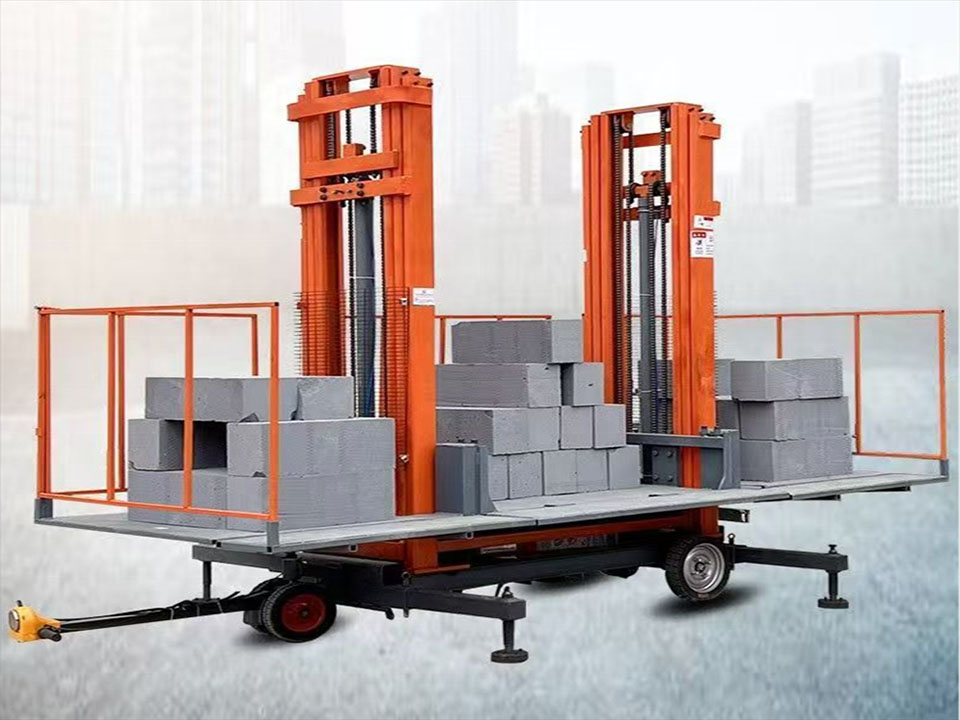
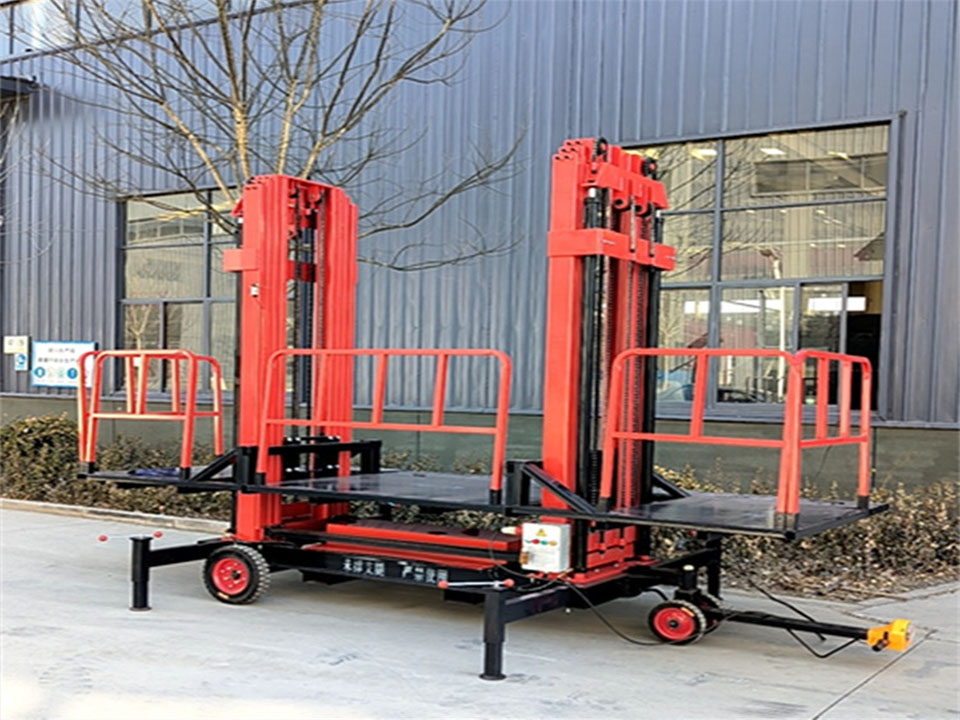
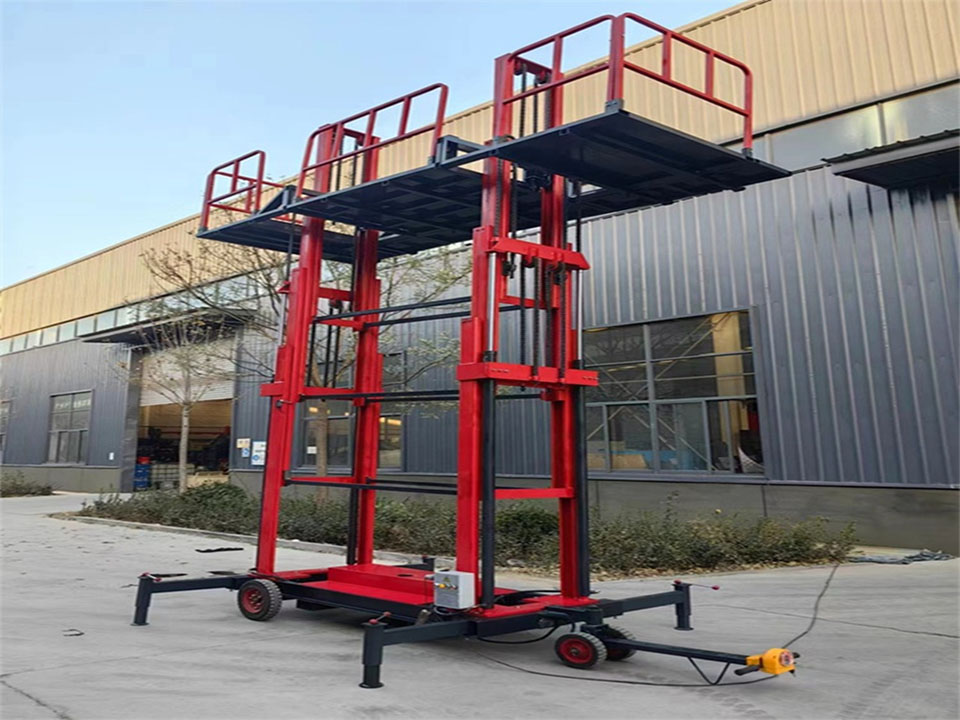
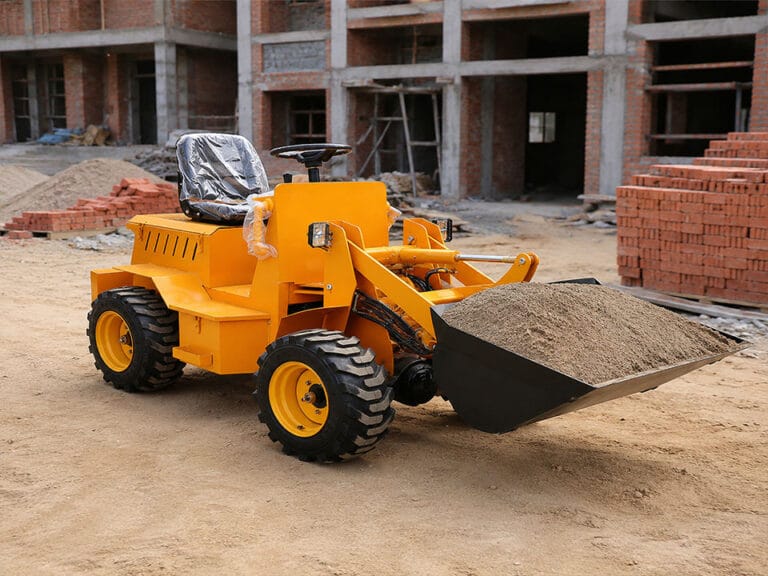
A trusted industrial equipment manufacturer helps B2B buyers source reliable machinery for construction, material handling, agriculture, landscaping, mining, and environmental applications. Since 2019, we have manufactured mini loaders, freight elevators, lift platforms, and lawn mowers for customers across Western countries, Japan, South Korea, Central Asia, Russia, and other markets.
Longyao County Yuhong Machinery Manufacturing Co., Ltd.
Since 2019
North of Xiaozhuangdong Village, Weijiazhuang Town, Longyao County, Xingtai City, Hebei Province, China
B2B Preventive Maintenance Compliance Plan: Use Limited Shop Capacity
Limited shop capacity does not excuse weak maintenance compliance. This guide shows how B2B equipment teams can protect uptime, audit records, and technician hours without pretending every machine deserves equal priority.
When a maintenance manager tells me, “We’re behind on PM because the shop is full,” I usually hear something else underneath: the company has no real preventive maintenance compliance system, only a calendar, a few angry operators, and a mechanic who knows which machine is about to embarrass everyone next Friday afternoon. Why does that still pass as planning?
The ugly truth is simple. Limited shop capacity is not the problem. Bad ranking is the problem.
A B2B fleet does not fail evenly. A loader working mud, slope, brush, and daily rental abuse does not deserve the same PM slot as a clean indoor standby unit. A tracked machine working rough ground, like a remote control tracked lawn mower with all-terrain design, burns through undercarriage checks, blade inspections, grease points, and fastener review faster than light-duty equipment sitting in a dealer yard. Treat them the same and the shop schedule becomes theater.
OSHA says safety and health programs help companies prevent injuries, improve compliance, reduce costs, and improve operations; that is not soft language when your compliance file is thin and the machine is already down.
Table of Contents
Search Intent: What the Buyer Really Wants
The search intent behind “B2B Preventive Maintenance Compliance Plan: Use Limited Shop Capacity” is mainly informational with commercial pressure.
The reader is not shopping for a wrench. They are trying to answer a harder question: “How do we stay compliant when our technicians, bays, parts bins, and operating windows are already overloaded?” That person may be a fleet manager, dealer service lead, warehouse facility manager, rental equipment coordinator, or factory maintenance supervisor.
And yes, they are probably tired.
They need a preventive maintenance compliance plan that does three things at once: pass an audit, reduce emergency breakdowns, and keep production from screaming every time a machine is pulled into the shop.
Compliance Is Not a Calendar. It Is Proof.
I frankly believe most PM programs fail because they confuse “scheduled” with “controlled.”
A scheduled PM says, “Unit 14 is due this week.” A controlled PM says, “Unit 14 is due, it carries high failure exposure, the brake inspection is safety-related, the hydraulic leak was deferred once already, the technician skill requirement is Level 2, and the next available bay is Thursday after 14:00.”
Different animal.
In the United States, OSHA’s 2023 work-related injury and illness summary reported data from more than 385,000 establishments and more than 1.5 million work-related injury and illness summaries; those cases represented more than 18 million days away from work and more than 22 million days of job transfer or restriction. That number should scare any equipment-heavy business that still runs PM on memory, paper sheets, and “ask Zhang, he knows that machine.”
For export-focused B2B equipment sellers, this also matters in sales copy. Buyers in logistics, agriculture, municipal contracting, orchards, and rental channels are not only buying steel. They are buying serviceability. If you sell a compact tracked remote control loader for rough terrain, your maintenance story needs to explain how the buyer can inspect tracks, hydraulics, drive components, remote-control systems, emergency stop circuits, and structural weld points without killing shop capacity.
The Capacity Trap: Every PM Cannot Be Priority One
Here is where many teams lie to themselves.
They call everything “high priority” because nobody wants to explain risk ranking to operations. Then the shop gets 18 machines marked urgent, two mechanics, one lift bay, missing filters, and a half-day lost waiting for a sensor harness. Nice plan.
It burns fast.
The better method is to build a capacity-weighted PM compliance checklist. Not just “done / not done.” I mean a ranking matrix that assigns shop capacity only where risk, revenue exposure, legal exposure, and failure probability justify the slot.
Use these four levels:
PM Priority Level
What It Means
Shop Capacity Rule
Example Action
Level 1: Safety / Compliance Hold
Machine should not operate until inspected or corrected
Immediate bay allocation, even if another PM moves
OSHA’s 2024 penalty adjustment raised maximum penalties to $16,131 per serious violation and $161,323 per willful or repeated violation, which is exactly why “we were busy” is a weak defense when safety-related maintenance is skipped.
Build the PM Compliance Plan Around Bottlenecks
A real plan starts with bottlenecks, not machines.
How many technician hours do you actually have each week? How many jobs require two people? Which repairs need the only welding bay? Which inspections require the senior technician? Which parts have 7-day lead times? Which machines can be serviced in the field?
This is where maintenance capacity planning becomes useful instead of decorative.
For example, a remote control tracked lawn mower brush cutter robot used on slope clearing may need more frequent blade carrier inspection, track cleaning, remote-control signal checks, battery terminal review, and emergency stop testing. That does not mean every item needs a shop bay. Some checks can be field PM. Some require lockout, cleaning, lift access, and documentation. Split them.
My rule is blunt: never spend indoor shop capacity on work that can be safely completed in the field with proper tools, photos, and sign-off.
The 70/20/10 Capacity Model
I like the 70/20/10 model because it annoys people who love perfect spreadsheets.
Reserve 70% of shop capacity for planned preventive maintenance, known wear items, and inspection-based work. Reserve 20% for corrective repairs discovered during PM. Keep 10% open for emergency calls. If emergency work regularly consumes 30% or 40%, do not blame the emergency. Blame the weak inspection system.
A B2B equipment preventive maintenance schedule should also separate usage-based triggers from calendar-based triggers. A machine cutting brush in wet orchards for 40 hours can age faster than one parked for 20 days. That is why a heavy-duty remote control track loader mower for orchard should be tracked by engine hours, terrain type, blade load, track wear, hydraulic heat signs, and operator notes—not just “monthly PM.”
What I Would Put on the PM Compliance Checklist
A PM compliance checklist should be boring enough for technicians to complete and detailed enough for an auditor to trust.
Guard condition, fastener status, blade or belt exposure
Low to Medium
High
Brakes / stopping system
Test result, fault note, repair ticket if failed
Medium
High
Remote-control safety
Signal test, emergency stop test, range issue note
Low
Medium to High
Tracks / tires / undercarriage
Wear photo, tension reading, damage note
Medium
Medium
Structural frame / welds
Crack check, corrosion note, load-bearing concern
Medium
High
Service parts
Filter, oil, blade, belt, seal, sensor usage
Low
Medium
Deferred work
Reason, risk level, next review date, manager approval
Low
High
But do not let the checklist become a museum. Every line needs one of three outputs: pass, repair ticket, or controlled deferral. Anything else is noise.
Controlled Deferral: The Part Nobody Wants to Sign
So here is the hard truth: deferral is not failure. Uncontrolled deferral is failure.
If limited shop capacity forces you to delay a PM item, document five things: the asset ID, the skipped item, the reason, the risk level, and the next fixed review date. Add manager approval for safety-adjacent items. No whispered exceptions.
For B2B sellers, this is also a trust signal. When buyers ask about service support for a remote control 4WD brush cutter mower for rough terrain, do not just say “easy maintenance.” Say the machine supports structured PM planning: accessible wear parts, track or wheel inspection points, remote-control system checks, blade service intervals, and documented safety review.
That language speaks to fleet buyers.
The Shop Capacity Scheduling Formula
Here is a practical scheduling formula I use for PM workload planning:
A machine with high safety exposure and low shop time gets pulled forward. A machine with low exposure and long shop time gets bundled or delayed. This is not academic. It keeps technicians from wasting prime bay hours on low-value work while a high-risk machine waits outside.
BLS reported that private industry employers recorded 2.5 million nonfatal workplace injuries and illnesses in 2024, down 3.1% from 2023, and DART cases over 2023–2024 included a median of 8 days away from work and 15 days for job transfer or restriction cases. A shop that ignores PM evidence is not just risking downtime; it is risking lost workdays, claim exposure, and ugly internal investigations.
30-Day Implementation Plan
Start small. Seriously.
In the first week, list every active machine, current PM status, known defects, safety-related items, and parts availability. In week two, assign PM priority levels. In week three, block shop capacity by 70/20/10. In week four, audit the deferral list and kill fake compliance.
Do not chase perfect software first. Build the rule set first.
Your first 30 days should produce:
Week
Main Action
Output
Week 1
Asset and defect review
Machine list, open issues, overdue PM items
Week 2
Risk ranking
Level 1–4 PM priority list
Week 3
Capacity blocking
Weekly shop schedule with protected PM hours
Week 4
Compliance review
Completed checklist, deferral log, parts shortage report
That is enough to expose the truth. And sometimes the truth is ugly: the fleet is too large for the shop, the parts room is lying, or the sales team promised service windows nobody can support.
FAQs
What is a preventive maintenance compliance plan?
A preventive maintenance compliance plan is a documented system that proves equipment inspections, service tasks, safety checks, corrective repairs, and deferrals are scheduled, completed, reviewed, and traceable within a defined maintenance workflow, even when technician hours, shop bays, and spare parts are limited.
In plain English, it turns “we usually maintain it” into evidence. The plan should include asset IDs, PM intervals, inspection records, technician signatures, parts usage, deferred work approvals, and safety-related repair tickets.
How do you improve preventive maintenance compliance with limited shop capacity?
Improving preventive maintenance compliance with limited shop capacity means ranking work by safety risk, downtime cost, usage severity, parts readiness, and technician availability instead of treating every PM task as equally urgent or blindly following a calendar.
The smartest move is to protect fixed PM hours every week. Then separate shop-only jobs from field-service tasks. Do not let emergency repairs eat the entire schedule unless management accepts that the PM system is already failing.
What should be included in a PM compliance checklist?
A PM compliance checklist should include asset identification, inspection date, technician name, safety checks, lubrication points, hydraulic review, guards, brakes, tracks or tires, electrical controls, remote-control functions, parts replaced, defects found, repair actions, and approved deferrals.
The checklist must create proof. If it does not show what was checked, who checked it, what failed, and what happens next, it is just paperwork with a logo.
How should B2B equipment teams schedule PM work?
B2B equipment teams should schedule PM work by grouping machines into risk levels, reserving weekly shop capacity, bundling related tasks, confirming parts before the machine enters the bay, and leaving a small emergency buffer for unavoidable breakdowns.
I would not schedule PM purely by date. Usage hours, terrain severity, operator complaints, customer contract exposure, and safety risk should all push machines up or down the queue.
Is deferred maintenance always non-compliant?
Deferred maintenance is not always non-compliant if the delay is risk-assessed, documented, approved, time-limited, and reviewed before the machine creates a safety or operational hazard.
But casual deferral is dangerous. A note saying “later” is not a compliance record. A controlled deferral needs a reason, risk level, responsible person, and next inspection date.
CTA
If your B2B fleet has limited shop capacity, stop pretending the calendar will save you. Build a preventive maintenance compliance plan that ranks risk, protects technician hours, documents deferrals, and gives buyers confidence that your equipment can be maintained under real working conditions—not showroom conditions.
Contact our equipment manufacturer to discuss mini loaders, freight elevators, lift platforms, and lawn mowers for construction, logistics, agriculture, landscaping, mining, and municipal projects. Founded in 2019, we support global B2B buyers with RFQ review, WhatsApp or email communication, sales team guidance, customization, and export-ready machinery solutions.
Company
About
Solutions
Applications
Electric Freight Elevator
Contact
Products
Mini Loader
Freight Elevator
Lift Platform
Lawn Mower
Electric Mini Loader
Contact
+86 151 0096 5355
North of Xiaozhuangdong Village, Weijiazhuang Town, Longyao County, Xingtai City, Hebei Province, China