Reliable Mini Loader Manufacturer for OEM & Wholesale Equipment Buyers
A trusted industrial equipment manufacturer helps B2B buyers source reliable machinery for construction, material handling, agriculture, landscaping, mining, and environmental applications. Since 2019, we have manufactured mini loaders, freight elevators, lift platforms, and lawn mowers for customers across Western countries, Japan, South Korea, Central Asia, Russia, and other markets.
Longyao County Yuhong Machinery Manufacturing Co., Ltd.
Since 2019
North of Xiaozhuangdong Village, Weijiazhuang Town, Longyao County, Xingtai City, Hebei Province, China
B2B Preventive Maintenance Compliance Plan for Fleet Managers
Fleet preventive maintenance isn’t just a service calendar; it’s the proof system behind safer equipment, cleaner audits, and fewer breakdown calls. This guide gives fleet managers a rough-edged, practical plan for inspections, defect closure, records, and buyer-ready compliance.
And suddenly that “well-managed” fleet looks a lot less professional, because the truck still rolls out, the lift still goes up, the mower still starts, and everyone pretends the job is under control—until a brake issue, hydraulic leak, missing inspection file, or repeat defect drags the whole operation into an ugly audit conversation.
What did the file say?
That’s the question. Not what the mechanic remembered. Not what the driver swore he checked. Not what the yard supervisor “usually” does on Mondays. A real Fleet Preventive Maintenance system lives or dies by evidence: asset ID, inspection date, defect note, repair action, release approval, and next due trigger.
I’ll be blunt: a lot of B2B fleets don’t fail because the machines are bad. They fail because the maintenance culture is soft.
Under 49 CFR Part 396, motor carriers must systematically inspect, repair, and maintain commercial motor vehicles under their control, and maintenance records must identify the vehicle, due maintenance operations, and the date and nature of inspection, repair, or maintenance.
Table of Contents
The Compliance Problem Nobody Likes Saying Out Loud
But here’s the ugly truth: “we fixed it” is not compliance.
A repair receipt is not a preventive maintenance compliance plan. A sticker on the windshield is not a fleet maintenance program. A WhatsApp photo of a leaking hose—yes, I’ve seen this treated as documentation—is not a proper defect closure record.
It’s theater. Expensive theater.
CVSA’s 2024 International Roadcheck reported a 23.2% vehicle out-of-service rate in the United States, with defective brakes listed as the top vehicle violation at 3,093 cases.
Now, maybe your fleet isn’t running long-haul trucks across state lines. Fine. The lesson still punches hard. Brake systems, tires, lights, load control, hydraulic components, guards, sensors, pins, hoses, and batteries do not care whether your buyer calls the asset a “vehicle,” “machine,” “platform,” or “site unit.”
Metal wears. Rubber ages. Operators rush.
Start With Risk, Not Calendar Squares
Most fleet managers build the checklist backwards.
They start with “daily, weekly, monthly.” Neat. Comfortable. Also lazy, if the asset mix is rough.
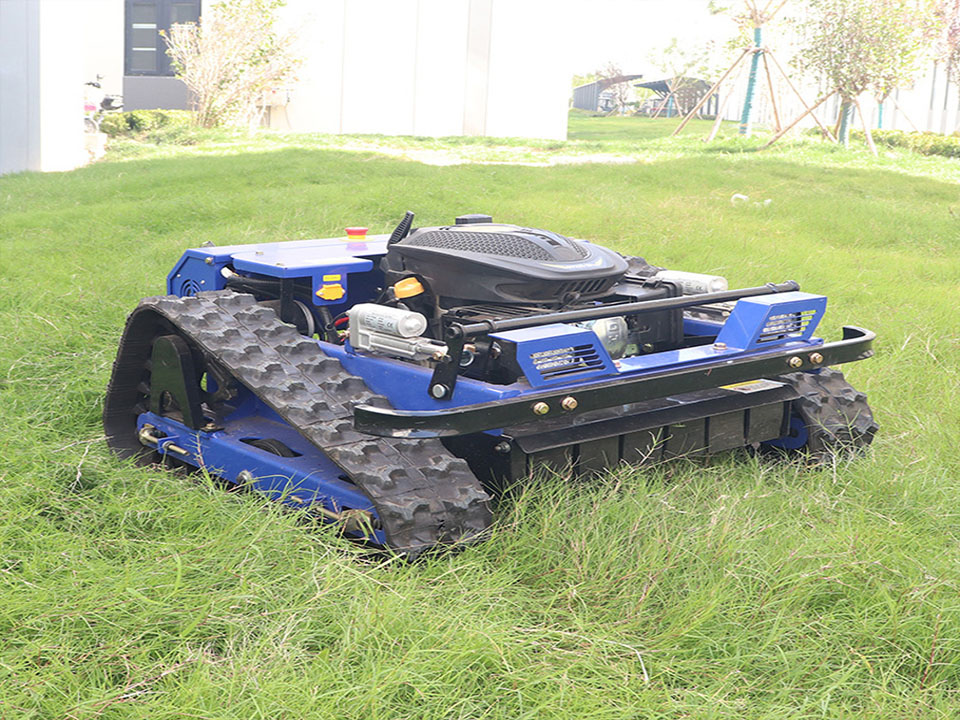
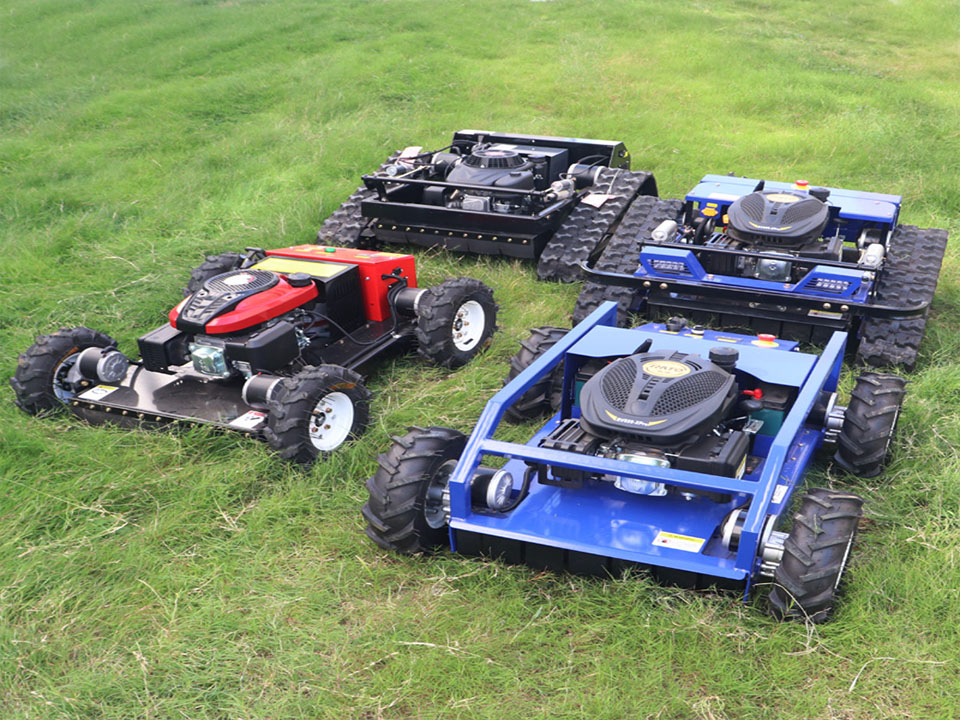
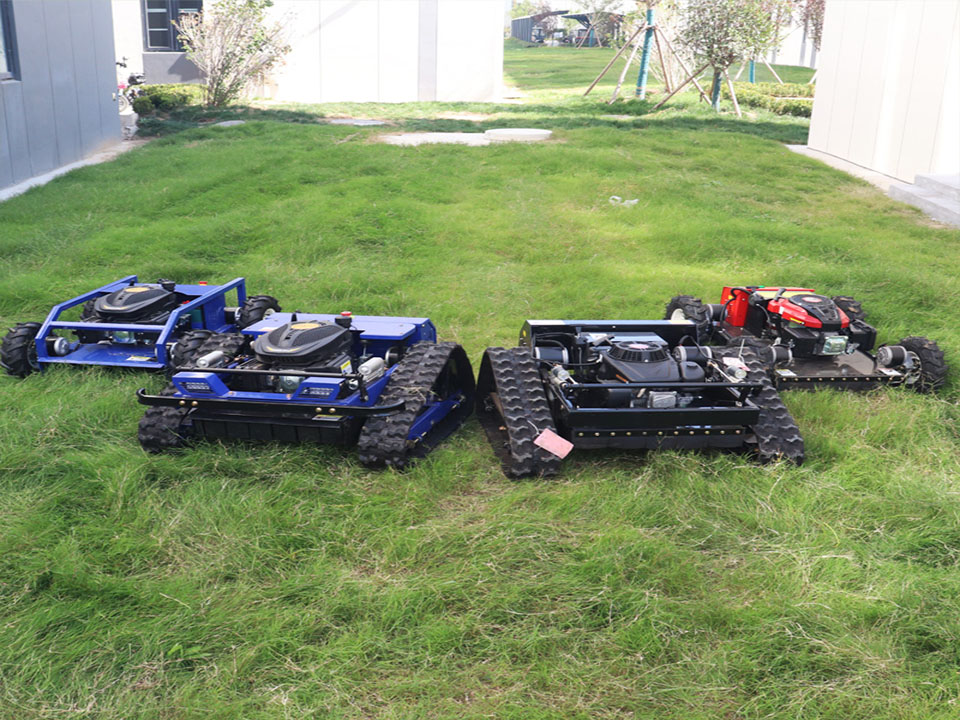
A slope mower working wet banks, vibration-heavy terrain, and brush impact should not be treated like a warehouse platform that moves palletized goods indoors. A remote control tracked lawn mower for slopes and rough terrain needs eyes on track tension, blade carrier wear, remote response, emergency stop behavior, fuel delivery, guarding, and vibration cracks. A dual mast mobile lifting platform for material handling needs a different kind of suspicion: mast alignment, cylinder drift, hose abrasion, locking points, platform stability, emergency lowering, and load behavior.
Same checklist logic? No.
Same compliance discipline? Absolutely.
My rule is simple: if the failure can injure someone, stop a customer job, trigger DOT fleet compliance exposure, damage cargo, or create a warranty fight, it belongs in the controlled compliance file—not in somebody’s “I’ll check it later” pile.
The Five-Layer PM Plan I’d Actually Trust
1. Asset Identity
Start with the boring stuff.
Asset number. Serial number. Model. Year. Engine type. Tire size. Battery voltage. Hydraulic system type. attachment list. Service location. Purchase date. Supplier. Warranty window.
Boring saves money.
Because when Unit 12 has a repeat hydraulic leak and nobody can prove whether the hose came from the first repair, the second repair, or a cheap substitute part bought during a Friday panic, your maintenance team is not troubleshooting anymore—they’re archaeology workers with grease on their sleeves.
A remote control 4WD lawn mower with gas engine power used twice a week on rough ground may deserve more frequent blade, fuel, track, fastener, and remote-control checks than a lightly used support unit parked indoors. That’s not over-maintenance. That’s knowing where the abuse happens.
3. Defect Reporting
Here’s where weak fleets get exposed.
The operator sees a leak. The mechanic says it’s “not too bad.” Dispatch needs the unit. The job starts anyway.
Bad habit.
For DOT-controlled vehicles, driver inspection rules require listed defects that affect safe operation to be repaired before the vehicle is operated again, with certification that the defect was repaired or repair was unnecessary.
Even outside road transport, that logic is clean: report it, classify it, tag it, repair it, verify it, release it. No mystery step.
4. Record Retention
Records should not live in five places.
Not in the mechanic’s phone. Not in one office drawer. Not in an email thread titled “machine issue again.” Not in a half-filled Excel file nobody opens after March.
Under 49 CFR 396.3, required maintenance records must generally be retained where the vehicle is housed or maintained for one year, and for six months after the vehicle leaves the carrier’s control.
For mixed B2B equipment fleets, copy that standard even when the machine isn’t DOT-regulated. It gives your buyer, insurer, safety officer, and operations manager one thing they all understand: traceability.
5. Management Review
And yes, management must read the numbers.
Not once a year. Not after a breakdown. Monthly.
Look at overdue PM, emergency repair count, repeat defects, expired inspections, out-of-service units, parts failures under 90 days, and maintenance cost per operating hour. If the same asset appears twice in the ugly column, stop pretending it’s “just bad luck.”
It probably isn’t.
Fleet Preventive Maintenance Compliance Table
Compliance Layer
What to Track
Minimum Evidence
Red Flag
Manager Action
Asset identity
Unit number, serial number, model, service location
However, the checklist is rarely the real problem.
The real problem is the handoff. Operator to mechanic. Mechanic to supervisor. Supervisor to fleet manager. Fleet manager to buyer audit file. Somewhere in that chain, the note gets softened, delayed, renamed, or lost.
“Small leak.”
“Minor vibration.”
“Still usable.”
Those phrases cost money.
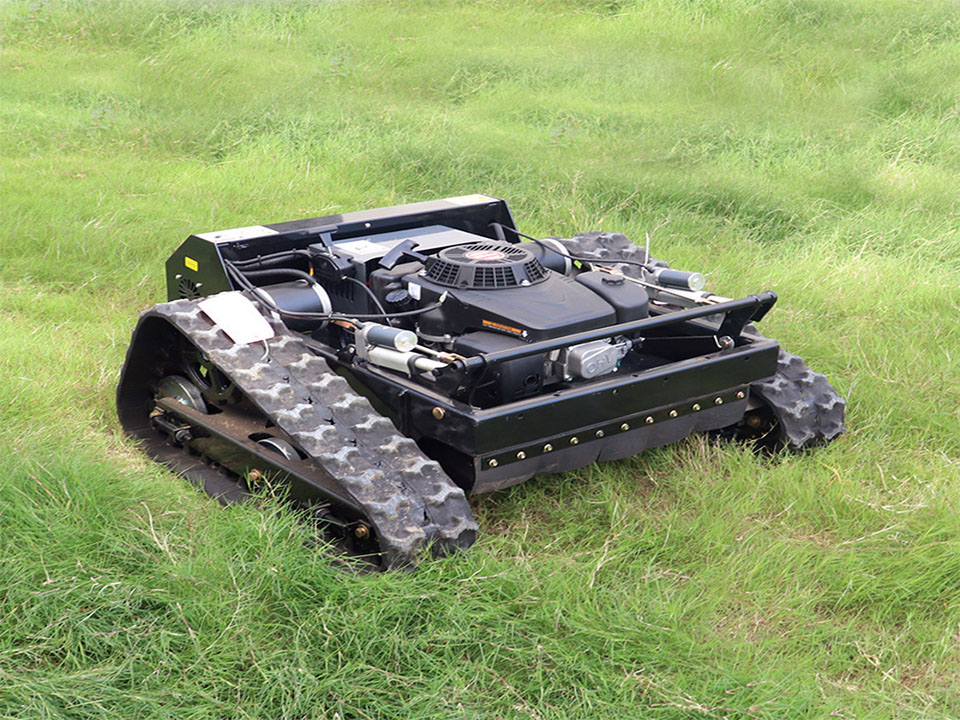
A heavy-duty remote control tracked flail mower for slopes working in weeds, brush, slope edges, and uneven ground should have repeat vibration, blade, guard, and track issues reviewed like a pattern—not treated as random noise. Same for lift equipment. Same for trailers. Same for service vehicles.
If the same defect returns, it is no longer a defect. It’s a signal.
A 30-60-90 Day Rollout That Won’t Collapse
First 30 days: build the asset register. No excuses. Capture serial numbers, models, locations, service status, inspection expiry, and risk category.
Then sort the fleet into buckets: road-regulated units, lifting/load-bearing equipment, high-abuse outdoor machines, support vehicles, and standby assets.
Next 30 days: write risk-based checklists. Not copied templates. Real checks.
For an XT-800CB remote control track lawn mower for rough terrain, the checklist should include track tension, cutting system condition, slope response, remote signal behavior, emergency stop, fuel system, fastener loosening, guarding, and abnormal vibration.
Last 30 days: force the dashboard.
Overdue PM. Emergency repairs. Repeat defects. Out-of-service count. Inspection expiry risk. Cost per operating hour. Parts replaced twice within 90 days.
Keep it ugly. Pretty dashboards hide bad fleets.
What a Buyer-Ready Fleet File Should Show
A serious B2B buyer should be able to pick one asset and see the story fast.
What is it? Where is it used? What inspections are due? What defects were reported? Who repaired it? Which parts were used? Who released it? When is the next PM? Has the same problem happened before?
If your team needs two days to answer, the plan is not mature.
I know that sounds harsh. Good.
Because a fleet maintenance compliance plan is not supposed to make people feel relaxed. It’s supposed to make weak spots visible before the buyer, regulator, insurer, or injured worker finds them first.
FAQ
What is a preventive maintenance compliance plan for fleet managers?
A preventive maintenance compliance plan is a documented system that tells fleet managers how each vehicle or equipment unit is identified, inspected, repaired, recorded, reviewed, and released for service so the fleet can reduce breakdowns, meet compliance duties, and prove maintenance history during audits.
In plain language, it’s the paper trail behind safe operations. It connects the asset file, inspection schedule, defect report, repair order, parts record, technician sign-off, and release decision into one controlled process instead of scattered notes.
How often should fleet preventive maintenance be performed?
Fleet preventive maintenance should be performed based on operating hours, mileage, load cycles, environment, risk level, manufacturer guidance, and legal inspection duties, not one fixed calendar interval for every asset in the fleet.
A lightly used indoor lift platform and a rough-terrain mower do not age the same way. Daily operator checks, weekly visual reviews, monthly PM, and annual inspections are useful, but high-abuse equipment needs tighter intervals.
What records should be included in fleet maintenance compliance?
Fleet maintenance compliance records should include asset identification, inspection schedules, due dates, completed PM tasks, defect reports, repair dates, technician notes, parts used, release approval, annual inspection proof, and retained documentation showing the date and nature of maintenance.
The file should prove one thing quickly: the unit was inspected, defects were handled, and the equipment was approved for work. If that proof is missing, the machine may run—but the compliance story is weak.
Why do B2B fleet managers need a preventive maintenance checklist?
B2B fleet managers need a preventive maintenance checklist because it turns informal mechanic knowledge into repeatable evidence, making inspections more consistent, repairs more traceable, and customer or regulatory audits easier to defend.
Without a checklist, the fleet depends on memory. And memory is terrible under pressure. Operators rotate, technicians get busy, jobs run late, and suddenly nobody can prove whether brakes, tires, hydraulics, guards, lights, or controls were checked.
What is the biggest mistake in fleet maintenance compliance?
The biggest mistake in fleet maintenance compliance is closing work without a complete evidence trail that connects the defect, inspection, repair, verification, and release decision to one specific asset.
That missing trail creates risk. Maybe the repair happened. Maybe it didn’t. Maybe the unit was safe. Maybe it wasn’t. In an audit or dispute, “maybe” is not a defense—it’s a crack in the whole fleet maintenance program.
CTA
If your fleet still runs on paper scraps, phone photos, and “ask the mechanic” memory, tighten it now. Build the register. Classify asset risk. Make checklists real. Close defects properly. Review repeat failures every month. A clean fleet preventive maintenance file won’t just reduce breakdowns—it tells B2B buyers your operation is serious before they ever visit the yard.
Contact our equipment manufacturer to discuss mini loaders, freight elevators, lift platforms, and lawn mowers for construction, logistics, agriculture, landscaping, mining, and municipal projects. Founded in 2019, we support global B2B buyers with RFQ review, WhatsApp or email communication, sales team guidance, customization, and export-ready machinery solutions.
Company
About
Solutions
Applications
Electric Freight Elevator
Contact
Products
Mini Loader
Freight Elevator
Lift Platform
Lawn Mower
Electric Mini Loader
Contact
+86 151 0096 5355
North of Xiaozhuangdong Village, Weijiazhuang Town, Longyao County, Xingtai City, Hebei Province, China