Reliable Mini Loader Manufacturer for OEM & Wholesale Equipment Buyers
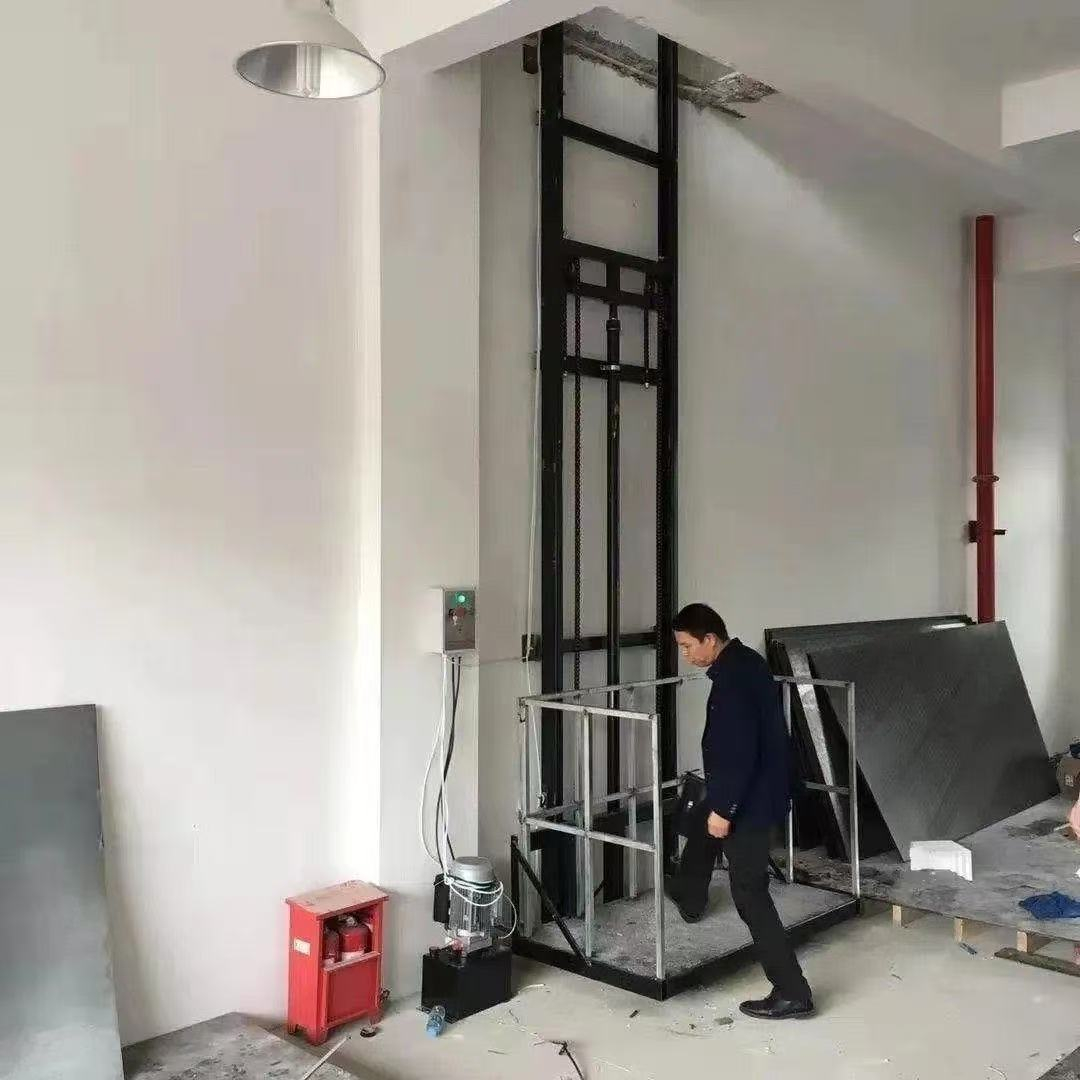
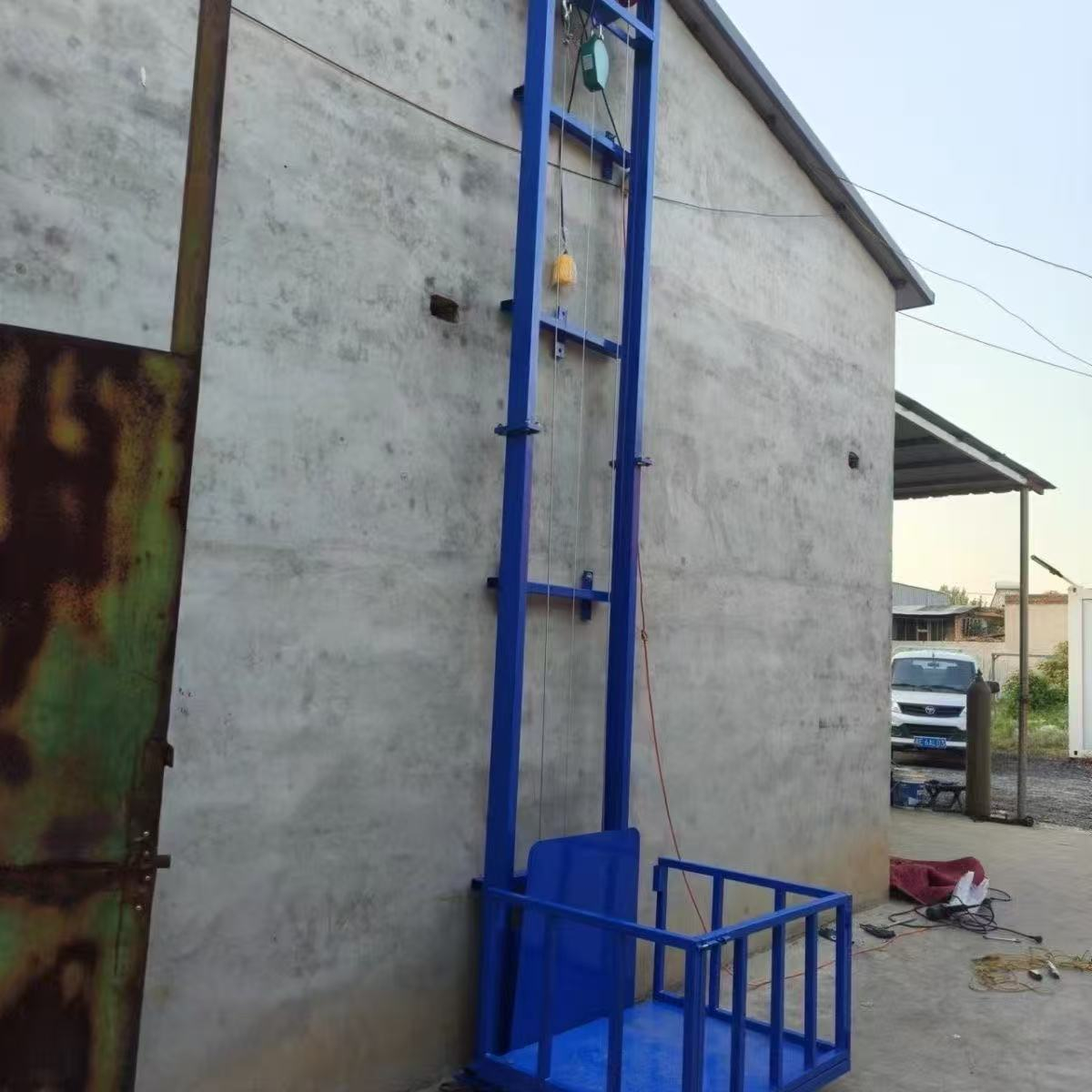
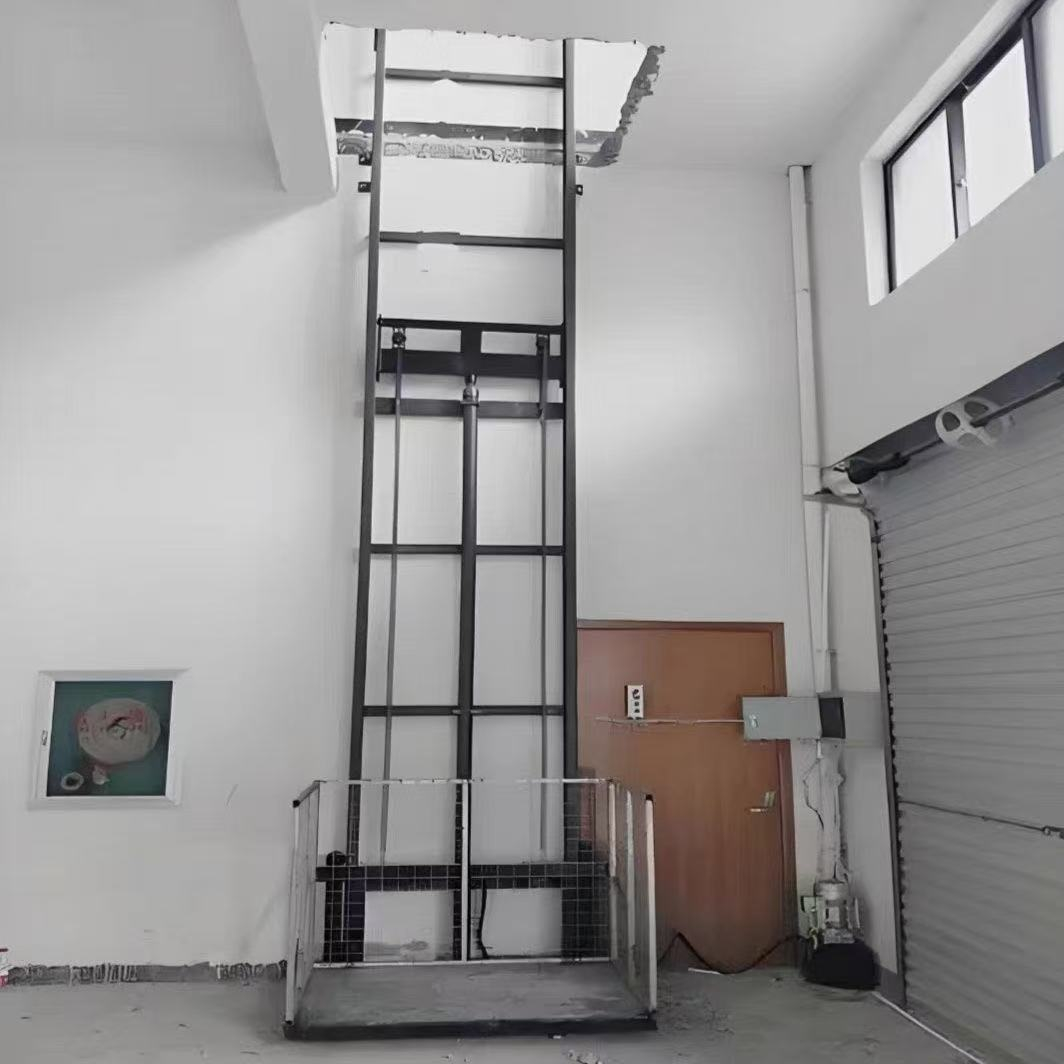
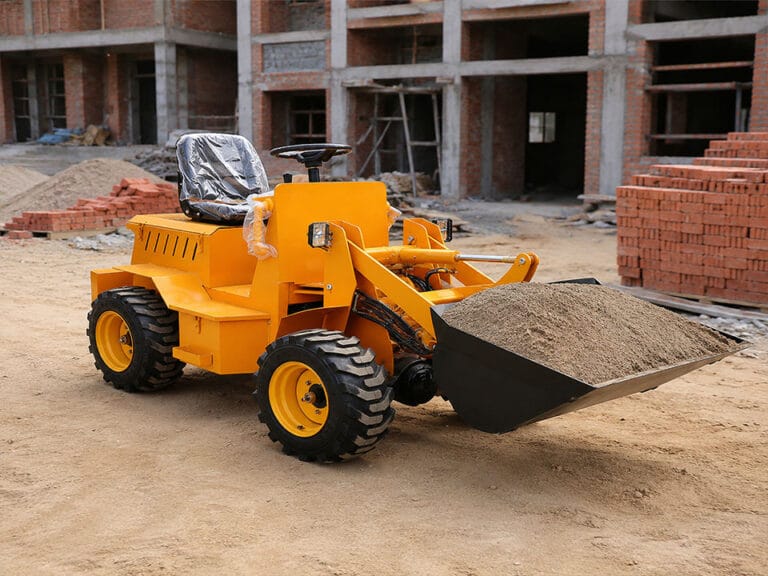
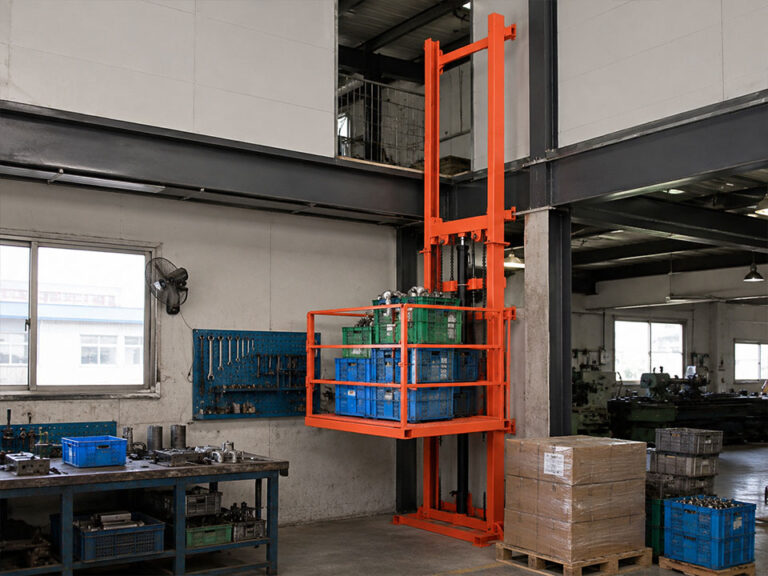
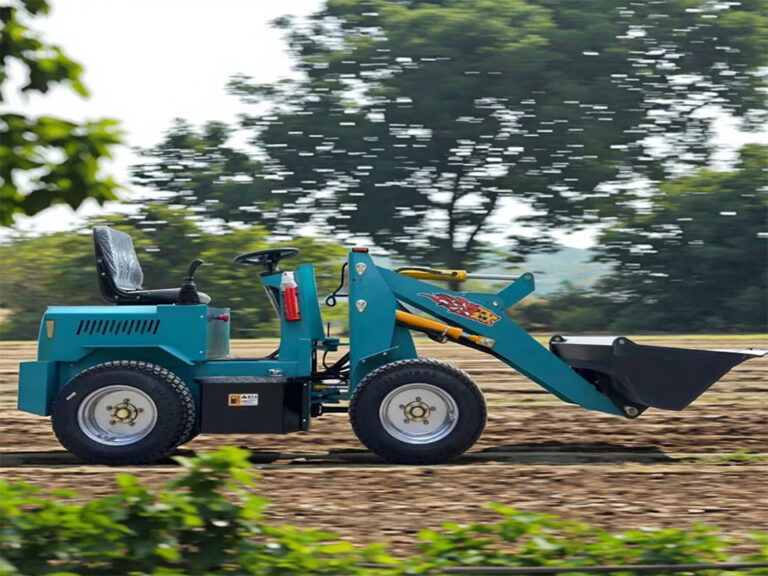
A trusted industrial equipment manufacturer helps B2B buyers source reliable machinery for construction, material handling, agriculture, landscaping, mining, and environmental applications. Since 2019, we have manufactured mini loaders, freight elevators, lift platforms, and lawn mowers for customers across Western countries, Japan, South Korea, Central Asia, Russia, and other markets.
Longyao County Yuhong Machinery Manufacturing Co., Ltd.
Since 2019
North of Xiaozhuangdong Village, Weijiazhuang Town, Longyao County, Xingtai City, Hebei Province, China
B2B Freight Elevator Spare Parts Checklist: Plan Service Windows
This guide gives B2B buyers a practical spare parts checklist for freight elevator service planning. It shows which parts matter, when to stock them, and how to plan service windows without turning maintenance into a warehouse shutdown.
That is often how a “maintenance plan” reveals itself as theater: the buyer has the purchase contract, the operator has the fault log, the mechanic has half a diagnosis, but nobody can find the correct door roller, seal kit, contactor, hydraulic hose, guide shoe, limit switch, or emergency stop component when the freight elevator is already blocking pallet flow at 9:40 a.m. on a Monday.
And then everyone asks the same useless question: why is the lift down?
I’ll be blunt. Most B2B freight elevator downtime is not caused by one dramatic failure. It is caused by small parts being treated like office stationery instead of operational risk. If a cargo lift moves cartons, dies, steel frames, food inventory, or warehouse pallets, the spare parts system is not a backroom issue. It is production planning.
OSHA’s marine terminal elevator rule says elevators and escalators must be thoroughly inspected at intervals not exceeding one year, with additional monthly operational inspections by designated persons; that is not a spare-parts shopping list, but it tells us something buyers ignore: inspection rhythm and parts readiness belong together.
Why Freight Elevator Spare Parts Planning Is a B2B Risk Control Problem
A freight elevator is not a showroom machine. It gets abused.
Forklift drivers bump the sill. Operators overload “just this once.” Dust enters the control cabinet. Door locks get slammed. Hydraulic oil ages. Chains stretch. Guide rails collect grime. The machine keeps working until it does not.
Here’s the ugly truth: if your service team has to “check supplier stock” after the failure happens, you do not have a maintenance plan. You have a reaction habit.
A proper Freight Elevator Spare Parts checklist should answer four questions before the machine stops:
What parts fail most often? What parts have long lead times? What parts are safety-related? What parts must be replaced during planned downtime instead of emergency downtime?
The answer changes by machine type. A hydraulic freight elevator needs different stock discipline from a traction lift. A small warehouse cargo lift needs different parts than a heavy industrial freight platform. But the planning logic is the same.
Buyers who already manage rough-terrain equipment understand this instinctively. The same “wear item versus shutdown item” thinking used for a remote control tracked slope mower with dozer blade also applies to freight elevators: keep cheap wear parts available, treat control and safety components as risk items, and never let a service window depend on luck.
The Parts Nobody Thinks About Until the Lift Is Dead
I have seen purchasing teams obsess over the motor and ignore the door system. That is backwards.
Freight elevators often stop because of dull, boring parts: door interlocks, limit switches, rollers, push buttons, relays, oil seals, fuses, contactors, hydraulic fittings, guide shoes, wire ropes, chains, sensors, or control cabinet terminals. Cheap parts. Expensive downtime.
In 2024, federal OSHA received 9,034 severe injury reports, about 25 per day, across covered employers; that statistic is broader than elevators, but it is a sober reminder that mechanical maintenance is not just about uptime—it is also about injury exposure, lockout habits, and field discipline.
So ask yourself: which part failure can trap cargo, jam a door, create unsafe leveling, cause uncontrolled movement, or force workers into risky manual handling?
That list is where your spare parts checklist starts.
Core Freight Elevator Spare Parts Checklist for B2B Buyers
Use this as a buyer-side planning checklist, not a mechanic’s final diagnosis sheet. Your local code, lift design, load capacity, travel height, controller brand, and service contract still matter.
Spare Parts Category
Typical Items to Stock
Risk if Missing
Suggested Stock Priority
Best Service Window Timing
Door system parts
Door rollers, interlocks, guide shoes, sill parts, door contacts
Wiring diagram, parts manual, maintenance log, inspection certificates
Wrong part ordered, service delay, audit trouble
Very high
Before contract renewal
But don’t just copy this table. Adapt it.
If your freight elevator handles 1,000 kg loads twice a day, your wear pattern is not the same as a 3,000 kg warehouse unit running 60 cycles per shift. If your operators use pallet jacks inside the car, door track damage jumps. If your lift sits in a dusty factory, control cabinet cleaning becomes more important than the brochure ever admitted.
Separate Wear Parts, Safety Parts, and Long-Lead Parts
This is where many procurement managers get lazy.
They make one spare parts list. Wrong move.
A serious freight elevator spare parts checklist should be split into three buckets.
First, wear parts. These are predictable: rollers, guide shoes, seals, filters, chains, bearings, lamps, buttons, small fasteners. You stock them because they fail through use.
Second, safety parts. These include limit switches, interlocks, emergency stops, overload devices, safety contacts, brake-related components, and landing protection hardware. You stock or pre-source them because downtime is not the only risk.
Third, long-lead parts. These may include controller boards, special hydraulic cylinders, custom doors, rare sensors, imported motor components, or non-standard guide rail hardware. You may not need to hold every item on the shelf, but you need supplier confirmation, part numbers, lead times, and emergency shipping terms.
ASME describes A17.1/CSA B44 as covering design, construction, installation, operation, inspection, testing, maintenance, alteration, and repair for elevators and related conveyances, which is exactly why B2B buyers should not treat spare parts as a casual after-sales accessory.
The Service Window Math: Don’t Schedule Labor Before Parts
I’ve watched companies book technicians before confirming parts. That is expensive theater.
Why? Because labor without parts creates a half-repaired machine and a second shutdown. Nobody wants to admit this, but many “maintenance delays” are actually purchasing delays wearing a mechanic’s uniform.
If you manage other industrial machines, you already know this. A buyer stocking blades, belts, batteries, and remote-control modules for a 4WD automatic remote control lawn mower robot is doing the same mental work: protect the working day before the working day is lost.
How to Build a 30-60-90 Day Spare Parts Plan
For a B2B freight elevator, I would not start with a one-year fantasy plan. Start with 90 days.
In the first 30 days, identify the lift model, rated load, travel height, drive type, controller type, door type, and maintenance history. Collect fault logs. Photograph labels. Verify part numbers.
In 60 days, build the stock list. Mark each part as “stock now,” “supplier reserve,” or “quote only.” Ask for lead times in writing. Not verbally. Verbal lead times vanish when the machine fails.
In 90 days, connect the spare parts list to service windows. That means your warehouse manager, safety officer, maintenance contractor, and purchasing team agree on downtime timing before a fault becomes a shouting match.
Planning Period
Buyer Action
Output
Hard Truth
0-30 days
Audit lift model, fault history, cycle load, and past invoices
Baseline spare parts map
If you do not know the exact model, you cannot stock correctly
31-60 days
Classify parts by wear, safety, and long lead time
Purchasing priority list
Cheap parts can create expensive downtime
61-90 days
Match parts to service windows and approval workflow
Maintenance calendar
Downtime planning fails when operations is not involved
Quarterly
Review fault trends and used parts
Updated reorder levels
Static checklists age badly
Annually
Review compliance records and supplier performance
Renewal decision
A bad parts supplier is a hidden downtime tax
What Should Be in the Purchase Contract?
A freight elevator purchase contract should not only say “warranty.” Warranty does not move cargo.
Ask for a recommended spare parts list before shipment. Ask for exploded diagrams. Ask for controller documentation. Ask whether parts are standard or custom. Ask which items are consumables. Ask which parts are excluded from warranty.
And ask one more question: what parts can stop the lift for more than 72 hours if they are not available?
That question makes weak suppliers nervous.
The same buyer logic applies when sourcing outdoor machines like a heavy duty remote control track loader mower for orchard. A low purchase price looks clever until a simple component traps the machine in idle season, and then the “saving” becomes a schedule penalty.
The Minimum Spare Parts Kit I’d Expect From a Serious Supplier
For a standard B2B cargo lift or freight elevator, I would expect the supplier to recommend a starter kit. Not necessarily a huge one. But it should be real.
The kit may include:
Door rollers, interlock contacts, limit switches, emergency stop button, push button station parts, indicator lamps, fuses, relays, contactors, hydraulic seal kit, hose fittings, oil filter, guide shoes, common fasteners, wiring terminals, and labeled spare keys or access tools.
For heavier-duty installations, I’d add chain or rope-related wear items, overload sensor components, brake-related service items, and extra control cabinet components.
But here is my opinion: if the supplier cannot provide a clean cargo lift spare parts list with part codes, photos, quantity, and lead time, the buyer should treat that supplier as unfinished. Maybe the machine works. Maybe the sales team is friendly. Still, after-sales maturity is part of the product.
Service Windows Must Match Real Operations, Not Calendar Decoration
A service window is not “Tuesday afternoon” written in a spreadsheet.
It is a negotiated pause in material flow. In a warehouse, that may mean receiving docks slow down. In a factory, that may mean WIP inventory waits. In a retail backroom, that may mean staff carry goods manually. In a cold-chain site, it may create temperature exposure.
So plan service windows around actual load behavior.
And yes, keep one emergency slot every quarter. Not because you want failure, but because pretending failure never happens is childish.
For mixed equipment fleets, this same operating-window discipline is why some buyers also standardize maintenance around machines such as a remote control tracked lawn mower with snow blade. Different machine, same management lesson: service timing should follow usage pressure, not office convenience.
How to Plan Freight Elevator Spare Parts for Service Windows
To plan freight elevator spare parts for service windows, match each replacement item to failure probability, supplier lead time, safety impact, and operational downtime cost, then schedule maintenance only after parts, technicians, permits, and operator shutdown approval are confirmed.
That sentence is the whole job.
A practical workflow looks like this:
Create a parts register with name, code, photo, supplier, lead time, unit price, minimum stock, and machine location. Mark every safety-related part in a separate column. Record which parts require certified technician replacement. Tie each planned service task to a stock check date. Confirm parts physically before the service window. After service, update the used-parts log and reorder within 48 hours.
Do not let maintenance use the last spare and “remember to order later.” They won’t. Or they will, three weeks late.
Common Mistakes That Make Spare Parts Planning Fail
The first mistake is buying only obvious parts. Motors, cylinders, and pumps get attention. Door contacts and small switches get ignored.
The second mistake is not separating model variants. Two freight elevators from the same supplier may use different controller boards, door hardware, sensors, or hydraulic fittings.
The third mistake is trusting a PDF without checking the actual installed machine. Field changes happen. Replacement parts get swapped. Labels fade. Contractors improvise. I’m not defending it. I’m saying it happens.
The fourth mistake is having no reorder point. If one spare is used, the list should trigger purchasing automatically. Otherwise, the next failure finds an empty box.
The fifth mistake is not reviewing service records. If the same relay, roller, or seal fails repeatedly, the problem may not be the part. It may be alignment, overload, heat, dust, poor installation, or operator abuse.
Freight Elevator Spare Parts Checklist for Purchasing Teams
Before you place a spare parts order, ask these questions:
Is the part tied to the exact lift model and serial number? Is the part standard or custom-made? What is the lead time in normal season and peak season? Can the supplier provide photos before shipment? Does replacement require certified service labor? Is the component safety-related? Will the lift remain usable if the part fails? What is the reorder quantity? Where will the part be stored? Who owns the parts log?
That last one matters. If nobody owns the log, the log dies.
FAQs
What are Freight Elevator Spare Parts?
Freight Elevator Spare Parts are replacement components kept for maintenance, repair, and planned service work on industrial cargo lifts, including door parts, control components, hydraulic items, mechanical wear parts, safety devices, and documentation items needed to restore safe operation quickly. They help buyers reduce downtime, avoid rushed sourcing, and schedule service windows with fewer surprises.
For B2B buyers, the list should be built around the installed lift model, rated load, traffic pattern, and service history. A generic list is useful as a starting point, but the final spare parts checklist must match the real machine.
What should be included in a freight elevator spare parts checklist?
A freight elevator spare parts checklist should include door rollers, interlocks, limit switches, emergency stops, relays, contactors, fuses, push buttons, hydraulic seals, hose fittings, filters, guide shoes, chains or ropes, bearings, fasteners, wiring terminals, and machine-specific documentation. These items cover the most common wear, control, and safety-related service needs.
The checklist should also show part codes, supplier names, lead times, stock quantities, and whether each item is a wear part, safety part, or long-lead part.
How do you plan freight elevator spare parts for service windows?
You plan freight elevator spare parts for service windows by matching each maintenance task to required parts, confirming those parts are physically available, checking technician requirements, and scheduling downtime during low operational demand. This prevents half-completed repairs and reduces the chance of a second shutdown.
The buying team should confirm part numbers, inspect stock, and approve reorder levels before the technician arrives. Service windows should never depend on “parts should be there” assumptions.
Which freight elevator maintenance parts should B2B buyers stock first?
B2B buyers should stock freight elevator maintenance parts that are low-cost, failure-prone, safety-related, or likely to stop the lift immediately, including door contacts, limit switches, relays, fuses, buttons, oil seals, filters, guide shoes, and common hydraulic fittings. These parts usually provide the best downtime protection per dollar.
High-cost custom parts may not always need full shelf stock, but buyers should pre-confirm price, lead time, drawings, and emergency supply options.
How often should a freight elevator spare parts list be reviewed?
A freight elevator spare parts list should be reviewed at least quarterly, and again after every major repair, repeated fault, annual inspection, or service contract renewal. This keeps the list aligned with real failures instead of outdated supplier assumptions.
If the same component appears repeatedly in service records, do not just increase stock. Investigate root cause: overload, misalignment, heat, dust, poor installation, or operator behavior may be damaging the part.
Why does spare parts planning reduce freight elevator downtime?
Spare parts planning reduces freight elevator downtime because it removes the waiting period between diagnosis and repair, especially for door, electrical, hydraulic, and safety components that can stop operation immediately. A stocked and verified parts system lets service teams repair during planned windows instead of emergency shutdowns.
The biggest gain is not just speed. It is control. Buyers can plan labor, notify operators, protect loading schedules, and avoid paying for repeat visits caused by missing parts.
CTA
If you are sourcing a freight elevator, cargo lift, or industrial lifting platform, do not only ask for load capacity and price. Ask for the spare parts checklist, service-window plan, lead-time table, and after-sales parts policy before you sign. A supplier that can explain parts readiness clearly is usually a supplier that understands real B2B downtime.
Contact our equipment manufacturer to discuss mini loaders, freight elevators, lift platforms, and lawn mowers for construction, logistics, agriculture, landscaping, mining, and municipal projects. Founded in 2019, we support global B2B buyers with RFQ review, WhatsApp or email communication, sales team guidance, customization, and export-ready machinery solutions.
Company
About
Solutions
Applications
Electric Freight Elevator
Contact
Products
Mini Loader
Freight Elevator
Lift Platform
Lawn Mower
Electric Mini Loader
Contact
+86 151 0096 5355
North of Xiaozhuangdong Village, Weijiazhuang Town, Longyao County, Xingtai City, Hebei Province, China