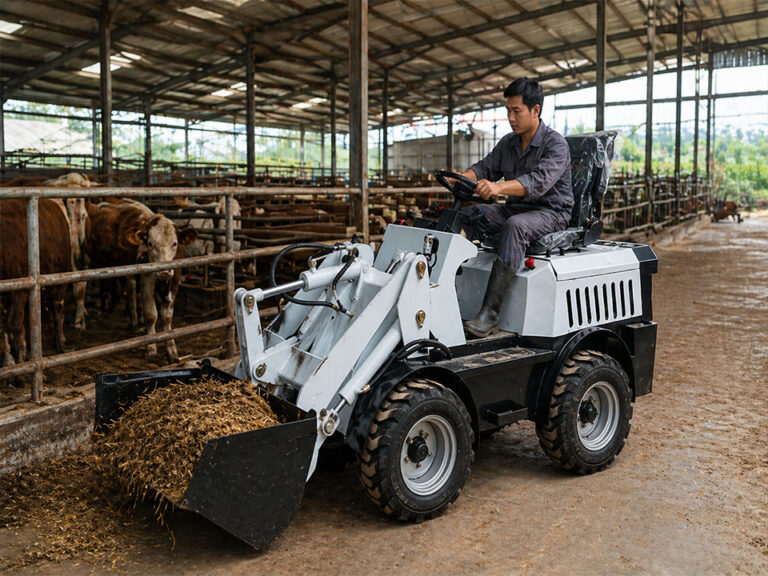
Reliable Mini Loader Manufacturer for OEM & Wholesale Equipment Buyers
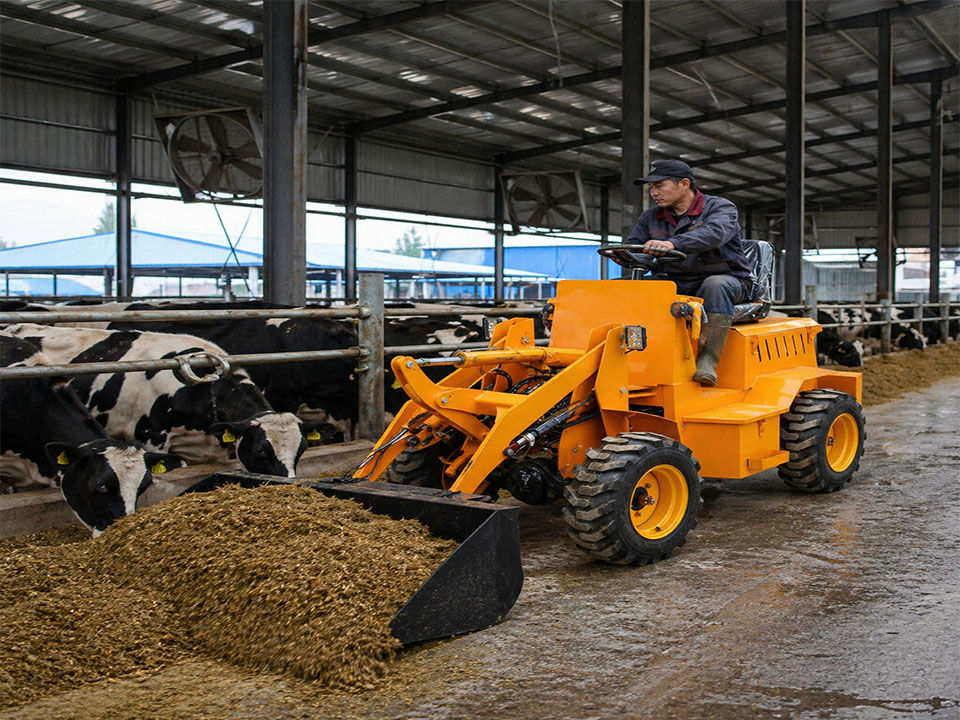
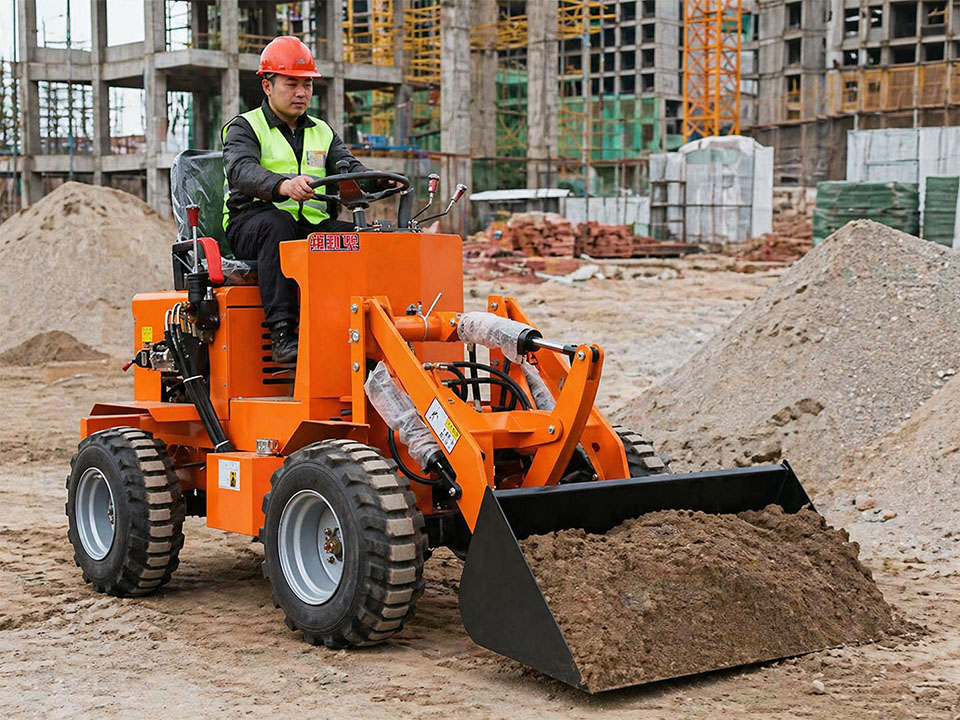
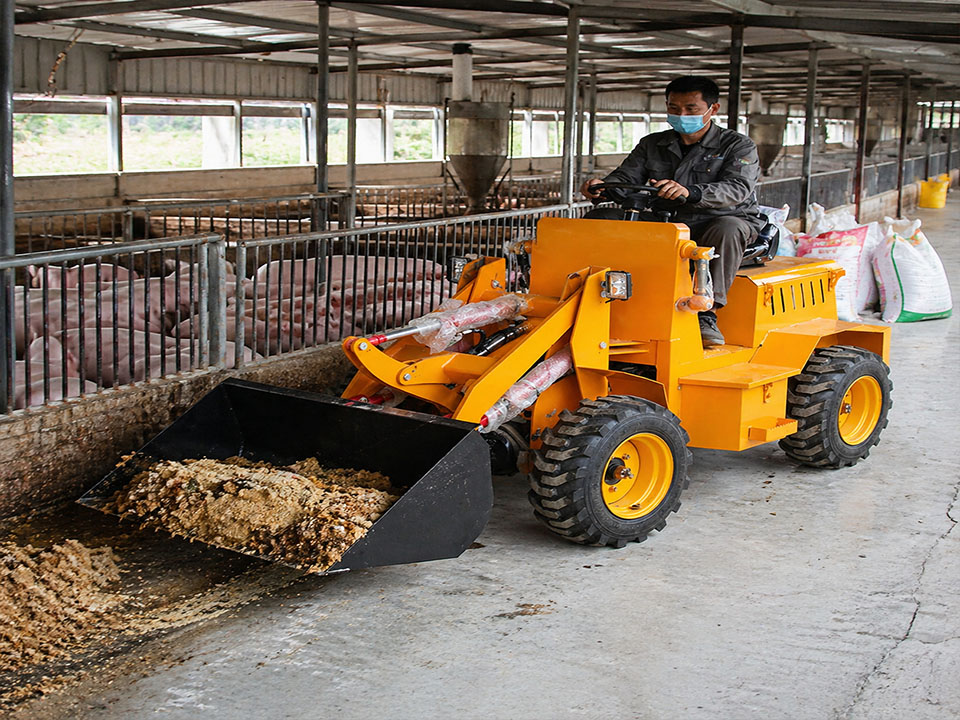
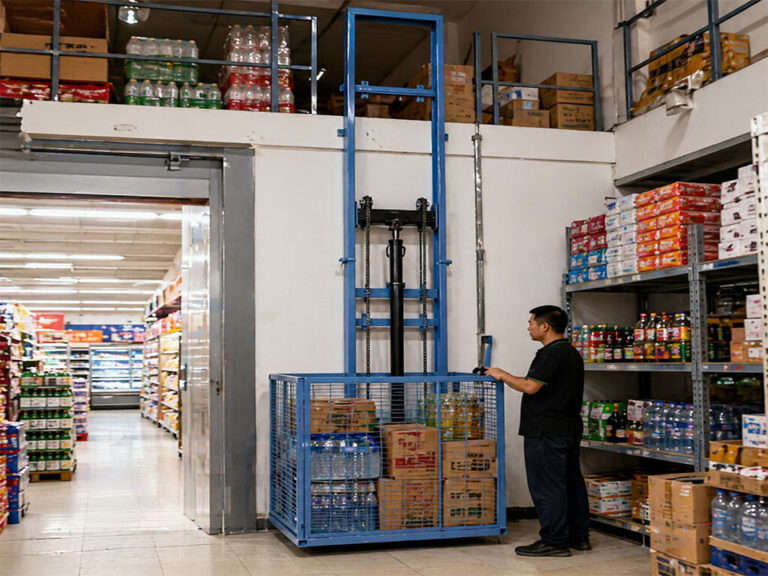
A trusted industrial equipment manufacturer helps B2B buyers source reliable machinery for construction, material handling, agriculture, landscaping, mining, and environmental applications. Since 2019, we have manufactured mini loaders, freight elevators, lift platforms, and lawn mowers for customers across Western countries, Japan, South Korea, Central Asia, Russia, and other markets.
Longyao County Yuhong Machinery Manufacturing Co., Ltd.
Since 2019
North of Xiaozhuangdong Village, Weijiazhuang Town, Longyao County, Xingtai City, Hebei Province, China
Daily Wheel Loader Maintenance Checklist for Fleet Managers in 2026
A daily wheel loader checklist is not paperwork—it is fleet risk control disguised as a routine. This guide gives fleet managers a practical 2026 inspection system for fluids, tires, hydraulics, brakes, attachments, operator notes, and maintenance records.
A loader rolls out at 7:12 a.m., one tire already a little soft, a wet patch under the lift cylinder, the operator saying “it felt fine yesterday,” and the fleet manager—already buried under truck schedules, gravel deliveries, rental returns, and two angry phone calls—waves it through because the day has to start.
Bad move.
That small leak, that lazy brake pedal, that one chewed sidewall, that warning light someone “forgot” to report—none of it stays small for long when the machine spends eight hours pushing, lifting, reversing, braking, and bouncing over bad ground.
Here’s the ugly truth: most wheel loader failures are not surprise failures. They are ignored clues with invoices attached.
In 2024, OSHA’s maximum penalty for serious and other-than-serious violations reached $16,131 per violation, while willful or repeated violations could hit $161,323 per violation.) BLS also reported 2.6 million nonfatal workplace injuries and illnesses in 2023, including 946,500 cases involving days away from work. So no, a daily checklist is not “just paperwork.” It is a risk filter.
And fleet managers who treat it like a clipboard ritual usually pay for that attitude later.
Table of Contents
The Daily Checklist Is Where Fleet Discipline Shows Up
Some fleets look organized from the office.
Color-coded spreadsheet. PM schedule. Whiteboard. Service folder. Maybe even a dashboard with green boxes everywhere.
Then you walk outside.
One machine has dried oil dust packed around a hose fitting. Another has tire wear on the outer shoulder. A third has a coupler pin that looks like it has been taking abuse for weeks. The spreadsheet says “normal.” The machine says otherwise.
I frankly believe the daily wheel loader checklist should be written for the yard, not the office. It needs grease, mud, tire numbers, photos, machine hours, and action codes. It should help a half-awake operator at sunrise and a stressed fleet manager at 4:40 p.m.
Start with the dirt under the loader, because the ground often gives you the first honest report: engine oil, coolant, hydraulic oil, fuel, brake fluid, fresh drips, old stains that got wet again, tire sag, rim damage, broken glass, a loose bolt sitting where no loose bolt should be.
That’s not drama. That’s diagnosis.
OSHA’s inspection rule for certain construction equipment says a competent person must begin a visual inspection before each shift and look for apparent deficiencies before or during the shift. Fleet managers don’t need to turn every loader check into a legal lecture, but the logic is solid: look first, run second.
Inspection Stage
What the Operator Checks
What the Fleet Manager Needs
Ground walkaround
Leaks, puddles, tire shape, loose parts
Evidence of change from yesterday
Fluids
Engine oil, hydraulic oil, coolant, transmission, brake system
Level, color, smell, repeat loss
Tires/wheels
Pressure, sidewall, tread, rims, lug nuts
PSI/bar and visible damage
Attachment
Bucket, edge, pins, coupler, forks
Safe locking and wear condition
Cab
Seat belt, horn, mirrors, lights, alarms
Safe visibility and control
Function test
Brakes, steering, lift, tilt, transmission
Real operating behavior
Final action
Pass, monitor, repair, stop-use
Owner and deadline
The loader either earns release—or it doesn’t.
Fluids: The Machine’s Quiet Confession
Hydraulic oil doesn’t lie.
Milky oil means water. Foamy oil may mean aeration. Burnt smell means heat. Glitter in the oil means metal. A level that keeps dropping means leakage, wrong filling practice, overheating, or some other problem that won’t fix itself because someone wrote “OK.”
I hate “OK.”
It’s a junk word in maintenance records. It has no temperature, no sight-glass note, no dipstick mark, no smell, no operating hours, no photo, no trend. If you write “hydraulic oil OK” and the pump fails next week, what exactly did you prove?
Use a real fluid section.
Fluid Item
Daily Check
Red Flag
Action
Engine oil
Level, color, smell, leaks
Fuel smell, sludge, metal shine
Stop and inspect before load
Hydraulic oil
Level, foam, color, hose leaks
Milky oil, burnt smell, repeated top-up
Check hoses, cylinders, breather, filter
Coolant
Level, rust, bubbles, oil film
Pressure loss, oily surface
Inspect radiator, cap, hoses
Transmission fluid
Level, smell, shift feel
Burnt smell, slow shift
Test warm under load
Brake system
Fluid level, pedal response
Long pedal, wet lines
Stop-use until checked
Fuel system
Water separator, sediment
Water, dirt, blockage
Drain, replace filter if needed
And yes, I’d make operators write numbers. Not poetry. Not “seems okay.” Numbers.
Tires: Where Money Leaks Without Oil
Tires are boring until they aren’t.
A soft tire burns fuel, chews tread, stresses the axle, makes steering uglier, and turns a normal workday into a sidewall failure if the site has stone, scrap steel, broken concrete, or sharp roots.
Fleet managers often underplay tire checks because tires feel simple. Air in. Damage out. Done.
“Outer shoulder wear, front right, photo attached”
“Normal”
Sidewall
“Minor scuff; no bulge; no exposed cord”
“Fine”
Valve stem
“Caps present, no bubble leak”
Not checked
Rim
“No crack, no bead deformation”
Not recorded
Lug nuts
“Torque marks intact, no rust trails”
“Checked”
Matching tires
“Same size and pattern on axle”
Not listed
Short version: if there’s no pressure number, the tire inspection is half-fake.
Stop Using Simple Pass/Fail
Pass/fail makes managers feel organized. It also hides risk.
A slow hydraulic seep is not the same as a burst pressure line. A cracked mirror is not the same as dead steering. A tire with mild shoulder wear is not the same as exposed cord. Yet too many forms flatten everything into one checkbox.
Use grades.
Grade
Meaning
Example
Fleet Action
A
Normal
Fluids stable, tires within spec
Release
B
Monitor
Minor seep, early tire wear
Recheck within set hours
C
Repair soon
Small leak, low pressure, active warning
Schedule repair
D
Stop-use
Brake leak, exposed cord, steering fault
Park immediately
W
Warranty/supplier review
Early abnormal failure
Collect evidence and escalate
From my experience, Grade B is where good fleets separate from sloppy fleets. Bad fleets ignore B. Good fleets track B until it becomes A—or they fix it before it becomes D.
The Actual Daily Wheel Loader Maintenance Checklist
Use this. Adjust it to your model, site, and service manual.
But don’t water it down until it becomes another dead form.
Area
Daily Check
Record Required
Stop-Use Trigger
Ground under loader
Oil, coolant, fuel, hydraulic fluid
Photo of any fresh stain
Active brake, fuel, or pressure-line leak
Engine compartment
Oil, coolant, belts, hoses, battery
Level notes and defect photos
Coolant/oil mixing, damaged belt
Hydraulic system
Reservoir, hoses, fittings, cylinders
Leak location and severity
Burst hose, fast leak, lift failure
Tires/wheels
Pressure, tread, sidewall, rims, lugs
PSI/bar per tire
Sidewall bulge, exposed cord, loose wheel
Brakes
Service brake, parking brake, pedal feel
Test result
Weak braking or fluid leak
Steering
Smooth turning, no lag/noise
Function note
Steering fault
Attachment
Bucket, pins, coupler, forks
Locking and wear status
Unlocked coupler, cracked attachment
Cab safety
Seat belt, horn, mirrors, lights, alarm
Pass/fail plus defect note
No seat belt, failed alarm
Controls/display
Gauges, warnings, joystick response
Fault code if present
Active safety warning
Documentation
Hours, operator, date, action grade
Full record
Missing report on abnormal defect
This table is not pretty. Good. Pretty checklists usually don’t survive the yard.
Service Schedule: Daily Checks Don’t Replace PM
A daily inspection catches today’s visible problems. It does not replace hour-based preventive maintenance.
This confusion causes real damage. Operators think the mechanic owns maintenance. Mechanics think operators will report early symptoms. Managers think both sides are talking. Sometimes they are. Often they aren’t.
Interval
Fleet Focus
Common Checks
Daily/pre-shift
Safety, leaks, tires, visible damage
Fluids, brakes, steering, attachment, cab safety
Weekly
Trend review and cleaning
Grease points, filters, tire wear, battery
250 hours
Early service control
Engine oil/filter, hose routing, fasteners
500 hours
Wear review
Transmission, axles, cooling, brakes
1,000 hours
Deeper inspection
Hydraulic oil condition, structural review
Post-rental/post-job
Abuse evidence
Photos, tire damage, impact marks, leaks
The exact wheel loader service schedule depends on machine model, oil grade, hours, climate, and site abuse. A loader in a clean warehouse yard is not living the same life as a loader in demolition spoil.
And if your fleet also uses a 4WD automatic remote control lawn mower robot, don’t separate the thinking too much. Different equipment, same maintenance math: hours, ground contact, vibration, blades, drive system, fluid condition, operator notes.
Records Win Warranty Fights
Warranty arguments are rarely about facts. They’re about missing facts.
Customer: “It arrived like that.” Dealer: “No, it didn’t.” Operator: “Nobody told me.” Mechanic: “I fixed it last week.” Fleet manager: “Where’s the photo?”
Exactly.
A useful daily wheel loader maintenance checklist creates a trail: delivery condition, daily findings, tire pressure, fluid level, defect grade, repair order, follow-up photo, customer sign-off if needed.
Nobody wants another “equipment care awareness” meeting.
Show operators five photos instead: sidewall bulge, milky hydraulic oil, rust trail from a loose lug, cracked hose at the bend, coupler not fully locked. Ask them one question: run, monitor, repair, or stop?
That works.
Training Topic
What Operators Must Learn
Fluid loss
Repeated top-up is a failure signal
Tire pressure
Visual inspection misses low pressure
Sidewall damage
Bulges and exposed cord mean stop
Hydraulic leaks
Location and severity matter
Brake feel
Small changes can mean danger
Warning lights
Report before reset
Attachment lock
Coupler failure is not “minor”
Photos
Good records protect good operators
Here’s my controversial take: if operators are punished for parking unsafe machines, they’ll stop reporting unsafe machines. Management creates silence, then acts shocked when silence becomes a breakdown.
Weekly Review: Where the Smart Money Is
Once a week, pull the records.
Sort by machine. Sort by operator. Sort by site. Sort by defect type. Look for repeats.
Same tire low twice? Don’t just add air. Check bead, valve, rim, puncture. Same hose rubbing? Change routing and inspect sister machines. Same site chewing sidewalls? Maybe the tire spec is wrong—or the route is stupid.
Pattern
Possible Cause
Manager Response
Same tire loses pressure
Valve, bead, rim, puncture
Repair root source
Same operator reports nothing
Underreporting
Audit machine after shift
Same site damages tires
Ground hazard
Adjust route or tire type
Same hose rubs
Routing/clamp issue
Correct and inspect fleet
Brake complaints repeat
System fault
Test immediately
Many B-grade items stay open
Weak follow-up
Assign owner and deadline
Patterns are profit. Or loss. Depends whether you read them.
FAQ
What is a wheel loader maintenance checklist?
A wheel loader maintenance checklist is a structured daily inspection tool used to confirm that fluids, tires, brakes, steering, hydraulics, attachments, cab safety items, warning systems, and service records are acceptable before the machine is released for work by operators or fleet managers.
For fleet managers, it should also show machine hours, operator name, date, defect grade, photos, repair owner, and follow-up status. Otherwise, it’s just a nice-looking form with weak memory.
What should be checked daily on a wheel loader?
Daily wheel loader checks should include engine oil, hydraulic oil, coolant, transmission fluid, tires, wheels, brakes, steering, lights, horn, backup alarm, seat belt, mirrors, bucket, coupler, pins, hoses, cylinders, leaks, warning lights, machine hours, and operator comments before operation.
Start from the ground, then walk the machine, then enter the cab, then test functions. That order catches leaks, tire damage, and visible safety problems before the machine gets busy.
How do fleet managers create a daily wheel loader maintenance checklist?
Fleet managers create a daily wheel loader maintenance checklist by listing safety items, fluid checks, tire and wheel checks, hydraulic points, attachment inspections, cab controls, functional tests, record fields, action grades, photo requirements, and stop-use triggers in one repeatable pre-shift format.
Don’t allow vague “OK” boxes everywhere. Ask for tire pressure, machine hours, defect grade, photo proof, and repair owner. Weak forms create weak reporting.
How often should wheel loader preventive maintenance be done?
Wheel loader preventive maintenance should be done daily for pre-shift safety checks, weekly for trend review and cleaning, and at hour-based service intervals such as 250, 500, and 1,000 hours depending on manufacturer guidance, site conditions, load cycle, climate, and operating severity.
Daily checks catch visible problems. Scheduled PM catches deeper wear. Fleet managers need both, or the machine will teach the lesson with downtime.
Why is tire pressure important in a wheel loader checklist?
Tire pressure is important in a wheel loader checklist because underinflation, overinflation, mismatched pressure, sidewall damage, and uneven tread wear can affect traction, stability, fuel use, drivetrain stress, operator comfort, and tire life, especially when loaders work on rough ground or carry repeated heavy loads.
Write PSI or bar by wheel position. A visual guess is not an inspection; it’s a gamble with a dirty tire.
What defects should stop a wheel loader from being used?
Defects that should stop a wheel loader from being used include brake failure, steering fault, active hydraulic pressure leak, fuel leak, exposed tire cord, tire sidewall bulge, loose wheel, failed backup alarm, missing seat belt, unlocked coupler, cracked attachment, severe fluid contamination, or any warning that affects safe operation.
And management has to back the operator. If the team gets punished for stop-use reports, they’ll hide defects until the machine hides nothing.
CTA
If your fleet still uses soft checkboxes, vague “OK” notes, and no action grades, fix the system before the next breakdown fixes your schedule for you. Build a 2026 Wheel Loader Maintenance Checklist that tracks fluids, tires, brakes, hydraulics, attachments, photos, hours, defect grades, and follow-up actions—then make it part of the morning routine, not a decoration in the cab.
Contact our equipment manufacturer to discuss mini loaders, freight elevators, lift platforms, and lawn mowers for construction, logistics, agriculture, landscaping, mining, and municipal projects. Founded in 2019, we support global B2B buyers with RFQ review, WhatsApp or email communication, sales team guidance, customization, and export-ready machinery solutions.
Company
About
Solutions
Applications
Electric Freight Elevator
Contact
Products
Mini Loader
Freight Elevator
Lift Platform
Lawn Mower
Electric Mini Loader
Contact
+86 151 0096 5355
North of Xiaozhuangdong Village, Weijiazhuang Town, Longyao County, Xingtai City, Hebei Province, China