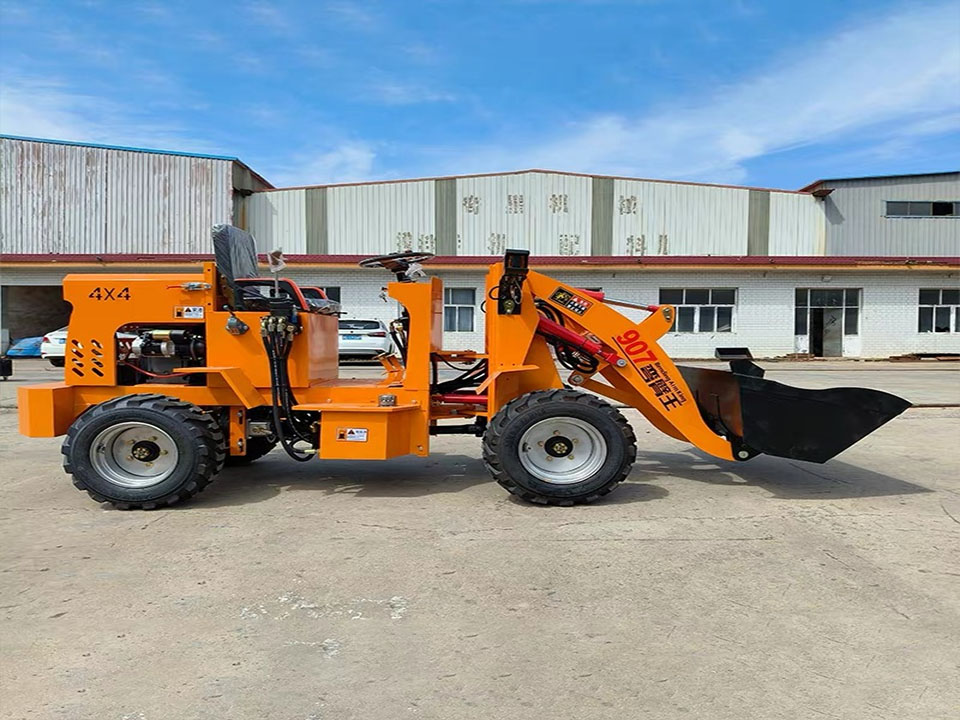
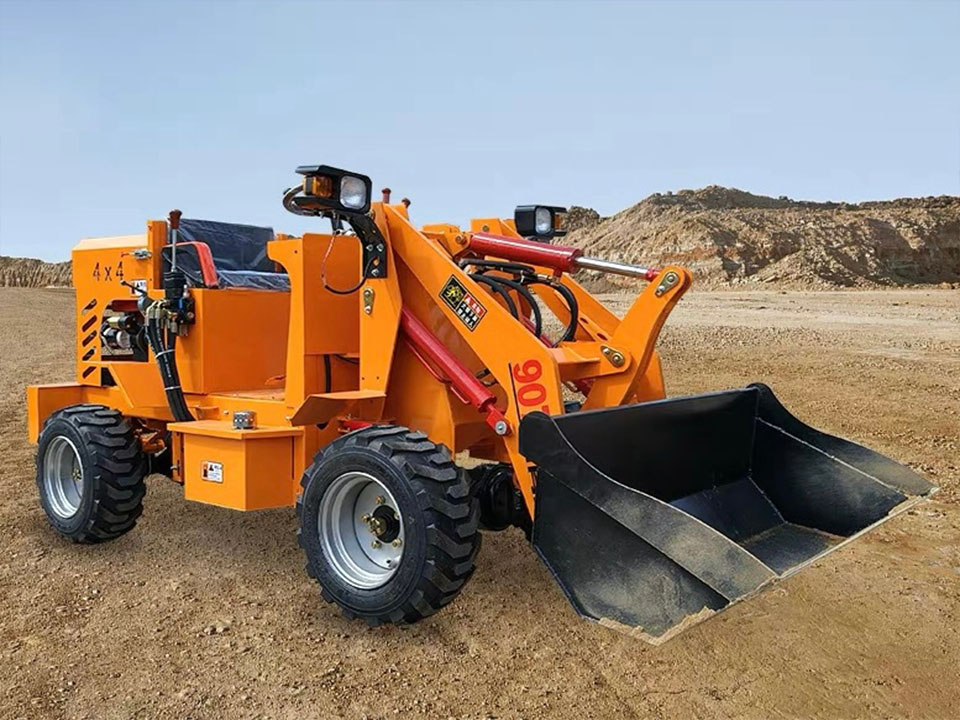
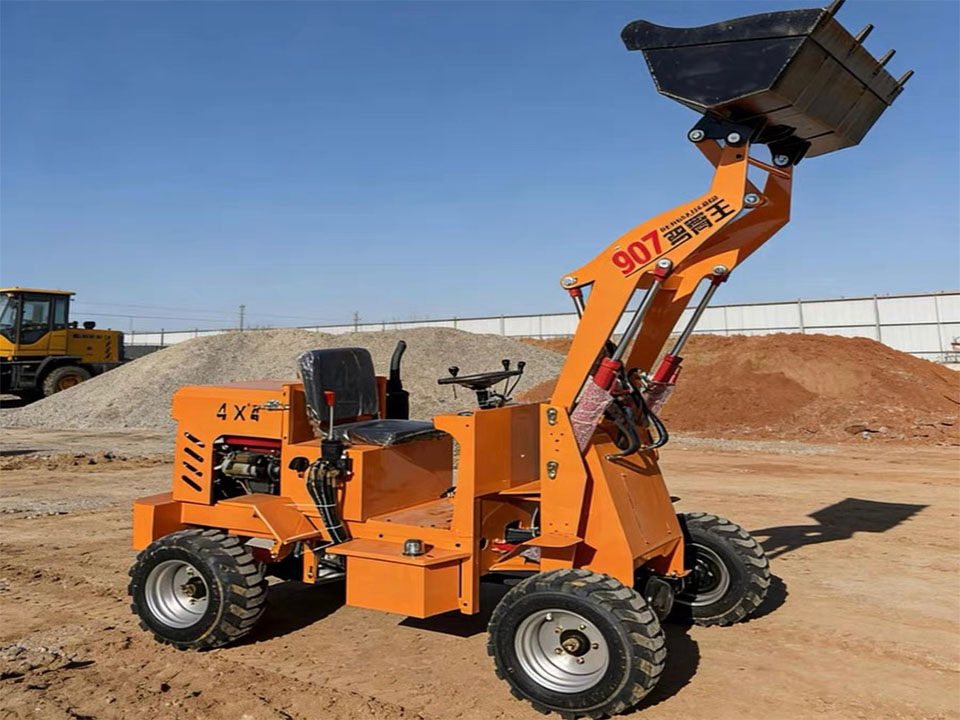
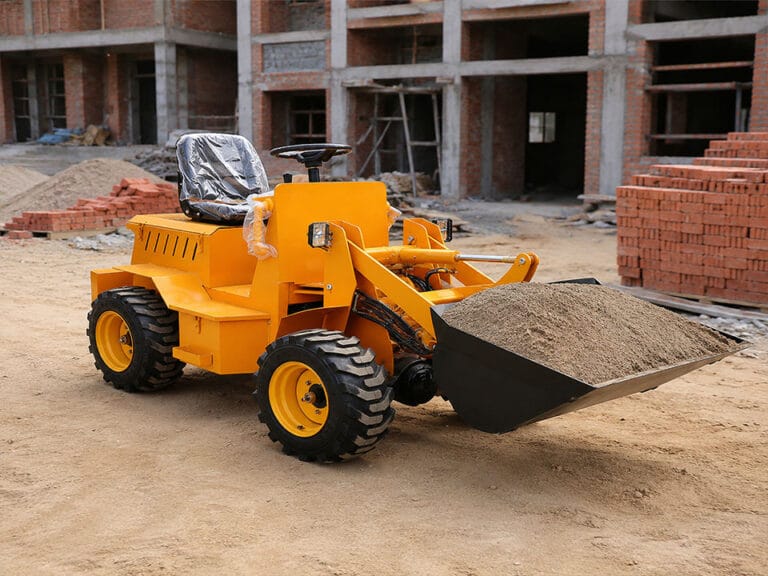
Reliable Mini Loader Manufacturer for OEM & Wholesale Equipment Buyers
A trusted industrial equipment manufacturer helps B2B buyers source reliable machinery for construction, material handling, agriculture, landscaping, mining, and environmental applications. Since 2019, we have manufactured mini loaders, freight elevators, lift platforms, and lawn mowers for customers across Western countries, Japan, South Korea, Central Asia, Russia, and other markets.
Longyao County Yuhong Machinery Manufacturing Co., Ltd.
Since 2019
North of Xiaozhuangdong Village, Weijiazhuang Town, Longyao County, Xingtai City, Hebei Province, China
Wheel Loader Daily Care Program: Standardize Checks for Rental Fleets
Rental wheel loaders fail in ugly, predictable ways: missed grease, ignored leaks, weak brakes, damaged tires, and operators who rush the first 10 minutes. This guide gives fleet managers a practical daily care program built around a repeatable Wheel Loader Maintenance Checklist, not vague “inspect before use” talk.
I know that sounds too neat for a rental yard, where operators are late, machines come back muddy, and the next customer wants the loader “right now,” but the first few minutes around a wheel loader often decide whether the day ends with billable hours or a dead machine sitting in the corner with hydraulic oil under the belly pan. So why do so many rental fleets still treat daily care like paperwork theater?
Here’s the hard truth: most wheel loader damage is not mysterious. It is boring. It is visible. And it is usually ignored until the invoice gets painful.
A proper Wheel Loader Maintenance Checklist is not just a safety sheet. It is a damage-control system for rental companies, contractors, quarry operators, farms, warehouses, and site managers who do not always control the person behind the steering wheel. The checklist has one job: make different operators check the same points, in the same order, every day.
The U.S. Bureau of Labor Statistics recorded 5,283 fatal work injuries in 2023, down 3.7% from 2022, which is a reminder that equipment safety is not some back-office formality; mobile machines sit inside a real risk chain. OSHA also states that its material-handling equipment rules apply to loaders, wheel tractors, bulldozers, graders, scrapers, and similar earthmoving machines under 29 CFR 1926.602.
But let’s bring it back to rental fleets. A loader may have five operators in one week. One treats the bucket like a hammer. One rides the brake. One never checks the air filter. One notices the hydraulic seep but says nothing because “it was already like that.” Then the rental company pays.
Table of Contents
Why Rental Fleets Need a Standard Daily Care Program
Rental fleets have a special problem: the machine earns money only when it leaves the yard, but its condition is judged by people who may not own it, maintain it, or care about its second life.
That gap is where money disappears.
A wheel loader daily inspection checklist gives the yard, mechanic, rental manager, and customer a shared language. Not “machine looks fine.” Not “operator said okay.” Actual points. Actual signatures. Actual photos if needed.
And yes, I call it abuse because that is often what it is.
The Ugly Cost of “Quick Visual Checks”
Most rental yards already say they inspect machines. Fine. But what does that mean?
A walkaround without a fixed sequence is not an inspection. It is a glance.
A real heavy equipment daily checklist must force the operator to slow down at failure points: tires, wheel nuts, articulation joint, pins, hydraulic cylinders, hoses, coolant, engine oil, transmission oil, brake response, steering response, warning lights, backup alarm, seat belt, glass, lights, bucket edge, and grease points.
OSHA’s struck-by construction guidance says roughly 75% of struck-by fatalities involve heavy equipment such as trucks or cranes, and NIOSH reported in April 2024 that struck-by injuries are the leading source of nonfatal injuries and the second most common source of fatalities among construction workers. That does not mean every loader incident starts with a missed checklist. But it does mean machine condition, visibility, alarms, brakes, and site control deserve more respect than they usually get.
I frankly believe rental companies should stop calling these sheets “maintenance forms.” That sounds optional. Call them release controls.
Build the Wheel Loader Maintenance Checklist Around Failure Zones
The checklist should follow how the machine actually fails. Not how the office wants the form to look.
Start outside. Then fluid points. Then cab. Then function test. Then documentation.
A wheel loader is not just an engine and bucket. It is a steering pivot, hydraulic system, brake system, cooling package, transmission, axle set, electrical harness, operator station, and working tool carrier all vibrating together in dust, mud, heat, and careless loading cycles.
For rental work, I would divide the loader pre-start inspection into six zones.
Brakes, steering, lift/lower, tilt, park brake, transmission response
Catches defects before the loader reaches people, trucks, or ramps
Weak brakes, steering lag, uncontrolled movement
This is not complicated. That is the point.
The 10-Minute Daily Sequence I Would Force Every Yard to Use
The rental yard should not ask operators to “inspect the loader.” Too loose. Give them a sequence.
First, park on level ground. Bucket down. Transmission neutral. Parking brake set. Engine off before checking fluid areas. OSHA’s equipment rule says end-loader buckets and similar equipment must be lowered or blocked when being repaired or not in use, with controls neutral, motors stopped, and brakes set unless the work requires otherwise.
Then walk left to right. Always the same direction. Humans forget less when the pattern never changes.
Check tires before fluids. Why? Because tire damage is easy to see before the operator gets distracted by oil caps and dipsticks. Look for sidewall cuts, missing valve caps, loose wheel nuts, rim cracks, and uneven pressure. In rental fleets, tire abuse tells the story of the last jobsite.
Next, look at the bucket and arms. Cutting edge bolts. Tooth adapters. Welds. Tilt linkage. Lift pins. Grease purge. A dry pin is not a small thing; it is a future repair order pretending to be dust.
Then hydraulics. Wipe suspicious hose sections. Do not use your hand to find leaks. High-pressure hydraulic injection is nasty, and anyone who has seen the aftermath does not joke about it. Look for wet fittings, cracked outer hose covers, hose rub points, damaged cylinder rods, and low hydraulic oil.
After that, open the engine compartment. Engine oil. Coolant. Air filter restriction indicator. Radiator clogging. Belt tension. Battery terminals. Dust matting on the cooling package. I have seen loaders overheat not because the engine was weak, but because nobody treated packed radiator fins as a rental fleet problem.
Finally, cab and function test. Seat belt first. Horn. Lights. Mirrors. Backup alarm. Camera if fitted. Warning lights. Brake pedal feel. Park brake hold. Steering response. Lift, lower, dump, rollback.
No drama. Just discipline.
Paper Checklist vs App Checklist for Rental Fleets
Paper still works. Sometimes.
But paper also gets lost, filled at the end of the shift, copied from yesterday, or signed without a walkaround. I do not worship apps, but I trust timestamped photos more than a perfect row of check marks written in the same pen.
If a rental customer damages a loader and the file has before-rental photos, hour meter reading, tire condition, bucket edge condition, and signed release notes, the conversation changes. Quickly.
Standardize Checks by Machine Class, Not by Brand Alone
A compact loader, mid-size wheel loader, and heavy quarry loader should not share the same shallow form. That is lazy.
The base structure can be shared, but inspection intensity should change by class and application. A loader working in mulch, feed, and light material does not wear like one loading crushed stone. A rental fleet serving farms, municipal work, landscaping, and construction should adjust the checklist by risk profile.
This is where many fleets miss the point. They organize care by brand. I would organize by punishment.
A site using loaders alongside rough-terrain robotic mowers, for example, may need a wider equipment care protocol covering slope exposure, dust loading, impact risk, and operator visibility. Machines like a remote control all terrain 4WD lawn mower robot or a remote control 4WD lawn mower for rough terrain use are not wheel loaders, but they face the same owner headache: different users, rough ground, and preventable damage.
The Defect Rating System: Green, Amber, Red
Do not let operators decide severity with long explanations. Use three colors.
Green means safe to operate. Amber means operate only with supervisor approval and repair scheduled. Red means stop-use, lockout, and mechanic review.
Simple wins.
Here is the version I would use for a rental fleet.
Defect Level
Meaning
Example
Action
Green
Normal wear, no safety or uptime risk
Minor paint damage, normal tire scuffing
Record and release
Amber
Watch item, repair soon, limited risk today
Small seep at fitting, worn cutting edge, weak wiper
Supervisor approval before release
Red
Safety or major damage risk
Brake fault, active hydraulic spray, cracked arm, missing wheel nut
Stop-use and tag machine out
Red defects must be non-negotiable. If the customer screams, let them scream. A loader with weak brakes is not a customer service problem; it is a management failure waiting for a lawyer.
Wheel Loader Preventive Maintenance: Daily Checks Feed the Bigger Schedule
Daily care is not the same as full preventive maintenance. It feeds it.
A good wheel loader preventive maintenance plan uses daily inspections to trigger weekly, 250-hour, 500-hour, 1,000-hour, and annual work. The daily checklist catches symptoms. The PM schedule corrects causes.
Do not bury daily notes in a folder. Review them weekly. Look for patterns:
Hydraulic seep on the same model. Repeated overheating on dusty jobs. Tire cuts from demolition customers. Loose bucket hardware after quarry rentals. Brake complaints after hill work. These patterns tell you where your fleet is bleeding money.
And please, do not ignore hour meters. A machine rented for “three days” may run 31 hours. Another may run 4. Calendar-based care alone lies.
The Rental Handover Inspection Nobody Likes but Everyone Needs
The most uncomfortable inspection is the return inspection. That is why it matters.
At return, compare the outgoing checklist against the incoming condition. Use photos. Check hour meter. Check fuel level. Check attachments. Check damage points customers commonly “forget” to mention.
I would also add one line many rental companies avoid: “Customer confirms machine was operated within rated use and not used for pulling, prying, lifting suspended loads, or pushing beyond intended bucket work.”
Will every customer read it? No.
But when damage appears, your paperwork finally has teeth.
How to Standardize Daily Checks for Wheel Loaders Across Branches
Start with one master form. Then lock it.
Branch managers love adding their own little changes. Stop that. If every branch modifies the rental fleet maintenance checklist, the company loses comparable data. You want branch A, B, and C reporting defects in the same categories.
Use one defect code list. Use the same color ratings. Use the same photo rules. Use the same stop-use triggers. Use the same daily sign-off roles.
Then audit the audits.
Once a week, choose five completed inspections at random. Ask one mechanic to verify whether the forms match actual machine condition. If the forms are perfect but the machines are not, you do not have a maintenance problem. You have a honesty problem.
FAQ
What is a Wheel Loader Maintenance Checklist?
A Wheel Loader Maintenance Checklist is a standardized daily inspection form used to confirm that a wheel loader’s tires, hydraulics, brakes, steering, fluids, lights, alarms, bucket, pins, and safety systems are checked before operation, especially in rental fleets where different operators may use the same machine. It turns vague walkarounds into repeatable evidence.
For rental companies, the checklist should also record hour meter, customer name, machine ID, photos, defect level, and release approval. That is how the form becomes more than a safety habit; it becomes a damage-control record.
How often should a wheel loader daily inspection checklist be completed?
A wheel loader daily inspection checklist should be completed before each shift or rental release so the operator and fleet manager can catch visible defects before the machine enters work, traffic zones, loading areas, ramps, or customer-controlled jobsites. The timing matters because defects often appear between rental cycles.
In high-dust, quarry, demolition, snow, farm, or multi-shift work, I would add a mid-shift fluid, tire, and cooling-package check. Dirt does not respect office schedules.
What should be included in a loader pre-start inspection?
A loader pre-start inspection should include tires, wheel nuts, rims, bucket, cutting edge, pins, bushings, hydraulic hoses, cylinders, engine oil, coolant, transmission response, steering, service brakes, parking brake, lights, mirrors, horn, backup alarm, seat belt, cab glass, warning lamps, and visible leaks. It should follow one fixed sequence.
The mistake is making the form too pretty and too weak. A good checklist uses stop-use triggers, not just empty checkboxes.
Why is a rental fleet maintenance checklist different from a normal owner checklist?
A rental fleet maintenance checklist is different because the machine is used by multiple operators, across different sites, with different skill levels and different incentives, so the form must protect the owner against hidden damage, unsafe release, customer disputes, and inconsistent branch procedures. It needs proof, not trust.
That means photos, signatures, timestamps, hour meter readings, fuel notes, and return inspections should be part of the process. Rental machines live rougher lives.
What defects should stop a wheel loader from being rented out?
Defects that should stop a wheel loader from being rented out include brake faults, steering problems, active hydraulic spray leaks, cracked loader arms, missing wheel nuts, damaged tires with exposed cord, non-working backup alarms, severe fluid loss, overheating, unsafe cab glass, or warning lights linked to major systems. These are red defects.
Do not negotiate red defects with customers. A missed rental is cheaper than a machine failure, site injury, or damage dispute.
How can rental companies standardize daily checks for wheel loaders?
Rental companies can standardize daily checks for wheel loaders by using one company-wide checklist, one defect rating system, one photo rule, one stop-use policy, and one weekly audit process across every branch, machine class, and customer handover. Standardization makes inspection data comparable instead of random.
The best system is boring on purpose. Same order. Same terms. Same sign-off. Same consequences.
CTA
If your rental fleet still depends on loose walkarounds and handwritten notes nobody reviews, fix that before buying another machine. Build one Wheel Loader Maintenance Checklist, train every operator and yard worker to use it, and make red defects stop the rental automatically. For mixed equipment operations that also manage rough-terrain machines, compare your loader care rules with the same disciplined inspection mindset used for a remote control 4WD brush cutter lawn mower robot. The machine type changes. The rule does not: check it before it costs you.
Contact our equipment manufacturer to discuss mini loaders, freight elevators, lift platforms, and lawn mowers for construction, logistics, agriculture, landscaping, mining, and municipal projects. Founded in 2019, we support global B2B buyers with RFQ review, WhatsApp or email communication, sales team guidance, customization, and export-ready machinery solutions.
Company
About
Solutions
Applications
Electric Freight Elevator
Contact
Products
Mini Loader
Freight Elevator
Lift Platform
Lawn Mower
Electric Mini Loader
Contact
+86 151 0096 5355
North of Xiaozhuangdong Village, Weijiazhuang Town, Longyao County, Xingtai City, Hebei Province, China