Reliable Mini Loader Manufacturer for OEM & Wholesale Equipment Buyers
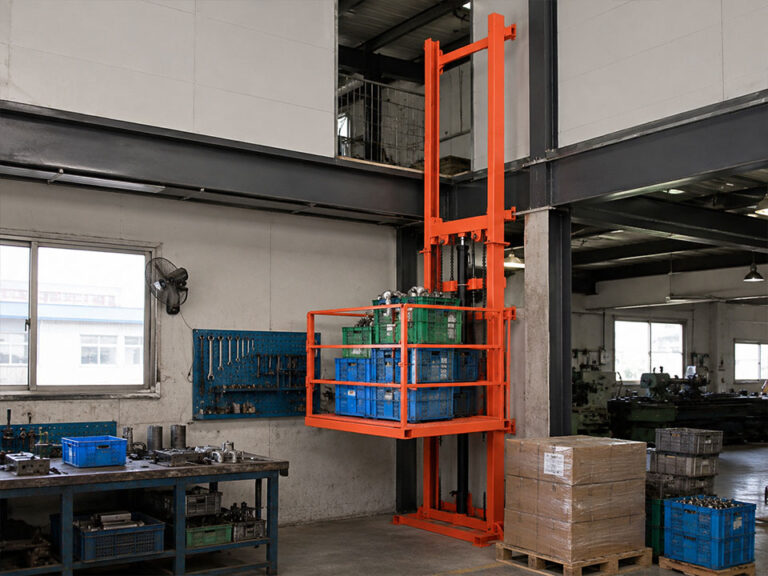
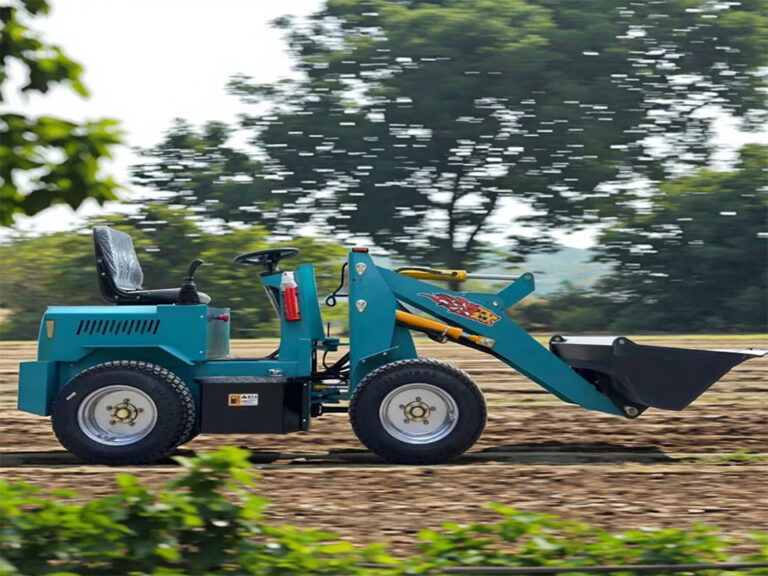
A trusted industrial equipment manufacturer helps B2B buyers source reliable machinery for construction, material handling, agriculture, landscaping, mining, and environmental applications. Since 2019, we have manufactured mini loaders, freight elevators, lift platforms, and lawn mowers for customers across Western countries, Japan, South Korea, Central Asia, Russia, and other markets.
Longyao County Yuhong Machinery Manufacturing Co., Ltd.
Since 2019
North of Xiaozhuangdong Village, Weijiazhuang Town, Longyao County, Xingtai City, Hebei Province, China
Hydraulic Leak Inspection Checklist: Reduce Heat Damage for B2B Buyers
This guide gives B2B buyers a practical hydraulic leak inspection checklist for reducing heat damage, oil loss, fire exposure, and emergency downtime. It explains what to inspect, what failures mean, and why “minor sweating” around hoses is often not minor at all.
A dark spot under a machine, a wet ring around a hose crimp, that faint burnt-oil smell after two lifting cycles—these are not “small maintenance issues,” they’re the machine whispering that pressure, heat, air, and bad assembly habits are already having a private fight inside the hydraulic circuit. So why do buyers still inspect paint before oil?
I’ll say it bluntly: a Hydraulic Leak Inspection Checklist is not a nice PDF for the folder. It’s a buyer’s lie detector. In B2B equipment—remote-control mowers, cargo lifts, lifting platforms, warehouse machines, loader attachments—the hydraulic system is where cheap parts usually confess.
OSHA’s old hydraulic systems bulletin still hits hard because the physics didn’t age: petroleum hydraulic oil can get hot during operation, and OSHA lists typical petroleum hydraulic-fluid flash points around 300–600°F with auto-ignition temperatures around 500–750°F. The same bulletin says hoses, tube lines, and fittings should be inspected periodically, especially where leakage, blistering, abrasion, or bad joints appear.
Table of Contents
Search Intent: What This Buyer Is Really Looking For
Commercial, but disguised as informational.
The buyer typing “Hydraulic Leak Inspection Checklist” is probably not reading for fun. They may be preparing a supplier audit, writing a receiving checklist, training a maintenance crew, or trying to avoid the miserable after-sales argument that starts with, “It was fine when we shipped it.”
And here’s the ugly truth: most buyers don’t want a checklist. They want leverage.
Before deposit payment, a checklist gives leverage. Before shipment, it gives evidence. After the machine arrives leaking, it becomes a complaint document—and that’s a weaker position.
Why “Minor Seepage” Is a Dangerous Phrase
I hate that phrase.
“Minor seepage” sounds harmless, like dust on a control panel, but in a hydraulic system it can mean oil loss, suction-side air entry, pump cavitation, higher running temperature, seal hardening, weak cylinder response, and—if the leak becomes spray or mist—fire exposure near engines, electrical boxes, batteries, or hot exhaust surfaces.
Tiny leak. Big bill.
OSHA described a cotton baler case where a hydraulic system had been modified from 3,000 psi to 5,000 psi without replacing hoses rated for the higher pressure; the failed coupling discharged hydraulic fluid, created a short in a 440 V electrical power line, and produced a fatal fireball. That is not “maintenance trivia.” That is procurement-level evidence.
The Buyer’s Hydraulic Leak Inspection Checklist
Use this before shipment, during receiving inspection, after the first 50 hours, and any time operators mention slow movement, whining pumps, oil smell, or abnormal heat. For equipment such as a remote control 4WD lawn mower with gas engine power, I’d pay extra attention to vibration zones, pump mounting points, hose bends, and engine-bay heat.
Inspection Point
What to Check
Warning Sign
Buyer Action
Hose surface
Abrasion, cracking, blistering, wet spots
Oil film, bulging, rubber dust
Request hose replacement before shipment
Hose crimp area
Metal sleeve and rubber joint
Wet ring, dark dust, oil sweating
Reject “just tighten it” explanations
Fittings
Threaded joints, elbows, adapters
Fresh oil line, loose nut, staining
Ask for torque check and pressure test
Cylinders
Rod seal, gland nut, chrome rod
Oil streak, pitting, dust stuck to oil
Check seal quality and rod finish
Pump area
Shaft seal, case drain, suction line
Foam in oil, whining sound, hot casing
Inspect suction leaks and oil level
Reservoir
Oil level, breather, cap, return flow
Low oil, burnt smell, milky oil
Verify oil grade and contamination control
Valve block
Spool seals, plugs, relief valve area
Heat marks, seepage, jerky movement
Run full-load function test
Cooler/radiator
Airflow, fins, oil cooler lines
Dust clogging, oily dirt, high temp
Clean, test, then recheck temperature
Under-machine floor
Drip pattern after parking
Fresh oil beneath frame
Photograph and trace source
Operating temperature
Oil temp after load cycle
Rising heat after short work
Stop test and inspect pressure settings
Do the Cold Check First—Then Make It Sweat
A cold machine tells you yesterday’s sins.
Oil stains, hose rub marks, lazy cleaning, scratched cylinder rods, poor clamps, and fittings that already look damp will usually show before the machine even starts. But the hot test is where the supplier’s story either stands up or falls apart.
Run it. Load it. Pause it.
For tracked machines like a heavy-duty remote control tracked flail mower for slopes, the hydraulic leak detection checklist needs to include slope vibration, brush impact, hose guard damage, and routing near track frames. Flat workshop testing is polite. Real slope work is rude.
And don’t use your hand to “feel” for a leak. OSHA accident records include a forklift mechanic who was inspecting a running hydraulic system when damaged hose released fluid into his finger, requiring hospitalization and surgery.
Leak Type vs. Heat Damage Risk
Not every leak is dramatic. That’s the trap.
A suction leak may not drip much, but it can pull air into the pump and cook the system. A cylinder rod seal leak may look slow, yet it often points to scoring, dirt ingress, or poor seal material. A spray leak is obvious—and dangerous—but internal leakage can quietly turn pressure into heat while the buyer keeps blaming “weak motor power.”
Leak Type
Common Location
Heat Damage Risk
What It Usually Means
Static seepage
Fittings, plugs, tank joints
Medium
Poor sealing, vibration loosening, weak assembly control
Dynamic leak
Cylinder rod, motor shaft, pump seal
High
Seal wear, shaft misalignment, rod damage
Spray leak
Pin-hole hose failure, cracked tube
Very High
Unsafe pressure release, hose fatigue, abrasion
Suction leak
Pump inlet hose, clamps, reservoir line
Very High
Air entering system, foaming, cavitation, pump heat
Internal leak
Valve spool, cylinder piston seal
High
Slow movement, heat rise, weak lifting force
Return-line leak
Filter housing, cooler, return hose
Medium
Backpressure, poor routing, loose clamps
The Supplier Video Trick Nobody Likes Discussing
Some sellers clean the machine before filming.
I know, shocking.
The video starts after the floor has been wiped, the pump has cooled, and the machine has been run just long enough to look alive but not long enough to reveal thermal creep. Then the buyer sees one lift, one turn, one reverse movement, maybe a smiling operator. Wonderful. Also almost useless.
For a dual mast mobile lifting platform for material handling, ask for a continuous hot-run video: cold start, oil level close-up, repeated lifting cycles, full-height hold, lowering test, pump station close-up, cylinder rod inspection, floor inspection, and then fitting close-ups after the machine has rested.
No cuts. No music. No beauty shots.
Hydraulic Hose Inspection: Where I Start
Hoses fail at boring places.
Crimps. Bend points. Clamp edges. Frame contact. Twisted routing. Areas where a hose looks “almost fine” until vibration turns almost fine into a pin-hole leak. On rough-terrain equipment like the XT-800CB remote control track lawn mower for rough terrain, I’d inspect hose sleeves, track-side exposure, blade-drive hydraulic lines, and engine heat shielding before I even discuss color options.
Ask for hose pressure rating. Ask for burst pressure. Ask for bend radius. Ask whether the supplier uses ISO VG 46 or ISO VG 68 hydraulic oil for the target climate. Ask for filter micron rating. Ask for relief valve pressure. If they answer vaguely, that tells you something.
Usually enough.
Cargo Lifts Hide Leaks Differently
A cargo lift may not leave a dramatic spray mark.
It may drift down slowly. It may lift unevenly. It may heat the pump station after repeated cycles. It may leave oil near the cylinder base after the platform returns to the floor. That’s why a towable hydraulic cargo lift platform for material handling needs a different inspection rhythm from a mower or loader.
Check the cylinder gland. Check the hose bend at the mast or scissor pivot. Check the emergency lowering valve. Check the tank welds. Check the breather. Check the oil cooler if one is fitted. And please—don’t ignore the pump sound. A whining hydraulic pump is not “normal factory noise.” It’s often air, restriction, low oil, or bad suction plumbing asking for money.
Heat Damage Is a Chain, Not an Event
Here’s how the failure usually walks in.
A fitting sweats. Dust sticks. Oil level drops a little. The pump runs warmer. Seals harden. Internal leakage grows. The relief valve works longer. Cycle speed drops. Operators push harder because the job still needs to move. Then the system overheats, and everyone acts surprised.
It wasn’t sudden.
BLS reported 2.6 million nonfatal workplace injuries and illnesses in private industry for 2023, including 946,500 cases involving days away from work. That statistic is broad, yes, but it frames the bigger point: machinery faults, maintenance shortcuts, and hazardous-energy mistakes don’t live in separate boxes. They meet on the shop floor.
Inspection Frequency for B2B Equipment Fleets
A checklist that sits in the office is decoration.
The operator needs a short version. The supervisor needs photos. The maintenance team needs temperature, pressure, oil, and filter records. Buyers need supplier evidence before shipment. Different people, different checklist depth.
Temperature trend, filter condition, full-load cycle test
Maintenance team
Maintenance log
Quarterly
Pressure test, relief setting, cooler cleaning
Technician
Signed service report
Pre-shipment
Full leak inspection after hot running
Supplier QC
Video + checklist
After repair
Leak recheck after load cycle
Mechanic
Repair closeout record
OSHA’s hydraulic-fracturing safety guidance gives a useful rule even outside oilfield work: inspect and repair equipment if leaks or damage are found before continuing, and don’t hammer on pressurized lines. For B2B buyers, translate that into purchasing language: stop the test, document the leak, repair it, then retest under load.
The Unsafe Habit: Touching Pressurized Problems
But maintenance people do it anyway.
They see oil, grab a rag, reach toward a hose, tighten a fitting, or tap a connection because the machine “just needs to finish today’s job.” That thinking gets people hurt. OSHA’s electric power rule discussion says workers should not use their bodies to locate or stop hydraulic leaks and that pressure should be released before breaking connections unless suitable quick-acting, self-closing connectors are used.
I’m opinionated about this: buyers should ask suppliers how service access is designed. If a hose, valve block, or cylinder port can only be reached by putting hands near pinch points or hot surfaces, the machine may be cheap for a reason.
Supplier Red Flags During Hydraulic Inspection
Watch the behavior, not just the machine.
If the supplier avoids close-ups of the pump station, that’s data. If they won’t run the machine hot, that’s data. If they blame every leak on “shipping vibration,” that’s data too. Shipping vibration can loosen fittings, sure—but it doesn’t excuse poor hose routing, under-rated hoses, bad clamps, or a dirty hydraulic tank.
Ask for:
Oil grade and tank capacity Hose pressure rating and burst pressure Relief valve setting Filter micron rating Cylinder seal material: NBR, PU, or FKM Full-load cycle test video Post-test close-ups of fittings and cylinder rods Photos before cleaning Pump temperature after repeated operation Written correction report if leakage is found
If the supplier sends only polished photos, push back.
What a Pass Actually Looks Like
A good machine is boring after the test.
Dry fittings. Clean cylinder rods. No foamy oil. No burnt smell. No fresh stain under the pump station. No jerky lifting. No whining pump. No temperature spike after a reasonable duty cycle. No wet hose crimp. No oil mist. No “wait, let me wipe that first.”
That’s the standard.
The National Safety Council reported OSHA’s preliminary FY 2024 Top 10 violations, including Lockout/Tagout with 2,443 violations and Powered Industrial Trucks with 2,248 violations. Hydraulic leak inspection is not the same category, but it sits close to the same dangerous habits: servicing energized equipment, ignoring warning signs, and treating machine risk like paperwork.
FAQ
What is a hydraulic leak inspection checklist?
A hydraulic leak inspection checklist is a structured inspection tool used to find oil leakage, hose damage, seal failure, fitting seepage, overheating risk, and pressure-system defects before hydraulic equipment enters full operation or before a B2B buyer accepts shipment.
In practice, it should cover hoses, fittings, cylinders, pumps, reservoirs, valve blocks, oil coolers, floor drip patterns, oil condition, and hot-load running behavior. I’d use it before deposit, before shipment, during receiving, and after early working hours.
How do hydraulic leaks cause heat damage?
Hydraulic leaks cause heat damage by reducing oil volume, pulling air into the system, increasing pump strain, weakening seals, raising friction, and forcing pressure-control components to work harder until fluid temperature, oxidation, and internal leakage begin feeding each other.
The signs are usually ugly but clear: burnt smell, foamy oil, slow cylinders, weak lifting, pump whine, valve heat, and darkened hydraulic fluid. Don’t call that “normal break-in.” It’s not.
How often should B2B teams inspect hydraulic leaks?
B2B teams should inspect hydraulic leaks daily at operator level, weekly with supervisor photo checks, monthly through maintenance records, and quarterly with deeper technical review covering pressure, filters, oil temperature, hose wear, and full-load cycle behavior.
Daily checks catch floor drips. Weekly checks catch abrasion. Monthly checks catch heat trends. Quarterly checks catch deeper system weakness. Pre-shipment checks protect the buyer before the balance payment leaves the account.
What is the safest way to check a suspected hydraulic leak?
The safest way to check a suspected hydraulic leak is to release pressure, keep skin away from suspected spray points, use cardboard or paper to locate leakage, wear proper protection, and treat pin-hole leaks as injection hazards rather than ordinary oil stains.
Never use fingers to find leaks. Never casually tighten a pressurized fitting. Never ignore a small puncture injury from hydraulic oil. That tiny wound can become a serious medical case.
What should buyers demand from suppliers before shipment?
Buyers should demand a hot-run leak inspection video, close-up photos after testing, full-load cycle proof, oil grade confirmation, hose pressure ratings, filter data, relief valve settings, cylinder seal details, and a written correction report for any leakage found.
A supplier who refuses a post-test close-up is giving you an answer. Maybe not the one you wanted, but an answer all the same.
Final Word for B2B Buyers
A hydraulic leak is never just oil.
It’s evidence—of assembly quality, service access, hose selection, seal material, heat control, and supplier honesty. So don’t buy only by load capacity, engine power, platform height, or a clean paint job. Ask for the hydraulic proof.
Run it hot. Inspect it dirty. Photograph everything.
Because once the machine lands with a leak, the cheap problem becomes an expensive argument.
Contact our equipment manufacturer to discuss mini loaders, freight elevators, lift platforms, and lawn mowers for construction, logistics, agriculture, landscaping, mining, and municipal projects. Founded in 2019, we support global B2B buyers with RFQ review, WhatsApp or email communication, sales team guidance, customization, and export-ready machinery solutions.
Company
About
Solutions
Applications
Electric Freight Elevator
Contact
Products
Mini Loader
Freight Elevator
Lift Platform
Lawn Mower
Electric Mini Loader
Contact
+86 151 0096 5355
North of Xiaozhuangdong Village, Weijiazhuang Town, Longyao County, Xingtai City, Hebei Province, China