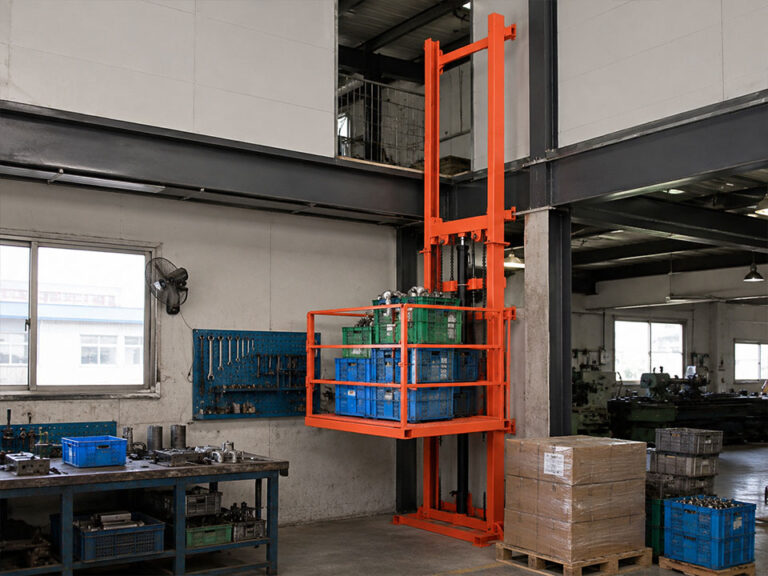
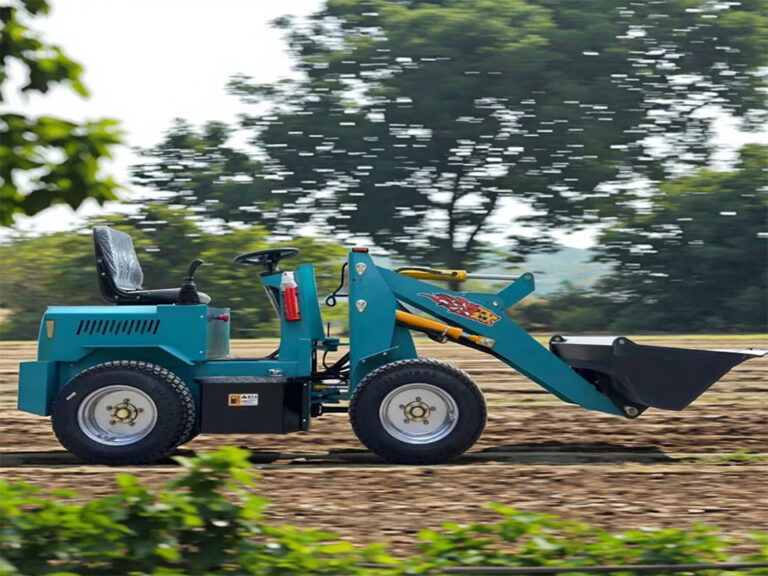
Reliable Mini Loader Manufacturer for OEM & Wholesale Equipment Buyers
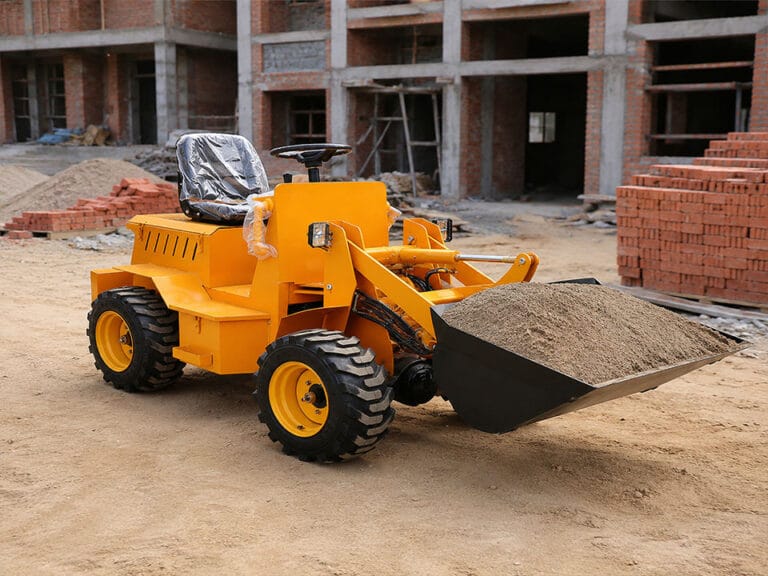
A trusted industrial equipment manufacturer helps B2B buyers source reliable machinery for construction, material handling, agriculture, landscaping, mining, and environmental applications. Since 2019, we have manufactured mini loaders, freight elevators, lift platforms, and lawn mowers for customers across Western countries, Japan, South Korea, Central Asia, Russia, and other markets.
Longyao County Yuhong Machinery Manufacturing Co., Ltd.
Since 2019
North of Xiaozhuangdong Village, Weijiazhuang Town, Longyao County, Xingtai City, Hebei Province, China
B2B Equipment Recordkeeping Guide to Standardize Records for Importers
Importers don’t lose money because one invoice disappears; they lose money because nobody can prove what happened. This guide shows how to standardize equipment maintenance records, B2B equipment documentation, and import documentation before customs, warranty, or dealer disputes expose the mess.
Then, three months later, the buyer asks for the serial number photo, packing list revision, hydraulic leak inspection checklist, invoice copy, HS code note, and pre-shipment video—and suddenly your “simple order” turns into a dirty little office fire that nobody wants to own.
Who approved the change?
That’s the real question behind equipment recordkeeping. Not “where is the PDF?” Not “did we send the invoice?” The real question is: can your company prove what was sold, what was tested, what was packed, and what was handed to the importer before the machine left your yard?
I frankly believe a lot of B2B equipment suppliers lose trust not because their machines are bad, but because their records look like a pile of screenshots, WeChat messages, random Excel files, and photos named “IMG_8392.” Ugly truth. Importers notice.
CBP’s recordkeeping rules under 19 CFR Part 163 generally require import-related records to be kept for 5 years from the date of entry, with some exceptions for certain document types.
Table of Contents
Importers Don’t Buy Machines Only. They Buy Proof.
But here’s the part many factories still pretend not to see: an importer isn’t only judging the steel, engine, platform height, blade system, or hydraulic pump.
They’re judging the paper trail.
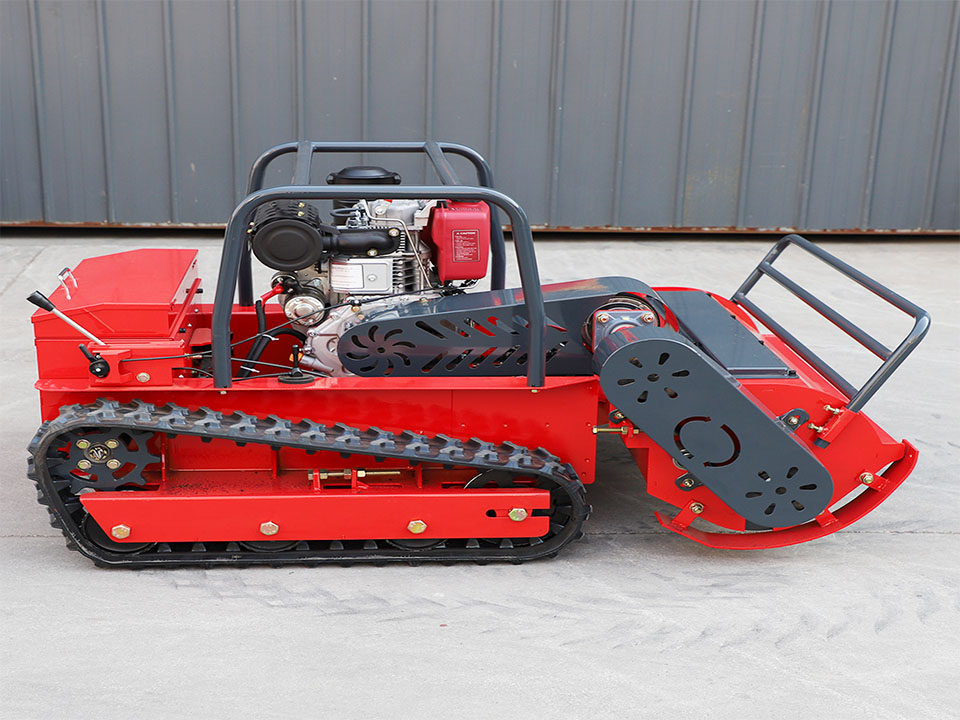
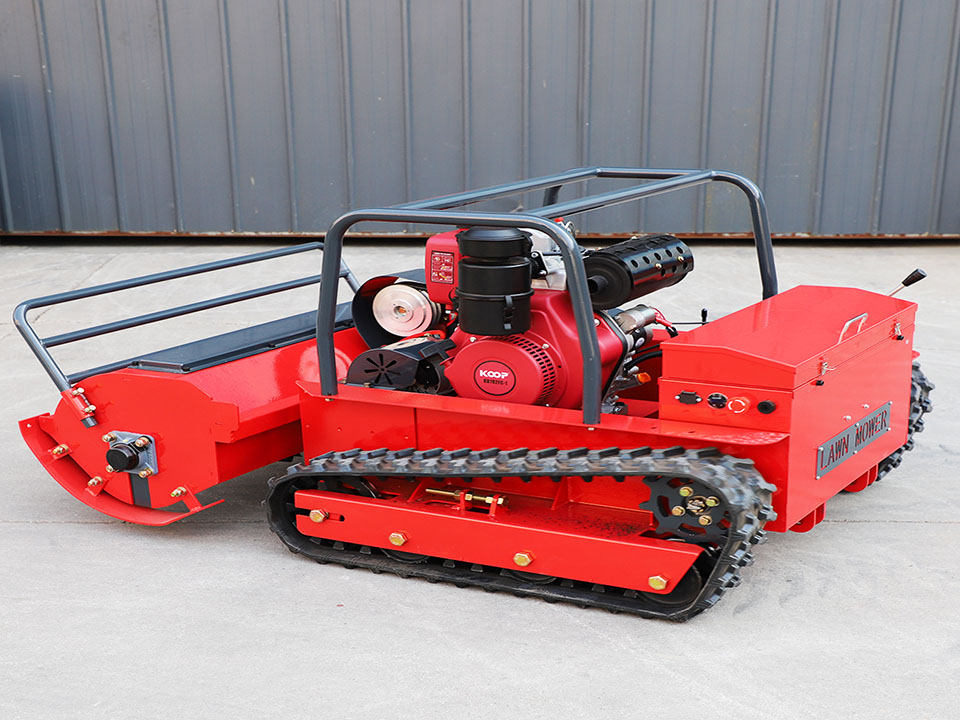
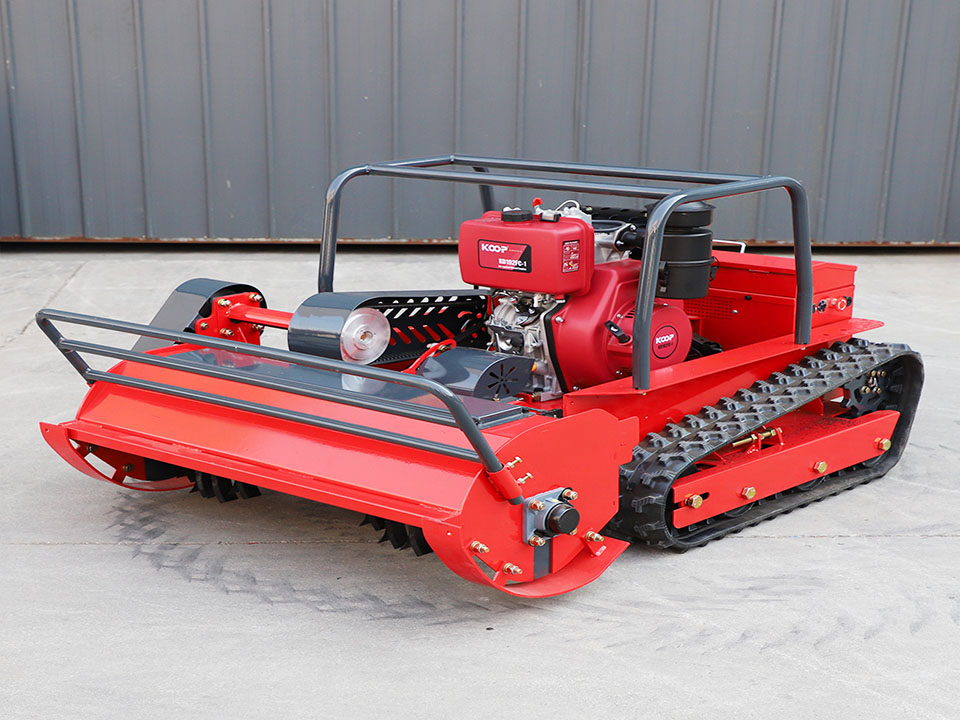
A buyer may like your remote control 4WD lawn mower with gas engine power. Fine. The importer’s compliance person still wants model data, engine information, packing photos, commercial invoice, origin documents, test video, spare parts list, warranty terms, and one clean contact path when something goes sideways.
And if the shipment involves lifting equipment, such as a dual mast mobile lifting platform for material handling, the record burden gets heavier. Load rating. Voltage. Cylinder inspection. Emergency stop test. Platform condition. Nameplate photo. This stuff matters.
According to CBP’s March 2024 monthly update, CBP stopped 749 shipments valued at more than $32 million for further examination based on suspected forced labor concerns.
So, no, recordkeeping isn’t “admin work.”
It’s risk control.
The File Should Follow the Machine, Not the Salesperson
I’ve seen this too often: one salesperson has the invoice, the warehouse has packing photos, QC has the test video, and the boss has the final buyer approval buried inside a chat thread.
That system works—until it doesn’t.
The biggest mistake is organizing files around people. Salesperson A. Customer B. May shipment. Random folder. Random name. Maybe a smiling emoji if someone was in a good mood.
Stop doing that.
The file should follow the machine serial number. Always. A cleaner naming structure looks like this:
2026-05_USA_ImporterName_Model_SerialNo_PO1234
Then every document inside the folder should connect to that same identity:
Here’s the ugly truth: when an importer asks for records, they’re not asking because they love paperwork. They’re asking because someone upstream—customs broker, warehouse manager, dealer, auditor, insurer, or end customer—is already creating pressure.
Pre-Shipment Maintenance Records Are Sales Tools
However, many factories think maintenance records begin after a machine breaks.
Wrong.
For B2B equipment, maintenance-style records should start before shipment. That means your QC team records what was checked, what was adjusted, what looked normal, and what should be watched during first use.
For a heavy duty remote control tracked flail mower for slopes, the importer may later care about track tension, flail shaft condition, belt condition, remote signal test, fuel system check, and hydraulic leak marks around fittings. Not beautiful words. Field facts.
Equipment Type
Record to Keep
Minimum Details
Remote control mower
Engine start test, blade rotation test, track/wheel check, remote signal test
A record without proof is just office storytelling.
The Import Documentation Checklist Should Start Before Packing
So many suppliers wait until the container is almost ready, then rush the invoice, packing list, model description, and buyer documents.
That’s amateur behavior.
For equipment importers, the import documentation checklist should be built while production is still moving. Commercial invoice draft. Packing list draft. Serial number list. Product photos. Nameplate image. Technical sheet. Operation manual. Spare parts list. QC test file.
CBP’s FY2024 typical-day data reported $9.2 billion worth of imported products, 105,103 entries of merchandise, and $241 million in duties, taxes, and other fees on a typical day.
That scale tells you something. Customs systems don’t reward vague documents.
“Remote control mower” is weak.
“XT-800CB remote control track lawn mower for rough terrain, gasoline engine, tracked chassis, flail cutting system” is better—and if you are selling the XT-800CB remote control track lawn mower for rough terrain, your internal file should match that description with photos, model data, and test evidence.
My Practical Recordkeeping System for Export Factories
Start small. But don’t start sloppy.
I’d use a hybrid system for most B2B equipment exporters. Paper for the shipment packet. Cloud folder for proof. Excel or CRM for the master index. Locked PDFs for final shipment records.
System Type
Strength
Weakness
Best Use
Paper folder
Easy to stamp and pack with shipment
Hard to search, easy to lose
Buyer packet and warehouse copy
Excel master sheet
Cheap, fast, flexible
Easy to damage if permissions are loose
Small and mid-size exporters
Cloud folder
Searchable and easy to share
Needs access control
Photos, videos, PDFs
ERP/CRM
Better history control
Setup cost and training burden
Larger factories and dealer networks
Hybrid system
Practical and affordable
Requires daily discipline
Most B2B equipment sellers
For a towable hydraulic cargo lift platform for material handling, this system is especially useful. Why? Because lift equipment creates repeat questions: platform size, lifting height, voltage, cylinder condition, control box layout, limit switch position, packing dimensions, oil leakage status.
If your after-sales person needs 40 minutes to find those answers, the importer will hear weakness in your silence.
The 5-Minute Rule
Here’s my rule.
If your team can’t find the full shipment file in 5 minutes, your recordkeeping system is not ready for serious importers.
Not perfect. Ready.
A strong file should answer these questions quickly:
Who bought it? Which exact model shipped? What serial number? Which configuration? What documents were sent? Was it inspected before packing? What changed after quotation? Which spare parts match this machine? Who approved the change?
And don’t hide behind “we can ask the salesperson.” That line makes importers nervous. Salespeople leave. Phones break. Chat histories disappear. But a serial-number file should remain.
How to Standardize Equipment Records for Importers
But standardization has to be owned by somebody. Not “the team.” Not “sales.” Not “office staff.”
One named person.
Step
Action
Owner
Control Point
1
Assign order number and machine serial number
Sales + production
No shipment without serial file
2
Create standard folder
Sales admin
Same naming rule every time
3
Upload commercial documents
Sales
Invoice, packing list, contract
4
Upload technical documents
Engineering/QC
Specs, manual, wiring, parts list
5
Complete inspection checklist
QC
Photo/video proof required
6
Confirm packing and loading records
Warehouse
Crate photo, marks, container number
7
Lock final shipment file
Manager
No random edits after departure
8
Store long-term
Admin
Minimum 5-year availability for import-related records
Small detail: lock the final PDFs after shipment. Keep editable files separately.
Why? Because when a dispute happens, nobody wants to hear, “Maybe someone edited the file.”
What Importers Should Demand Before Paying the Balance
Importers should ask for the record package before final payment.
Not after the container leaves.
Before.
Ask for the commercial invoice draft, packing list draft, serial number list, product photos before packing, nameplate photo, pre-shipment inspection checklist, test video, manual, spare parts list, packing photos, warranty terms, and broker-required import documents.
If the supplier gets irritated, good. You learned something.
A factory that can’t organize documents before shipment usually won’t perform better after shipment. That’s especially true for hydraulic lifts, cargo platforms, tracked mowers, slope machines, and material handling equipment where warranty claims can get technical fast.
FAQ
What is equipment recordkeeping for importers?
Equipment recordkeeping for importers is the organized storage of sales, technical, compliance, inspection, packing, and maintenance records for each machine or shipment, usually connected by order number and serial number so customs, warranty, dealer service, and audit questions can be answered fast.
In real factory work, that means the invoice, packing list, product specification, serial number, QC checklist, test video, loading photo, and after-sales notes are not scattered across phones and chats. They sit in one controlled file.
How long should importers keep equipment records?
Importers should generally keep import-related equipment records for 5 years from the date of entry, unless a specific customs rule creates a different period for certain records such as packing lists, drawback documents, informal entries, or low-value exempt shipments.
For B2B machinery, I’d keep the full supplier file for at least 5 years anyway. Machines create warranty, parts, resale, insurance, and compliance questions long after the first customs clearance is finished.
What should be included in B2B equipment documentation?
B2B equipment documentation should include commercial documents, import documents, product specifications, serial numbers, inspection records, maintenance records, packing photos, loading evidence, manuals, spare parts lists, warranty terms, and key buyer-supplier approvals tied to the exact machine or shipment.
The best structure is not fancy. It is searchable, serial-number based, and boring enough that a new employee can find the file without asking five people.
Why do importers need equipment maintenance records before shipment?
Importers need equipment maintenance records before shipment because pre-shipment inspection logs prove the machine was checked, tested, and shipped in known condition before it entered the destination market, reducing arguments over hydraulic leaks, electrical faults, transport damage, missing parts, and warranty responsibility.
For hydraulic lifting equipment, that may mean cylinder inspection, emergency stop testing, limit switch checks, and load test photos. For remote-control mowers, it may mean engine start, blade rotation, track movement, and remote signal testing.
How can exporters standardize records for importers?
Exporters can standardize records for importers by using one folder structure, one naming rule, one serial-number master sheet, one import documentation checklist, and one final review step before shipment, with responsibility assigned to a named person instead of a vague department.
The cheapest good system is a hybrid setup: Excel for the master index, cloud folders for proof, PDF locks for final shipment files, and paper copies for the buyer packet when needed.
What is the biggest recordkeeping mistake B2B equipment suppliers make?
The biggest recordkeeping mistake B2B equipment suppliers make is organizing documents around salespeople or chat history instead of machine serial numbers, which makes records hard to retrieve when the importer later asks for proof, parts matching, inspection evidence, or customs documents.
A salesperson-based system feels easy during the sale. A serial-number-based system protects the business after the sale.
CTA
If you export lifting platforms, cargo lifts, remote-control mowers, mini loaders, or other B2B equipment, stop treating records like leftover office work. Build the file before the importer asks. Standardize the invoice, packing list, serial number, inspection checklist, test video, and maintenance records now—because when customs, a dealer, or a buyer starts asking hard questions, neat records become leverage.
Contact our equipment manufacturer to discuss mini loaders, freight elevators, lift platforms, and lawn mowers for construction, logistics, agriculture, landscaping, mining, and municipal projects. Founded in 2019, we support global B2B buyers with RFQ review, WhatsApp or email communication, sales team guidance, customization, and export-ready machinery solutions.
Company
About
Solutions
Applications
Electric Freight Elevator
Contact
Products
Mini Loader
Freight Elevator
Lift Platform
Lawn Mower
Electric Mini Loader
Contact
+86 151 0096 5355
North of Xiaozhuangdong Village, Weijiazhuang Town, Longyao County, Xingtai City, Hebei Province, China