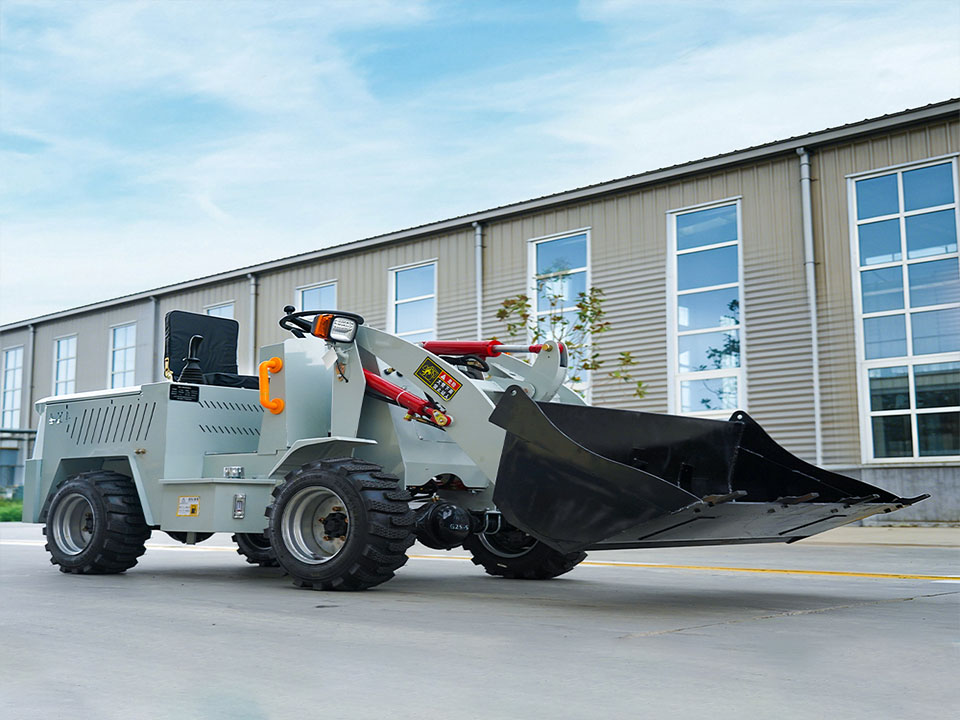
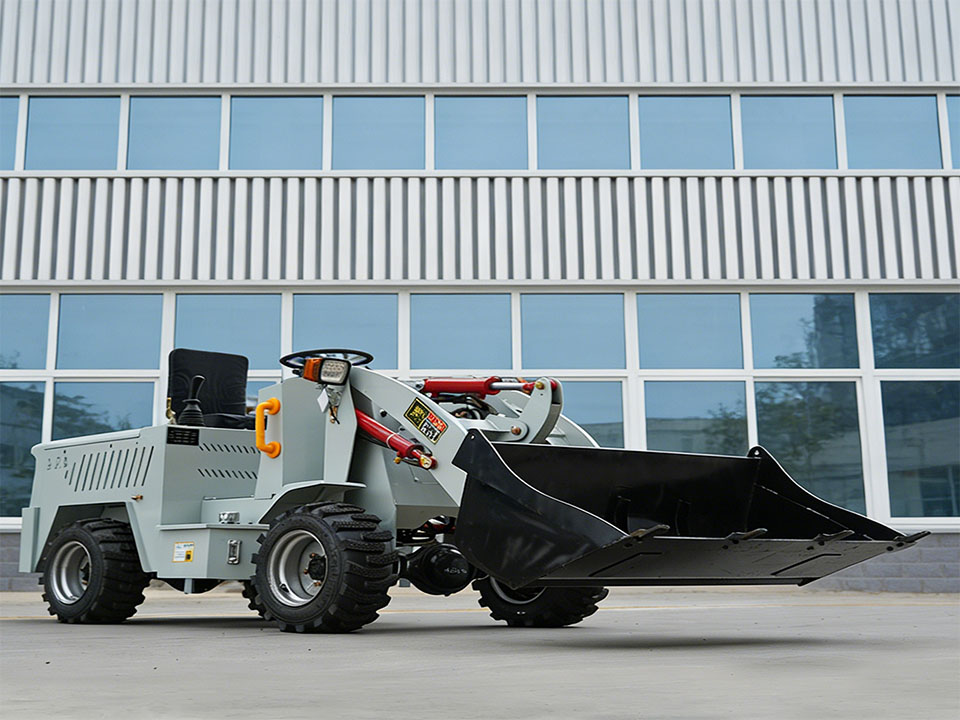
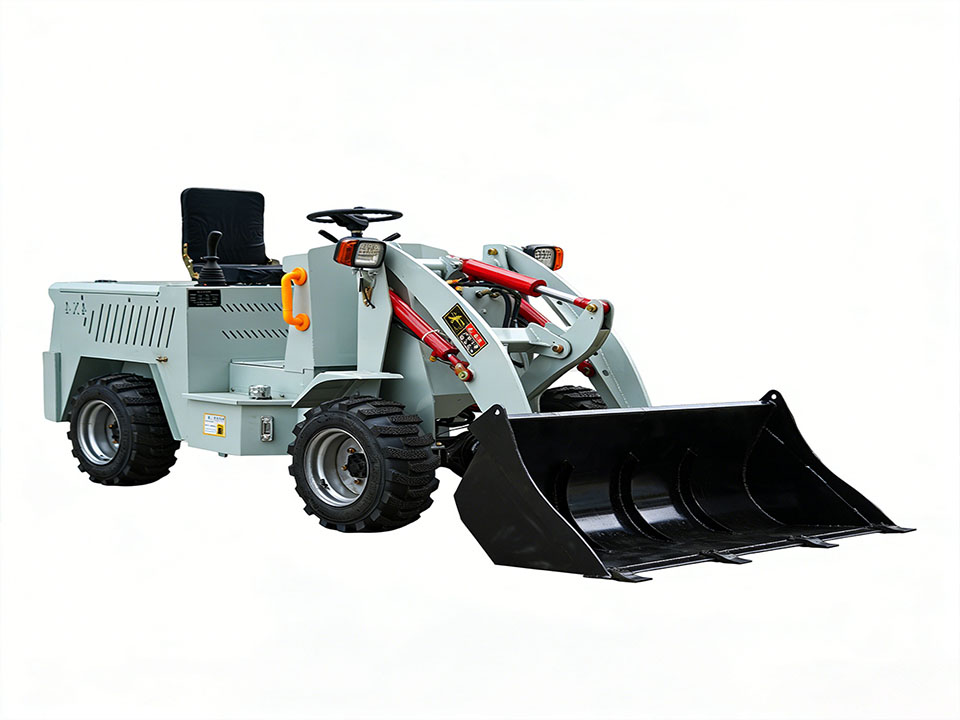
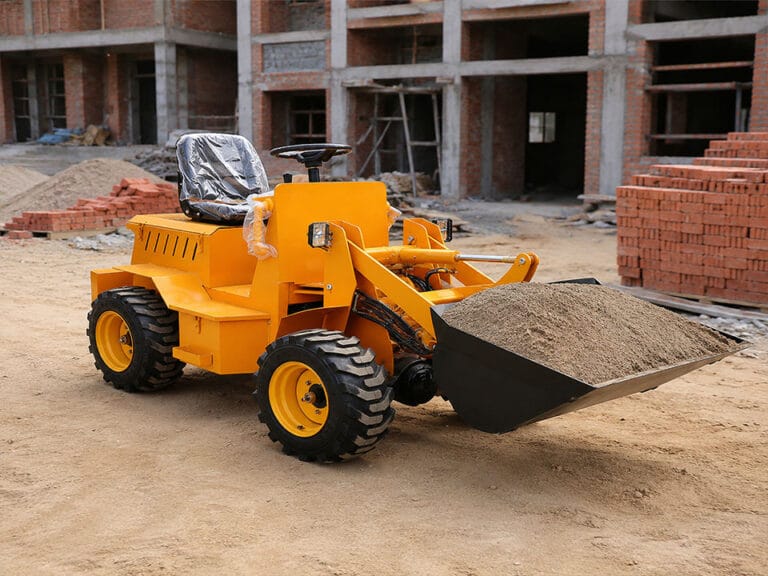
Reliable Mini Loader Manufacturer for OEM & Wholesale Equipment Buyers
A trusted industrial equipment manufacturer helps B2B buyers source reliable machinery for construction, material handling, agriculture, landscaping, mining, and environmental applications. Since 2019, we have manufactured mini loaders, freight elevators, lift platforms, and lawn mowers for customers across Western countries, Japan, South Korea, Central Asia, Russia, and other markets.
Longyao County Yuhong Machinery Manufacturing Co., Ltd.
Since 2019
North of Xiaozhuangdong Village, Weijiazhuang Town, Longyao County, Xingtai City, Hebei Province, China
Hour-Based Loader Maintenance Checklist for Maintenance Teams
This guide rewrites the loader maintenance checklist around real hour-meter intervals, not vague “check regularly” advice. It shows maintenance teams how to catch hydraulic leaks, brake issues, cooling problems, pin wear, and operator abuse before the machine turns into a repair bill.
Not with words, obviously, but with that calm idle, that bucket still lifting, that dashboard showing no warning lamp while a hose sheath is already cracked, the brake pedal feels a little softer than last week, and the operator says, “It’s probably fine.” Fine? That word has killed more maintenance budgets than cheap oil.
I don’t trust “fine.” Never have.
The real search intent behind Loader maintenance checklist is informational on the surface, but let’s not pretend it’s only educational. Maintenance teams want a checklist because something has already gone wrong, nearly gone wrong, or is about to go wrong during peak work. Rental fleets want fewer emergency calls. Warehouse managers want clean inspection records. Contractors want loaders that don’t embarrass them in front of buyers, auditors, or worse—OSHA.
And here’s the ugly truth: most loader checklists are written like office decorations. “Inspect hydraulic system.” Great. Inspect what? The return hose? Rod scoring? Foaming oil? Filter bypass light? Loose clamp? Wet fitting? Pump whine? A mechanic can’t fix poetry.
A wheel loader pushing wet clay for eight hours, idling in dust, reversing all day, and carrying overloaded buckets is not aging like a machine moving wrapped pallets twice a week on smooth concrete. Same month. Totally different wear story.
That’s why an hour-based loader service checklist matters. The hour meter tracks exposure: heat cycles, hydraulic pressure, idle time, gear shifts, brake use, dust ingestion, coolant stress, and grease starvation. Calendar maintenance looks tidy. Hour-based maintenance catches abuse.
The U.S. Bureau of Labor Statistics recorded 5,070 fatal work injuries in 2024, with transportation incidents and contact incidents still sitting in the ugly part of the data table, according to . OSHA also reminds construction teams to check vehicles before each shift and keep workers clear of moving equipment, raised buckets, reverse travel, and load zones through . Those aren’t loader-only numbers, no. But they explain why a maintenance checklist can’t stop at oil and filters. It has to cover movement, visibility, brakes, alarms, bucket condition, and lockout rules too.
Daily Loader Checklist: The Small Stuff That Saves the Big Stuff
Start before the engine fires.
Look under the loader. Fresh oil tells a story. Coolant crust tells another. Hydraulic drips, diesel stains, tire cuts, missing bolts, loose bucket-edge hardware—none of these defects need a laptop diagnosis. They need eyes, knees, gloves, and a mechanic who isn’t rushing because production is yelling.
If the loader feels different, smells hot, shifts late, lifts slowly, squeals during articulation, creeps with the brake applied, or drops the bucket under load, the operator note should not be “OK.” It should be a defect note with an hour reading.
Check Area
What Maintenance Teams Should Record
Hard Failure Signal
Engine oil
Level, color, fuel smell, metal shine
Rising oil level or diesel odor
Coolant
Level, leaks, radiator blockage
White residue, overheating trend
Hydraulic system
Hose cracks, seepage, cylinder drift
Foaming oil, pump noise, slow lift
Tires / wheels
Pressure, cuts, rim cracks, lug marks
Sidewall split or loose wheel nut
Brakes
Pedal feel, parking brake hold
Machine creeps on slope
Bucket / attachment
Edge wear, loose bolts, cracks
Uneven cutting edge or weld crack
Safety devices
Horn, lights, alarm, seat belt
Silent reverse alarm
Operator notes
New vibration, smoke, delay, heat
“It felt different today”
A loader preventive maintenance checklist should make laziness difficult. That’s the point.
A new machine settles. A repaired machine settles. A machine with a new bucket, new tire, new linkage pin, or new hydraulic hose settles too.
So don’t wait until 250 hours to learn that the loader-frame bolts loosened, the wheel nuts moved, a hose has rubbed against a bracket, or a grease nipple is blocked. The 50-hour service is where maintenance teams catch the “it was installed yesterday” problems.
Retorque wheel nuts. Grease every pin. Check loader-arm linkage. Inspect bucket pins. Look for hose rub. Check clamps. Drain water from the fuel-water separator. Check belt tension. Check battery terminals. Look at every fresh repair with suspicion.
I use the same thinking on mixed fleets. If a yard runs a heavy-duty 4WD orchard mower robot beside loaders, the early-service logic is familiar: vibration, terrain shock, heat, fastener movement, and operator habits all show up early if somebody bothers to look.
250-Hour Loader Service Checklist
Here’s where the paperwork starts earning its keep.
At 250 hours, the loader should get a real service window, not a five-minute wipe-down. Change engine oil and oil filter when required by the OEM schedule. Inspect fuel filters. Clean radiator cores and oil coolers. Check fan belt condition. Grease all loader linkage points. Inspect axle breathers. Test steering response. Check brake performance. Inspect hydraulic hoses, fittings, cylinder rods, and tank breathers.
And please—stop treating grease as decoration. If a pin squeaks, it is already talking. If a bushing is dry, it is already billing you.
Service Item
Record Value
Why It Matters
Engine oil change
Oil brand, viscosity, filter code
Stops mystery oil mixing
Hydraulic inspection
Leak points, hose IDs
Builds failure history
Grease log
Pins serviced, missed nipples
Finds blocked grease paths
Cooling cleanout
Air pressure used, debris type
Tracks overheating causes
Brake test
Slope test result
Proves control before incident
Tire pressure
PSI / bar per tire
Reduces drivetrain strain
For rough-ground fleets, don’t separate loader logic from other site machinery. A remote control tracked flail mower for rough terrain may not share the same axle design, but it shares the same enemy list: mud, vibration, debris packing, heat, and operators who say, “It only made that noise once.”
500-Hour Loader Maintenance Checklist
However, 500 hours is where hidden wear stops whispering.
Fuel filters may need replacement. Transmission oil condition should be checked. Axle oil levels need review. Hydraulic return filters and suction screens deserve attention where the machine design allows it. Steering cylinders, articulation pins, engine mounts, transmission mounts, brake condition, battery cables, alternator output, air intake sealing, and cooling-pack cleanliness all belong on the sheet.
From my experience, the 500-hour checklist should also include operator pattern notes. Controversial? Maybe. Useful? Absolutely.
One operator rides the brake. Another slams the bucket into stockpiles. One runs with the bucket high. Another reverses without checking blind spots. Maintenance teams who ignore operator behavior are basically trying to diagnose a machine with one eye taped shut.
At 1000 hours, I’d rather have one ugly inspection than ten pretty checkboxes.
Review oil samples. Compare past defect notes. Measure cylinder drift. Inspect bucket pins and bushings for oval wear. Check hydraulic pump symptoms if cycle time has slowed. Inspect axle seals, articulation joint movement, brake wear, wiring harness rub points, exhaust leaks, turbo play where equipped, cooling-system condition, and transmission behavior under load.
The expensive question isn’t whether the loader starts.
The expensive question is whether it can keep working without creating a safety problem, warranty dispute, resale hit, or production shutdown.
OSHA’s accident record for July 1, 2024 says a worker was struck by the bucket of a CAT-926M wheel loader after the operator did not see the employee while driving the machine, according to That’s not just a machine service story. It’s visibility, movement control, jobsite layout, supervision, and inspection discipline all tangled together.
Major fluids, drivetrain inspection, resale condition audit
Repair vs replace estimate
No, this table doesn’t replace the OEM manual. Use the manufacturer schedule first. Then tighten it for dust, heat, slope work, long idle periods, heavy bucket loads, corrosive sites, cheap fuel, aggressive operators, and rough attachments.
The Safety Part Nobody Wants to Own
And now the awkward bit.
A loader maintenance checklist that ignores safety devices is not a maintenance checklist. It’s an oil-change list wearing a hard hat.
OSHA reported in January 2024 that a contractor faced $142,642 in proposed penalties after a worker was fatally struck and pinned by a loader bucket during heavy-equipment work, according to . The case involved an elevated bucket, uneven ground, and a worker beneath the danger area. That is exactly why the checklist must include parking brake tests, bucket drift checks, backup alarm function, visibility aids, lockout rules, and “no person under raised bucket” controls.
Oil matters. Brakes matter more when a person is nearby.
What Maintenance Teams Should Document Every Time
A loader preventive maintenance checklist needs five boring things every time: machine ID, hour-meter reading, defect description, severity level, and corrective action.
Boring wins.
Use photos. Record oil viscosity. Record filter codes. Record mechanic name. Record operator name. Record whether the machine was released, restricted, or locked out. Record the smell of burnt oil if that’s what you found. Sounds silly until a transmission fails and nobody remembers when the smell started.
Defect Level
Meaning
Action
Level 1
Monitor
Machine can work, but defect must be reviewed at next service
Level 2
Repair soon
Machine can finish controlled work, but repair is scheduled
Some managers hate that answer. Mechanics who’ve seen accidents don’t.
Mixed-Fleet Maintenance: One Culture, Different Machines
So, should loaders, mowers, compact machines, lifting platforms, and yard equipment all use the same checklist? Not the same checklist, no. The same discipline.
Hours. Photos. Defect levels. Grease records. Fluid records. Safety checks. Operator notes. Parts history.
That’s the system.
A site maintaining a remote control all-terrain 4WD lawn mower robot beside loaders already knows that ground conditions punish machines differently. Slope, mud, wet grass, impact, vibration, heat, and debris wrapping all change service demand. Loaders just express the punishment in hydraulic leaks, brake wear, cutting-edge damage, hot transmissions, and loose pins.
FAQ
What is a loader maintenance checklist?
A loader maintenance checklist is a structured inspection and service record that tells operators and mechanics what to check, when to check it, how serious each defect is, and whether the loader can safely return to work. It should cover fluids, brakes, hydraulics, tires, pins, bucket condition, safety devices, and hour-meter intervals.
The weak version is a form. The strong version is a control system.
How often should a wheel loader be serviced?
A wheel loader should be inspected before each shift and serviced by operating-hour intervals such as 50, 250, 500, 1000, and 2000 hours, while still following the OEM manual. Dust, heat, slope work, heavy loads, long idle time, and poor fuel quality can require shorter intervals.
Calendar reminders are fine for office people. Machines answer to hours.
What belongs in a 250 hour loader service checklist?
A 250 hour loader service checklist should include engine oil and filter service, fuel-water separator checks, cooling-pack cleaning, full greasing, hydraulic leak inspection, brake testing, tire or wheel inspection, belt checks, battery inspection, and attachment wear review. It should also record filter codes, oil grade, hour reading, defects, and mechanic sign-off.
This is where small leaks should be caught before they become emergency calls.
What belongs in a 500 hour loader maintenance checklist?
A 500 hour loader maintenance checklist should include fuel filter service, transmission and axle oil checks, hydraulic filter review, linkage wear inspection, steering cylinder checks, brake condition checks, mount inspection, cooling-system cleaning, and operator behavior review. It should compare current defects with previous notes so repeat failures become visible.
At 500 hours, patterns matter more than pretty paperwork.
Why is hour-based loader maintenance better than calendar maintenance?
Hour-based loader maintenance is better because it matches service work to actual machine use, including engine run time, hydraulic cycles, heat, idle hours, braking, dust exposure, and attachment stress. Calendar maintenance can under-service hard-working loaders and waste labor on machines that barely ran.
The hour meter isn’t perfect. But it’s far better than guessing.
How can maintenance teams reduce loader breakdowns?
Maintenance teams can reduce loader breakdowns by using daily inspections, hour-based service intervals, photo-backed defect reports, oil sampling, clear lockout rules, operator feedback, and repeat-failure tracking. The goal is to catch weak signals—heat, leaks, noise, slow lift, brake fade—before they turn into downtime.
That’s not complicated. It’s just rarely enforced.
CTA
Rewrite the loader maintenance checklist before the next 250-hour service, not after the next breakdown. Build it around hour-meter intervals, defect severity, photos, oil records, grease proof, safety-device checks, and stop-use rules. That’s how maintenance teams quit chasing failures and start controlling the machine.
Contact our equipment manufacturer to discuss mini loaders, freight elevators, lift platforms, and lawn mowers for construction, logistics, agriculture, landscaping, mining, and municipal projects. Founded in 2019, we support global B2B buyers with RFQ review, WhatsApp or email communication, sales team guidance, customization, and export-ready machinery solutions.
Company
About
Solutions
Applications
Electric Freight Elevator
Contact
Products
Mini Loader
Freight Elevator
Lift Platform
Lawn Mower
Electric Mini Loader
Contact
+86 151 0096 5355
North of Xiaozhuangdong Village, Weijiazhuang Town, Longyao County, Xingtai City, Hebei Province, China