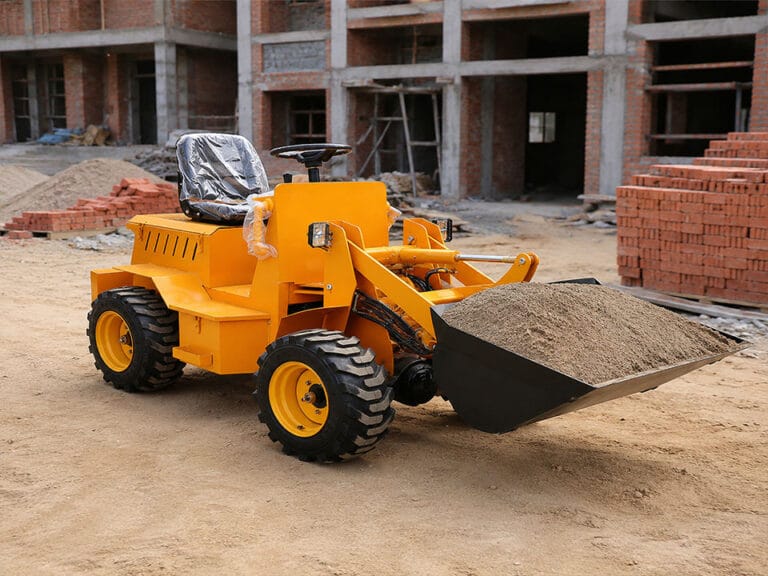
Reliable Mini Loader Manufacturer for OEM & Wholesale Equipment Buyers
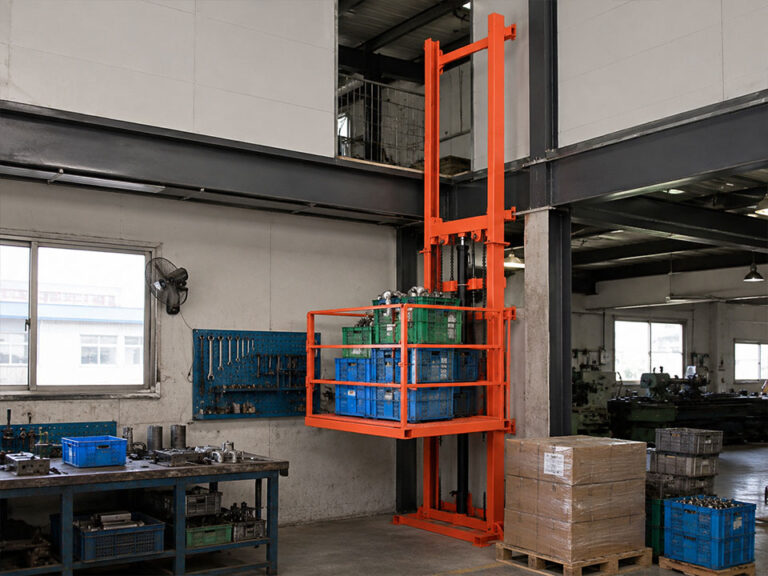
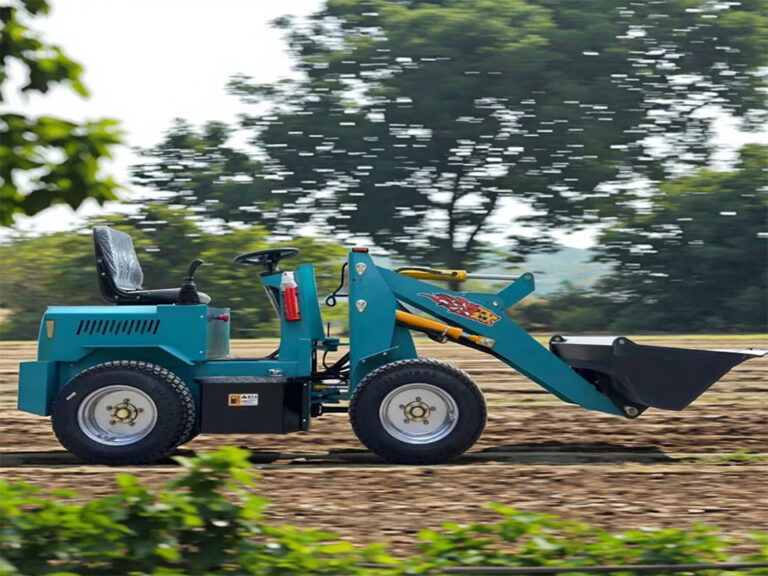
A trusted industrial equipment manufacturer helps B2B buyers source reliable machinery for construction, material handling, agriculture, landscaping, mining, and environmental applications. Since 2019, we have manufactured mini loaders, freight elevators, lift platforms, and lawn mowers for customers across Western countries, Japan, South Korea, Central Asia, Russia, and other markets.
Longyao County Yuhong Machinery Manufacturing Co., Ltd.
Since 2019
North of Xiaozhuangdong Village, Weijiazhuang Town, Longyao County, Xingtai City, Hebei Province, China
Electric Freight Elevator PM Checklist: Standardize Daily Checks
A practical electric freight elevator PM checklist for factories, warehouses, and equipment-heavy yards. This guide shows how to standardize daily checks before small faults turn into downtime, liability, and ugly repair bills.
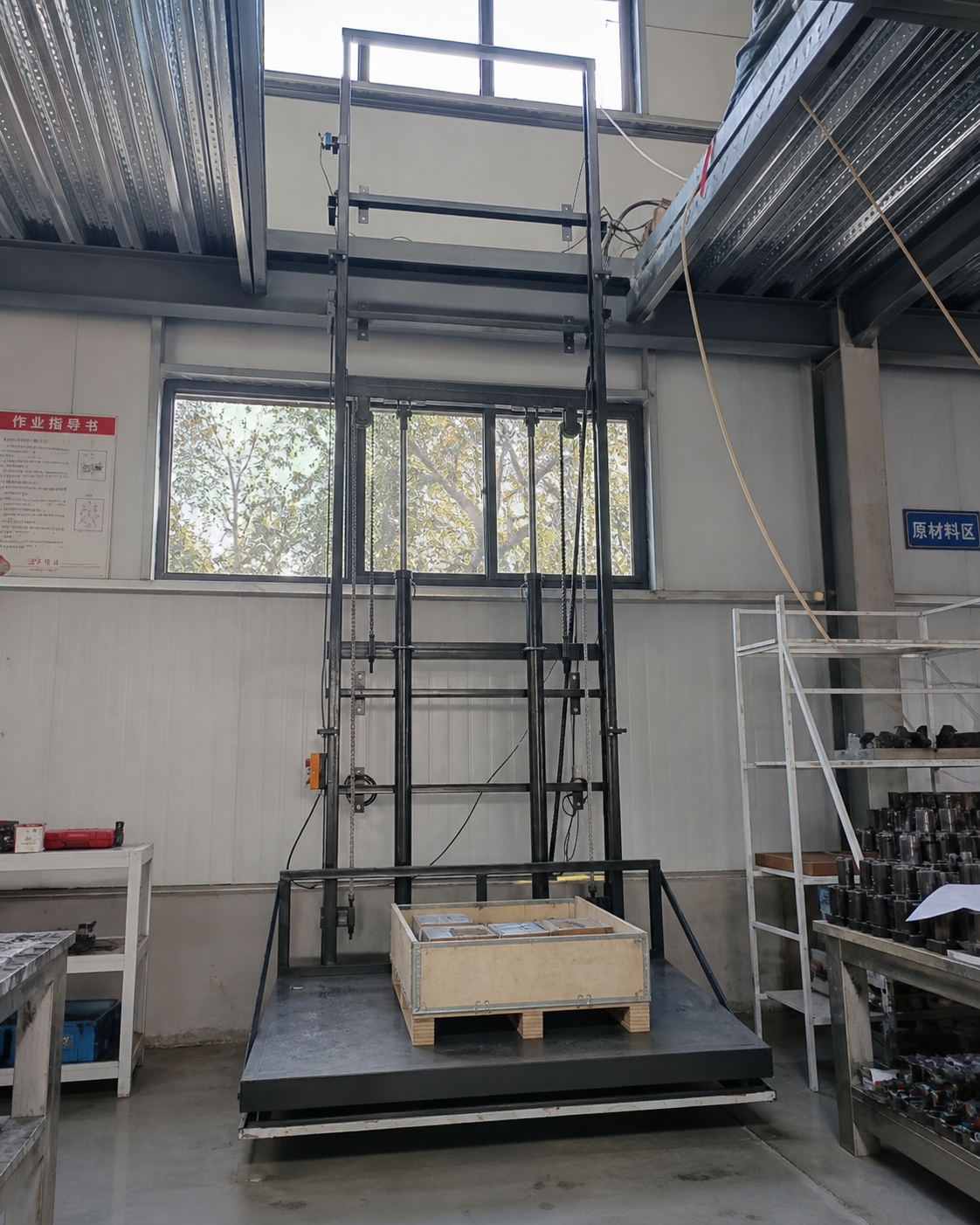
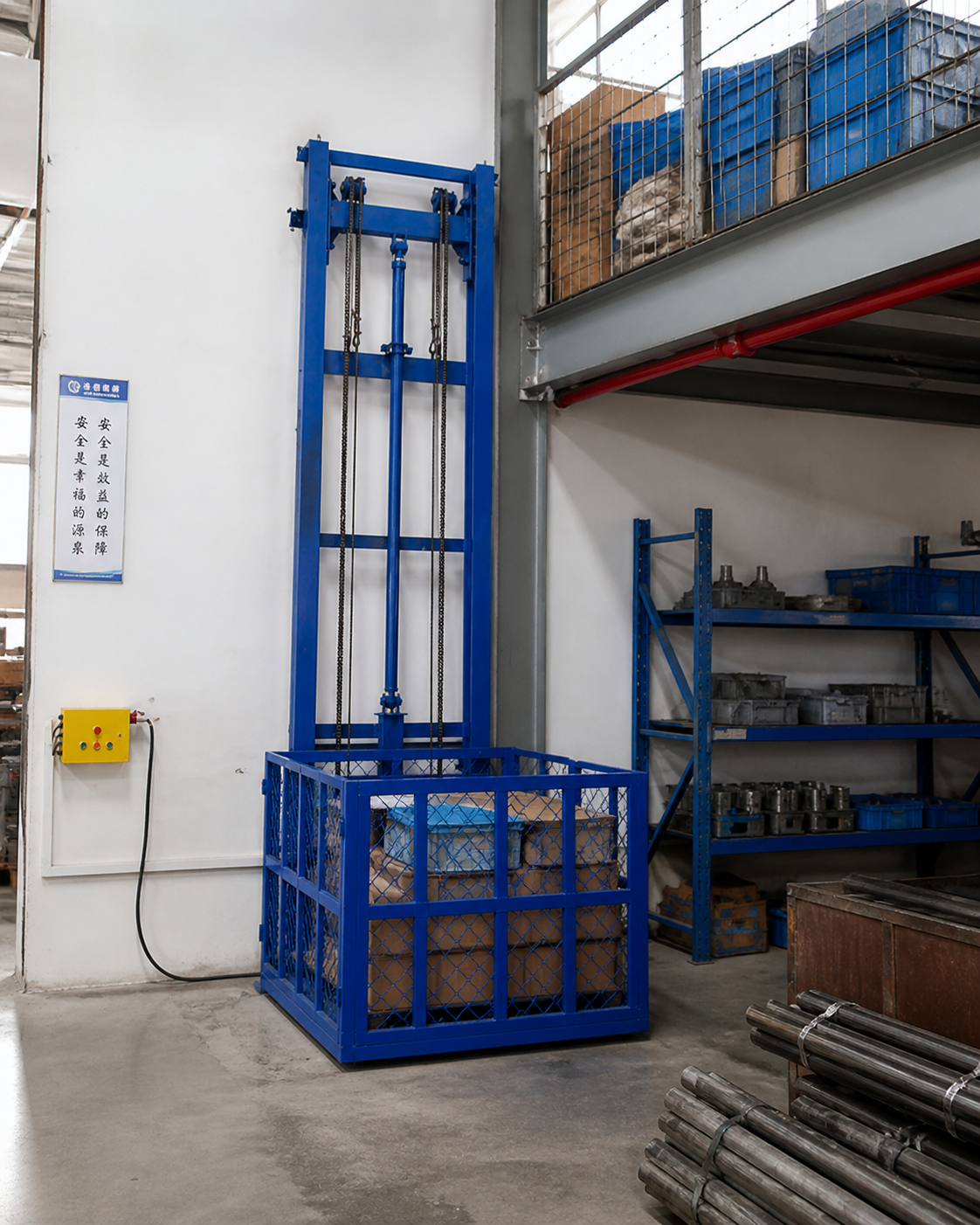
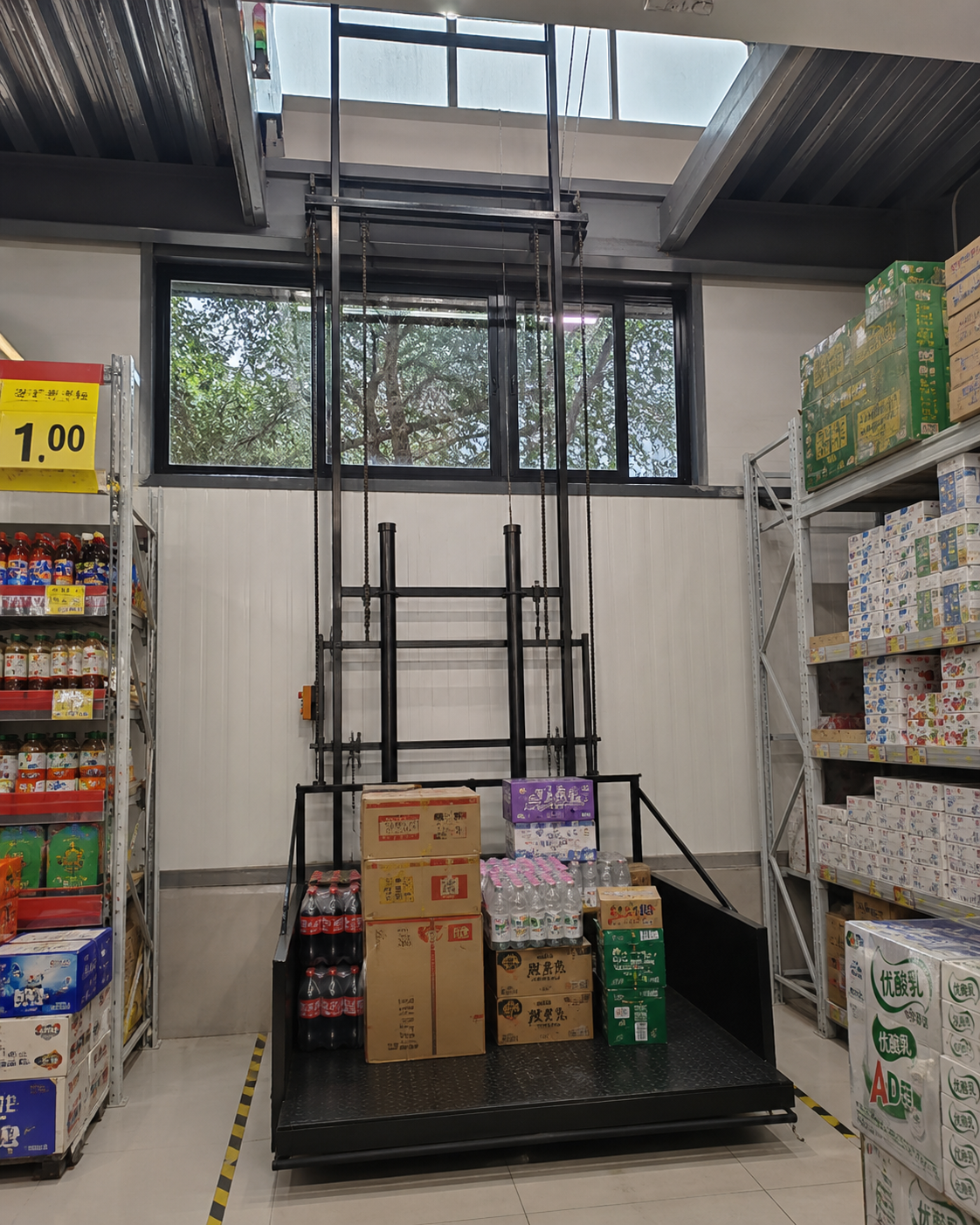
Small faults compound. When a warehouse treats an electric freight elevator like a steel box with buttons instead of a powered vertical transport system with brakes, door locks, guide rails, limit switches, contactors, chains, cables, overload logic, and operator habits baked into every trip, the first real failure usually feels “sudden” only to the people who never read the logbook. Why gamble?
I’ve seen the same pattern in factories, feed mills, furniture warehouses, small manufacturing plants, and construction-material depots. The lift does 80 cycles per day. Nobody records the door noise. The platform starts landing 15 mm low. Someone tapes over a warning sticker. A forklift driver overloads it “just this once.” Then one morning, production stops.
Not dramatic. Expensive.
A serious Freight Elevator Maintenance Checklist is not a clipboard decoration. It is a daily operating control. It tells the operator what to see, what to hear, what to smell, what to refuse, and when to call maintenance before the electric freight elevator becomes a legal problem with steel doors.
Table of Contents
Why Electric Freight Elevator Daily Checks Fail in Real Warehouses
Most companies don’t fail because they have no checklist. They fail because the checklist is weak.
A bad checklist says: “Check elevator condition.”
That means nothing.
A usable freight elevator daily inspection checklist says: verify landing doors close fully; test emergency stop without load; inspect platform floor deformation; confirm load rating label is visible; check abnormal motor noise during upward travel; record floor-level accuracy; stop operation if door interlock response is delayed.
See the difference?
One is paperwork. One catches faults.
And here’s the hard truth: many daily elevator checks are written by office staff who never stand beside the lift at 7:20 a.m. while workers are pushing pallets, yelling across the dock, and trying to clear outbound orders. The checklist sounds clean. The site is dirty.
That gap is where accidents and downtime live.
If your team already runs mixed outdoor equipment such as a remote control tracked lawn mower brush cutter robot or a remote control 4WD brush cutter mower for rough terrain, you already know the rule: machines that work in rough conditions need simple, repeatable, visual checks. Freight elevators are no different. The difference is that a failed cargo lift can trap goods between floors, block production, or create a shaft hazard.
The Daily PM Philosophy: Fast, Visual, Ruthless
A daily PM check should not take 45 minutes. If it does, workers will fake it.
I prefer a 7–12 minute operator check, then a deeper weekly technician check, then a monthly service review. That rhythm works because each layer catches a different type of fault.
Daily checks catch obvious risk.
Weekly checks catch wear.
Monthly checks catch drift.
But don’t confuse “daily” with “casual.” A daily electric freight elevator maintenance routine should be strict about stop-use conditions. If the landing door does not lock cleanly, stop it. If the lift creeps after stopping, stop it. If the motor hum changes under normal load, stop it. If the overload alarm is ignored, stop it.
Simple? Yes.
Popular? Not always.
Operations managers hate downtime until bad maintenance creates bigger downtime. Then everyone becomes a safety expert.
Electric Freight Elevator PM Checklist: The Core Daily Items
Use this as your base daily elevator preventive maintenance checklist. Adjust it by lift type, rated load, drive system, floor count, control cabinet layout, duty cycle, and local inspection rules.
Check Area
Daily Action
What “Pass” Looks Like
Stop-Use Warning
Load rating
Confirm rated capacity plate is visible inside and outside loading area
Door does not latch, gap remains, lock feels loose
Door interlock
Try normal call only after doors are fully closed
Lift responds only when doors are secured
Lift moves with door not fully closed
Platform floor
Inspect plate, welds, edge guards, and anti-slip surface
Flat, clean, no cracked welds, no oil pooling
Warped floor, broken edge, slippery oil film
Control buttons
Test call, stop, up, down, alarm, and emergency stop
Buttons respond cleanly, labels readable
Sticky button, delayed stop, broken emergency control
Travel sound
Run empty car through full travel
Even motor sound, no scraping, no metal knocking
Grinding, hard vibration, electrical buzzing
Leveling accuracy
Check platform alignment at every landing
Platform stops within safe loading tolerance
Repeated low/high landing, forklift impact risk
Guide rail area
Look for debris, rubbing marks, loose objects
Clear path, no visible obstruction
Metal shavings, fresh scrape marks, foreign objects
Electrical cabinet area
Visual check only unless trained
Dry, closed, no burnt smell, ventilation clear
Burnt odor, water marks, loose cover, heat discoloration
Warning signs
Check “No passengers,” “No overload,” and loading rules
Signs visible in operator language
Missing safety signs or ignored passenger use
The Ugly Part: Most PM Logs Are Written for Inspectors, Not Mechanics
I frankly believe this is one of the worst habits in small industrial sites.
The logbook looks tidy. Every box is ticked. Every day says “normal.” Then the technician arrives and finds a cracked roller, a loose terminal, a bent landing sill, and door contact problems that operators say have been happening “for weeks.”
That is not maintenance. That is fiction.
A proper cargo lift maintenance checklist needs fields that force real observation:
Exact floor where the fault happened
Load condition: empty, half load, full load, suspected overload
Electric freight elevator faults often start as patterns, not explosions. A contactor that chatters every Monday morning. A door lock that fails only on the second floor. A platform that levels poorly only under heavy pallet loads. If your PM form doesn’t capture pattern data, you’re blind.
Build the Checklist Around Failure Modes, Not Generic Safety Talk
The best industrial freight elevator PM programs are written backward from failure.
What can fail?
Door locks. Brakes. Limit switches. Control relays. Overload devices. Guide shoes. Chains. Cables. Hydraulic parts if it is hybrid equipment. Platform welds. Floor sills. Operator behavior. Power supply. Moisture control. Dust control.
So the daily checklist must match the machine’s actual risk points.
For electric freight elevators in warehouse use, I would divide PM into four zones:
The Loading Zone
This is where abuse happens. Forklift forks hit the sill. Pallets drag across the platform. Workers use the car as temporary storage. Someone leaves loose stretch wrap near moving parts.
The loading zone check should verify sill condition, floor grip, door clearance, warning signs, lighting, and traffic control. If you also manage outdoor machinery like a heavy duty remote control track loader mower for orchard, the mindset is similar: the worksite damages the machine before the machine damages itself.
The Control Zone
Buttons, emergency stop, alarm, call stations, indicators, and control cabinet condition belong here. Operators should not open panels unless trained, but they can detect smell, heat marks, broken labels, water entry, loose covers, and delayed response.
Burnt smell is not “maybe tomorrow.”
Stop it.
The Travel Zone
This includes platform movement, guide rails, abnormal vibration, leveling accuracy, and travel noise. A freight elevator should not feel like a tired farm trailer climbing a hill. If vibration gets worse under load, record it.
If it changes day to day, record it louder.
The Safety Zone
Door interlocks, overload warning, emergency stop, landing protection, signage, and operator authorization sit here. This zone decides whether the lift should run at all.
No bypasses. No “temporary” jumper wires. No running with a defective door system because “shipping is urgent.”
That sentence has ruined more factories than people admit.
A 10-Minute Daily Electric Freight Elevator Check Routine
Here is a practical flow I would use for a warehouse team.
Minute
Check
Operator Action
Record Requirement
0–1
Area safety
Clear debris, pallets, wrap, oil, and blocked access
Sign checklist, flag abnormal items, supervisor review
Pass / restricted / stop-use
This routine should be laminated at the lift, not hidden in a binder.
The maintenance manager should review exceptions daily. Not weekly. Daily.
Why? Because one ignored exception teaches operators that the checklist is theater.
Standardize Stop-Use Rules Before People Start Negotiating
A checklist without stop-use rules is weak.
Workers should not have to debate whether an electric freight elevator is safe during peak loading. The form should make the decision for them.
Stop the freight elevator immediately if:
Any door interlock fails or behaves inconsistently
The lift moves while a landing door is not fully secured
Emergency stop does not work
Load rating sign is missing or unreadable
Platform drops, creeps, or lands unevenly beyond tolerance
Abnormal burning smell comes from control or motor area
Overload device is bypassed or ignored
Landing gate, sill, or platform edge is damaged
People are riding a goods-only freight elevator
I know some buyers don’t like strong wording. Fine. But soft wording gets soft behavior.
What Daily Checks Should Not Include
Daily operators should not be asked to perform technician work.
Do not ask untrained staff to adjust brakes, open live electrical panels, reset safety circuits, repair door locks, grease hidden components, inspect inside the shaft, or “fix” intermittent faults. That is how a checklist becomes dangerous.
The operator’s job is detection and reporting.
The technician’s job is diagnosis and repair.
The manager’s job is enforcement.
When those three roles mix together, accountability disappears. I’ve seen forklift drivers reset faults, production supervisors override alarms, and maintenance teams inherit a machine that has been abused for months. Nobody wins.
Match Your PM Checklist to Duty Cycle
A low-use freight elevator in a small stockroom is not the same as a two-floor warehouse lift doing 120 pallet movements per day.
Here is a practical classification:
Duty Level
Typical Use
Daily PM Depth
Weekly PM Depth
Management Action
Light duty
Under 20 cycles/day
Basic visual + control test
Door, leveling, signage review
Monthly trend review
Medium duty
20–80 cycles/day
Full 10-minute checklist
Guide, sill, platform, noise review
Weekly exception review
Heavy duty
80+ cycles/day
Full checklist each shift
Technician inspection, wear tracking
Daily exception review
Harsh site
Dust, moisture, impacts, outdoor traffic
Full checklist + cleaning focus
Electrical moisture and debris review
Add photos to PM log
A factory that runs a 4-wheel gasoline weeder machine for efficient farming will understand this immediately. Dust, vibration, mud, and operator habits change maintenance frequency. Electric freight elevators may sit indoors, but they still suffer from impact, dust, voltage variation, poor cleaning, and bad loading behavior.
The Overlooked Item: Floor-Level Accuracy
Ask workers what they notice first. They usually say noise.
Ask maintenance what damages freight elevators quietly. Often it is misalignment.
If the platform stops too high or too low, pallets slam the sill. Forklift wheels hit edges. Loads shift. Door parts take impact. Operators compensate by forcing equipment across the gap. Then the lift gets blamed.
A daily freight elevator daily inspection checklist should record floor-level accuracy at the main loading floor and the most-used upper floor. You don’t need laboratory numbers every morning. You need a consistent rule.
Example:
Green: level enough for safe pallet transfer
Yellow: noticeable edge, supervisor review needed
Red: unsafe transfer, stop use
Photos help. A ruler helps more.
Electric Components Need Human Senses Too
Electric freight elevator maintenance is not only about meters and manuals.
A contactor that buzzes. A control button that sticks for half a second. A motor that starts harder than yesterday. A cabinet that smells warm after a normal load run. These are early warnings.
The daily checklist should include sensory prompts:
Any burnt odor?
Any buzzing from control area?
Any delayed start?
Any flickering indicator?
Any repeated reset needed?
Any weather or water exposure near the electrical area?
Short questions. Real answers.
Don’t Let “PM” Become a Purchasing Excuse
Some sellers talk about preventive maintenance like it is a magic shield. Buy the lift, tick the boxes, done.
That is nonsense.
A Freight Elevator Maintenance Checklist only works when the machine is correctly specified in the first place. Rated load, platform size, floor height, door type, control voltage, travel speed, guide structure, and installation quality all decide how hard the PM program must work.
If the buyer under-specs the lift, maintenance becomes punishment.
If the site overloads the lift, maintenance becomes evidence.
If the operator is not trained, maintenance becomes paperwork after the damage.
Freight Elevator PM Records: What Buyers and Auditors Actually Want
A clean PM record should answer five questions fast:
Who checked it?
When?
What was checked?
What failed?
What action followed?
That last question matters most. A checklist with 11 faults and no corrective action is worse than no checklist because it proves the company knew and kept running.
Use these status categories:
Status
Meaning
Who Can Approve Operation?
Pass
No abnormal finding
Operator
Restricted Use
Minor issue, safe under defined limit
Supervisor + maintenance
Stop Use
Safety-related defect or unknown condition
Maintenance manager only
Repaired
Fault corrected and tested
Technician
Recheck Required
Fault not repeated, needs monitoring
Supervisor + technician
This structure keeps the discussion honest.
My Recommended Daily Checklist Format
Use one page. Not five.
A daily electric freight elevator PM sheet should include:
Date and shift
Lift ID / location
Rated capacity
Operator name
Area clear: yes/no
Door and interlock test: pass/fail
Emergency stop test: pass/fail
Alarm test: pass/fail
Empty travel test: pass/fail
Normal load travel test: pass/fail
Leveling: pass/yellow/fail
Abnormal noise: none/describe
Abnormal smell: none/describe
Platform and sill damage: none/describe
Warning signs visible: yes/no
Stop-use triggered: yes/no
Supervisor review
Maintenance action number
Keep it simple enough for workers to use and strict enough for managers to trust.
FAQs
What is a Freight Elevator Maintenance Checklist?
A Freight Elevator Maintenance Checklist is a structured daily, weekly, and monthly inspection document used to verify that an electric freight elevator’s doors, controls, platform, safety devices, load signs, travel behavior, and fault records are safe enough for continued cargo operation. It turns scattered maintenance habits into repeatable control points.
For daily use, the checklist should focus on visible and functional items: landing doors, door interlocks, emergency stop, alarm, control buttons, platform floor, leveling, abnormal sound, abnormal smell, and warning labels. Technician-only work should stay out of the operator checklist.
How often should an electric freight elevator be checked?
An electric freight elevator should be checked by operators before daily use, reviewed more deeply by maintenance staff on a weekly schedule, and inspected according to local code, duty cycle, manufacturer guidance, and site risk level. Heavy-duty warehouse lifts may need shift-based checks instead of one daily review.
In practical factory use, I recommend a 7–12 minute daily check, a weekly technician review, and a monthly PM trend meeting. If the lift carries heavy pallets, runs more than 80 cycles per day, or works near dust and moisture, tighten the schedule.
What should be included in a freight elevator daily inspection checklist?
A freight elevator daily inspection checklist should include load rating visibility, landing door condition, door interlock response, emergency stop function, alarm function, control button response, platform floor condition, sill damage, travel sound, leveling accuracy, warning signage, and a clear stop-use decision. It should also capture who checked the lift and when.
The best checklist uses short prompts and clear pass/fail choices. “Check safety” is too vague. “Emergency stop tested without load: pass/fail” is better because the operator knows exactly what action is expected.
Who should complete the electric freight elevator maintenance checklist?
The daily electric freight elevator maintenance checklist should be completed by a trained designated operator, while weekly and monthly PM items should be handled or reviewed by qualified maintenance personnel. Operators should detect and report faults, but they should not adjust brakes, open live panels, or bypass safety circuits.
This separation protects the company and the worker. When operators become unofficial repair staff, small faults get hidden, repairs become inconsistent, and nobody can prove the machine was safe before the
Contact our equipment manufacturer to discuss mini loaders, freight elevators, lift platforms, and lawn mowers for construction, logistics, agriculture, landscaping, mining, and municipal projects. Founded in 2019, we support global B2B buyers with RFQ review, WhatsApp or email communication, sales team guidance, customization, and export-ready machinery solutions.
Company
About
Solutions
Applications
Electric Freight Elevator
Contact
Products
Mini Loader
Freight Elevator
Lift Platform
Lawn Mower
Electric Mini Loader
Contact
+86 151 0096 5355
North of Xiaozhuangdong Village, Weijiazhuang Town, Longyao County, Xingtai City, Hebei Province, China