Reliable Mini Loader Manufacturer for OEM & Wholesale Equipment Buyers
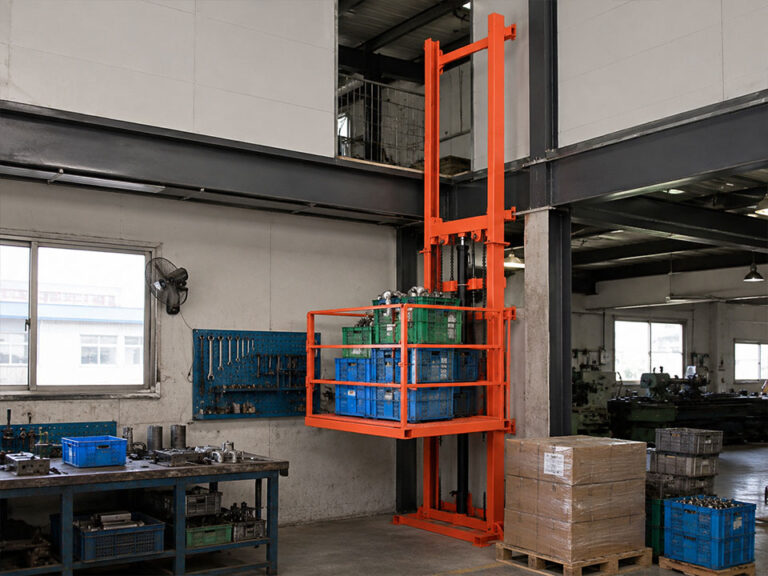
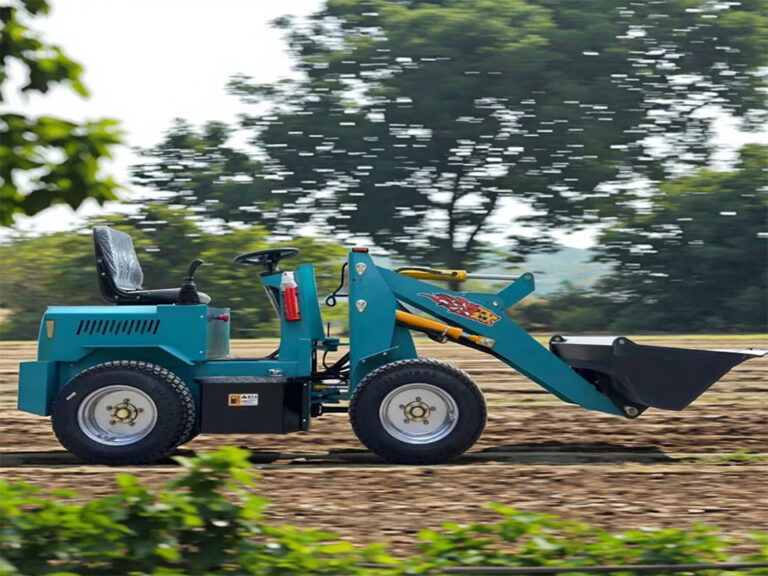
A trusted industrial equipment manufacturer helps B2B buyers source reliable machinery for construction, material handling, agriculture, landscaping, mining, and environmental applications. Since 2019, we have manufactured mini loaders, freight elevators, lift platforms, and lawn mowers for customers across Western countries, Japan, South Korea, Central Asia, Russia, and other markets.
Longyao County Yuhong Machinery Manufacturing Co., Ltd.
Since 2019
North of Xiaozhuangdong Village, Weijiazhuang Town, Longyao County, Xingtai City, Hebei Province, China
Warehouse Freight Elevator Daily Checks for Facility Managers in 2026
Facility managers don’t need another pretty checklist; they need a daily check system that catches freight elevator trouble before a pallet, forklift, or tired operator turns it into downtime. This guide explains what to inspect, what to record, and where warehouse freight elevator maintenance usually fails in real sites.
A warehouse freight elevator does not usually fail in one dramatic Hollywood-style moment; it gives small warnings first—door chatter, leveling drift, oil seepage, strange pump noise, scraped sill tracks, one lazy limit switch—and then, because everyone is rushing the 8:30 loading window, those warnings get buried under pallets, forklifts, and “we’ll check it tomorrow.”
Tomorrow is expensive.
I’ll say the ugly part first: most facility managers don’t have a freight elevator problem. They have a discipline problem. The lift is blamed because it is visible, steel, loud, and easy to point at. But the real weak link is often the daily routine: nobody owns it, nobody signs it, nobody compares today’s behavior against yesterday’s, and nobody wants to stop a shipment over a “small noise.”
But what happens when that small noise becomes a stuck cage during peak outbound loading?
OSHA’s warehouse safety guidance warns operators to watch platform, ramp, and dock edges, maintain clearance when raising loads, and slow down in congested or slippery areas—exactly the same risk zone where freight elevators, pallet trucks, and dock traffic collide in real warehouse life.And OSHA’s elevator rule for marine terminals gives a useful benchmark: elevators and escalators should receive thorough inspection at intervals not exceeding one year, with additional monthly inspections for satisfactory operation by designated persons.
So daily checks are not “paperwork.” They are the cheap insurance between planned warehouse freight elevator maintenance and a nasty emergency call.
Table of Contents
Why 2026 Facility Managers Need a Daily Check System, Not a Casual Walkaround
In 2026, warehouse managers are dealing with thinner labor buffers, tighter delivery promises, more mixed equipment traffic, and less tolerance from buyers when orders miss shipment windows. A freight elevator that stops for 4 hours can block staging, freeze mezzanine picking, delay forklift flow, and turn a normal shift into a blame meeting.
Here’s the hard truth: if the daily check takes 3 minutes, people skip it. If it takes 18 minutes, people fake it.
The sweet spot is a structured 7–10 minute check done before the first heavy load. Not after lunch. Not when the lift already sounds sick. Before the warehouse starts pushing mass through the shaft.
The U.S. Bureau of Labor Statistics reported 5,283 fatal occupational injuries in 2023, with transportation incidents, falls, exposure, and contact incidents all showing up as major event categories; facility managers should read those numbers as a reminder that warehouse equipment failures sit inside a wider material-handling risk chain.
Does one freight elevator checklist prevent every incident? No.
But a consistent daily inspection catches the boring failures first. And boring failures are the ones that usually give you a chance.
The Real Daily Check: What I Would Inspect Before Letting Pallets Move
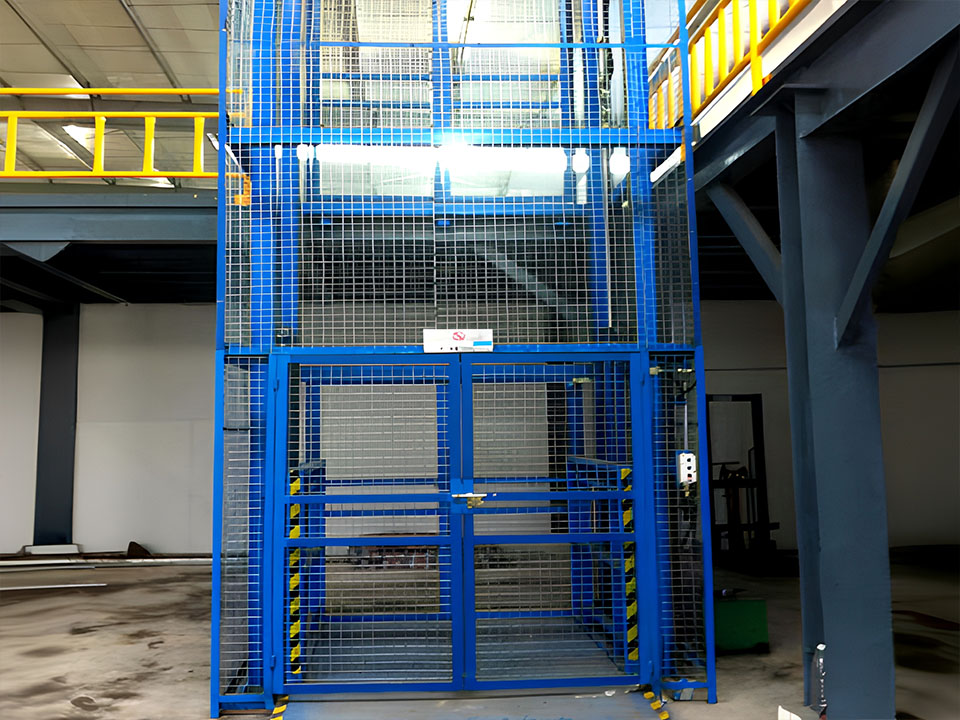
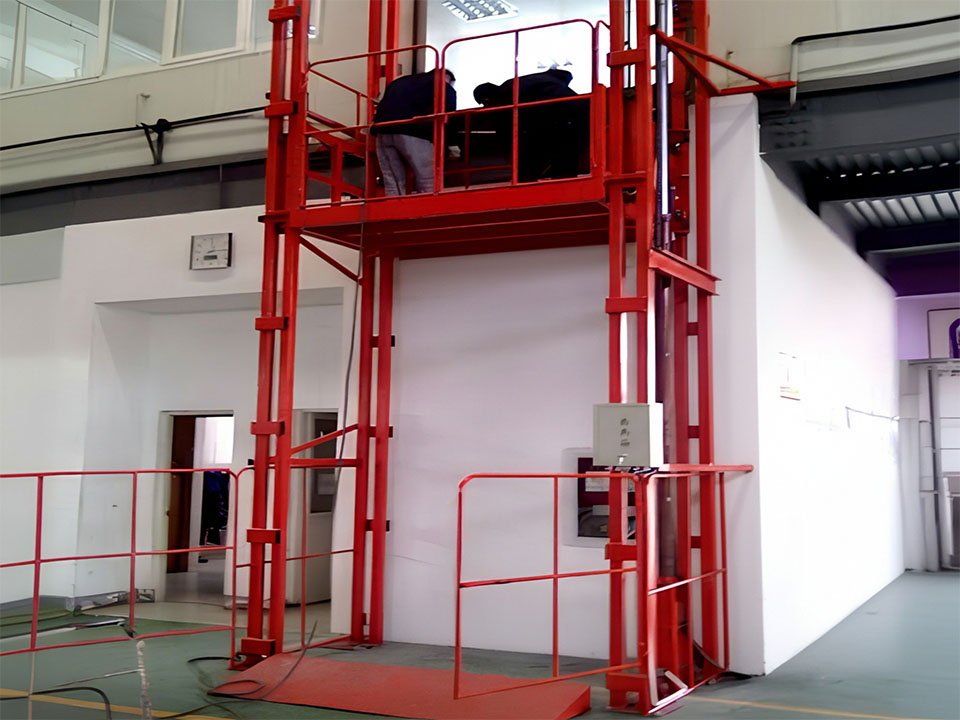
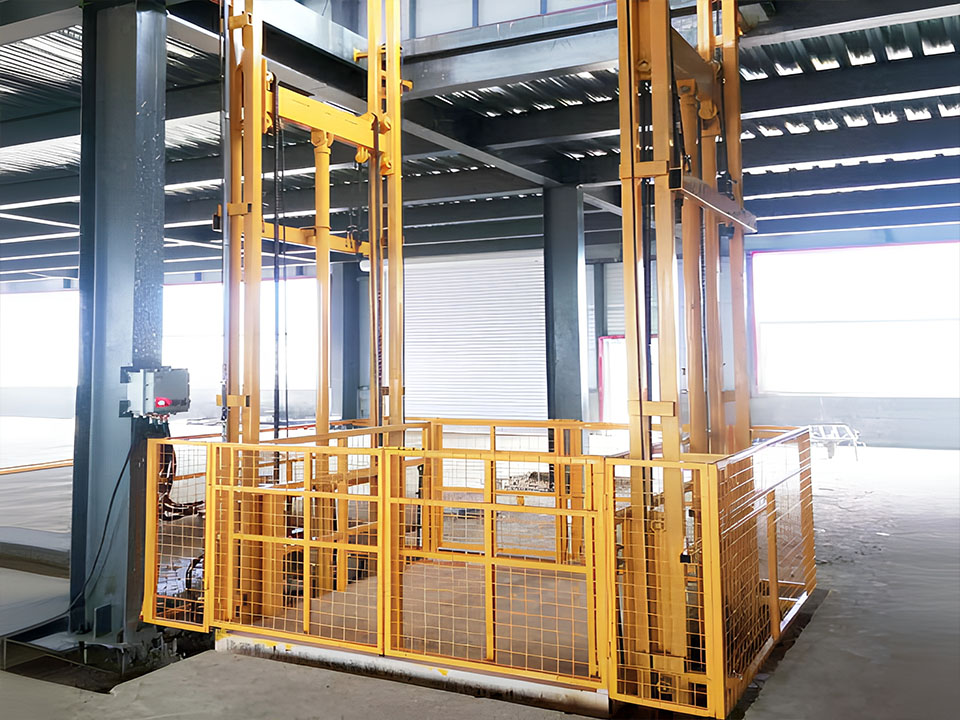
A warehouse freight elevator daily checklist should begin outside the lift, not inside it. Look at the surrounding floor. Look at the traffic pattern. Look at the operator behavior. If the lift entrance is blocked with loose wrap, broken pallet boards, water, oil, or forklift tire dust, the cage is already starting the day in a bad mood.
Then move inward.
Check the landing doors. Do they close cleanly? Do they drag? Is the interlock responding normally? A door that needs a shoulder bump is not “fine.” It is a maintenance ticket wearing work boots.
Check leveling. If the elevator platform stops 15–25 mm above or below the floor, pallet jacks start slamming the lip, operators start forcing entry angles, and the floor edge takes abuse it was never meant to absorb.
Check the control panel. Buttons should respond once, not after three jabs. Emergency stop should be visible, clean, and not buried under tape. Indicator lights should match actual movement. I frankly dislike control boxes that look “decorated” with old warning stickers, dust, and handwritten notes. That usually means nobody has owned the panel for years.
Check the load plate. If the rated capacity says 1000 kg, 2000 kg, or 3000 kg, that number is not a suggestion. It is the line between normal hydraulic pressure and abuse. Overloading is boring until it isn’t.
And yes, check the sound. Pump whine, chain slap, rail grinding, and relay chatter should be written down, not casually remembered.
The Warehouse Freight Elevator Daily Checklist Table
Check Area
What Facility Managers Should Inspect
Normal Condition
Red Flag
Action
Landing area
Floor, sill, entrance, nearby traffic zone
Clear, dry, no pallet debris
Oil, water, splinters, blocked access
Clean before operation; record repeated causes
Door system
Landing doors, cage gate, interlock response
Smooth close, no forced contact
Door drag, bypass behavior, loose latch
Stop use if interlock is unreliable
Platform leveling
Height match between cage and floor
Smooth pallet entry
Step-up/step-down gap, pallet jack impact
Record measurement; call service if repeated
Controls
Up/down buttons, emergency stop, indicators
One-touch response
Sticky button, flickering light, delayed response
Tag for electrical/control inspection
Hydraulic system
Cylinder, hose, pump unit, oil traces
Dry fittings, stable lift
Oil seepage, pump noise, slow raising
Inspect immediately; avoid heavy loads
Guide rails/chains
Rail cleanliness, chain tension, visible wear
Clean movement, no slap
Scraping, chain jump, loose fasteners
Stop and escalate if movement is abnormal
Load behavior
Rated capacity, pallet position, load balance
Centered load, no shock loading
Side-loaded pallets, overload attempts
Retrain operators; enforce load plate
Safety signs
Capacity label, warning signs, operating rules
Visible and readable
Missing, faded, covered signs
Replace signage before next audit
The Checks That Managers Skip First
They skip the sill.
That little strip at the doorway gets treated like decoration, but it collects everything: plastic wrap, grit, pallet chips, bolts, broken straps, packaging dust. When the sill gets dirty, doors misbehave. When doors misbehave, operators force them. When operators force them, interlocks suffer. Then someone says the freight elevator is unreliable.
No, the sill was dirty for three weeks.
They skip the oil smell too. Hydraulic freight elevators often warn through smell and sound before they warn through failure. A small hydraulic leak around a hose, fitting, or cylinder seal can turn into pressure loss, uneven lifting, or a messy floor hazard. Facility managers should not need a mechanic’s license to notice fresh oil.
They skip operator habits. This one irritates me the most.
If a forklift driver rams pallets into the cage, parks loads off-center, or uses the door frame as a steering reference, the warehouse elevator maintenance checklist won’t save the equipment. People destroy lifts faster than steel wears out by itself.
For sites managing both indoor lifting equipment and outdoor yard machines, the same discipline applies. A team that keeps a 4 wheel gasoline weeder machine for efficient farming clean, fueled, and checked before use should treat a freight elevator with the same daily logic: inspect before load, not after damage.
Daily Checks vs Monthly Checks vs Annual Inspection
Daily checks are for obvious operating condition. Monthly checks are for deeper function review. Annual inspection is for formal compliance and technical verification.
Mix those up and you get either fake safety or wasted labor.
Inspection Level
Who Usually Performs It
Frequency
Main Purpose
Typical Record
Daily check
Facility manager, shift lead, trained operator
Every operating day
Catch visible and operational faults before use
Daily checklist with signature
Weekly review
Maintenance supervisor
Weekly
Spot repeated issues and operator abuse
Weekly fault summary
Monthly inspection
Designated maintenance person or service team
Monthly
Confirm satisfactory operation and deeper function
Monthly service log
Annual inspection
Qualified inspector / authorized technician
Yearly or local code interval
Formal safety and compliance verification
Inspection certificate/report
Daily inspection is not a replacement for professional service. Don’t play that game.
But professional service is not a replacement for daily attention either. A technician cannot see the abuse that happens every morning between 7:40 and 9:15 unless the warehouse team records it.
What “Facility Manager Elevator Inspection” Should Mean in Practice
A facility manager elevator inspection should be a documented pre-use review of the freight elevator’s access area, doors, controls, leveling, hydraulic behavior, load condition, signs, and visible mechanical condition, completed before warehouse traffic begins so unsafe operation can be stopped before goods, people, or schedules are exposed to avoidable risk.
That’s the clean definition.
The dirty version? It means somebody with authority must be willing to say, “No, we are not using it today until this is checked.”
Most warehouses hate that sentence. Buyers are waiting. Trucks are waiting. Sales is calling. The warehouse supervisor wants flow, not friction.
But flow without control is just speed wearing a safety vest.
If your facility also runs slope maintenance machines or yard equipment, link the habits together. The same crew that checks a remote control tracked slope mower with dozer blade for tracks, blade condition, and control response can understand why freight elevator doors, guides, and controls need the same pre-use respect.
The 2026 Warehouse Freight Elevator Maintenance Log: What to Record
Write less, but write better.
A daily log should not become a novel. It should capture the few details that help managers see patterns. Date. Shift. Checker name. Lift ID. Rated load. Fault status. Notes. Action taken. Photo if needed.
Use clear fault codes:
OK = safe to operate M = monitor R = repair required STOP = do not use
That’s it.
I don’t like vague notes such as “seems weird” or “made sound.” Useless. Write “pump whine during upward travel with 1200 kg pallet” or “door dragged at Level 2 landing, left side sill.” Specific beats emotional.
A 2026-ready warehouse elevator maintenance checklist should also include QR-coded reporting. Not fancy software for the sake of software. Just a fast way to attach photos, time stamps, and repeat-fault history. If the same landing door is reported five times in 30 days, the system should scream before the lift does.
Freight Elevator Safety Checks That Actually Reduce Downtime
The best downtime reduction is not heroic repair. It is boring consistency.
Check load centering. A freight elevator cage is not a storage shelf. Heavy pallets should sit centered, not shoved against one wall because someone is saving 4 seconds.
Check travel smoothness. If the cage jumps, shudders, or drops slightly before stopping, don’t normalize it.
Check door timing. Doors should not need tricks.
Check signs. A missing capacity sign invites arguments.
Check traffic behavior. If forklifts crowd the entrance, paint a waiting box and enforce it. OSHA’s powered industrial truck loading dock guidance warns that loading docks can be dangerous places for forklifts and that falls from dock edges can be fatal; that dock-edge thinking applies closely to freight elevator entrances where wheels, edges, pallets, and rushed movement meet.
A warehouse freight elevator is not only a vertical machine. It is a traffic node.
That’s why maintenance must include the equipment around it. For example, a facility using outdoor robotic equipment such as a 4WD automatic remote control lawn mower robot already understands remote control response, terrain risk, and pre-use inspection. The principle is the same indoors: verify the machine before the work begins.
The Hard Numbers Managers Should Track
Track these monthly, even if your daily checklist is paper-based:
Metric
Good Target
Why It Matters
Daily checklist completion
95–100%
Shows whether the routine is real or decorative
Repeat faults in 30 days
0–2
Finds chronic problems before shutdown
Door-related complaints
Falling trend
Door faults are early downtime signals
Leveling complaints
0 tolerance for repeat issues
Protects pallet jack movement and floor edges
Emergency stops triggered
Investigate every event
Shows operator error or system fault
Overload attempts
0
Direct abuse indicator
Average repair response time
Same day for STOP faults
Prevents unsafe workarounds
Photo-backed reports
80%+ for defects
Reduces “he said, she said” maintenance disputes
The percentage I care about most? Repeat faults.
One fault can be random. Three similar faults are a pattern. Five is management negligence.
How to Perform Warehouse Freight Elevator Daily Checks
Start before the first load, stand outside the elevator, and inspect the entrance, sill, door movement, safety signs, platform leveling, controls, visible hydraulic condition, guide movement, and load plate before running one empty cycle and one light-load cycle if site rules allow it.
Then document the result.
This sounds simple because it is. The problem is not complexity. The problem is consistency under pressure.
A practical daily routine looks like this:
Clear the landing area and remove pallet debris.
Confirm warning labels and rated capacity are visible.
Open and close landing doors without forcing.
Test control buttons and emergency stop visibility.
Run the lift empty and listen.
Check leveling at each active floor.
Inspect visible hydraulic parts for fresh oil.
Confirm load is centered before first real shipment.
Record status and defects.
Stop use if doors, controls, or movement feel unsafe.
For warehouses with mixed indoor and outdoor maintenance responsibilities, I would connect this checklist culture across all equipment. The mindset that protects a remote control tracked lawn mower with snow blade from track damage in winter work is the same mindset that keeps a freight elevator from being abused by rushed operators.
The Biggest Mistake: Treating the Checklist Like a Document Instead of a Decision Tool
A checklist that never stops work is theater.
I’ve seen managers collect perfect sheets while the equipment gets worse. Every box is ticked. Every signature is neat. Every operator knows the “right answer.” And still, the lift groans, doors scrape, pallets slam the threshold, and everyone pretends the daily inspection is working.
It isn’t.
A serious warehouse freight elevator maintenance program gives the checker authority. If the checker writes STOP, the lift stops. If a supervisor overrides it, that override gets recorded with a name and time. Suddenly, behavior changes.
Funny how accountability works.
FAQ
What is warehouse freight elevator maintenance?
Warehouse freight elevator maintenance is the planned inspection, cleaning, adjustment, repair, and recordkeeping process used to keep cargo lifts safe, reliable, and ready for daily material movement in warehouses, factories, distribution centers, and mezzanine storage areas where pallets, carts, and heavy goods move between floors.
It includes daily checks by facility staff, scheduled service by qualified technicians, and formal inspection according to local rules. In 2026, the best programs combine visual checks, fault logs, photo records, and clear stop-use rules.
How often should facility managers perform freight elevator daily checks?
Facility managers should perform freight elevator daily checks before the first warehouse load moves, especially in facilities with heavy pallet traffic, multiple shifts, mezzanine storage, or frequent forklift-to-elevator transfer points where door damage, leveling drift, debris, and operator abuse can quickly turn into downtime.
For low-use lifts, the check should still happen on every operating day. If the elevator is idle for several days, inspect it before restarting regular use.
What should be included in a freight elevator daily inspection checklist?
A freight elevator daily inspection checklist should include landing area condition, door and interlock behavior, platform leveling, control response, emergency stop visibility, rated capacity signage, visible hydraulic leaks, abnormal noise, guide movement, load centering, and written defect reporting before the elevator handles normal warehouse cargo.
The checklist should be short enough to complete but strict enough to stop unsafe use. A beautiful checklist that nobody follows is just office decoration.
Who should sign the warehouse elevator maintenance checklist?
The warehouse elevator maintenance checklist should be signed by the trained person who physically performed the inspection, not by a supervisor who stayed in the office, because the signature must connect a real human observation to a specific lift, shift, date, and operating condition.
A second review by the facility manager or maintenance lead is useful for repeat faults. But the first signature should belong to the person who actually checked the equipment.
What are the most common freight elevator safety check failures?
The most common freight elevator safety check failures are dirty sill tracks, dragging landing doors, weak interlock behavior, uneven platform leveling, oil seepage, unclear capacity signs, off-center loading, impact damage from pallet trucks, and operators forcing equipment because shipment pressure feels more urgent than maintenance discipline.
Most of these failures are visible before they become expensive. That is why daily inspection matters.
How can facility managers reduce freight elevator downtime in 2026?
Facility managers can reduce freight elevator downtime in 2026 by using short daily checks, clear fault codes, photo-backed reports, monthly trend reviews, operator retraining, strict load control, and stop-use authority for door, control, leveling, hydraulic, or abnormal movement issues.
The goal is not to create more paperwork. The goal is to catch repeat problems early, schedule service windows, and stop emergency repair from becoming the normal maintenance strategy.
CTA
If your warehouse team depends on vertical cargo movement, don’t wait for a stuck cage to expose weak maintenance habits. Build a daily warehouse freight elevator maintenance checklist, train one accountable checker per shift, and connect every fault to a real service decision. For facilities that also manage rugged outdoor equipment, machines like a 4WD remote control lawn mower for rough terrain use prove the same rule again: equipment lasts longer when operators inspect before they push it hard.
Contact our equipment manufacturer to discuss mini loaders, freight elevators, lift platforms, and lawn mowers for construction, logistics, agriculture, landscaping, mining, and municipal projects. Founded in 2019, we support global B2B buyers with RFQ review, WhatsApp or email communication, sales team guidance, customization, and export-ready machinery solutions.
Company
About
Solutions
Applications
Electric Freight Elevator
Contact
Products
Mini Loader
Freight Elevator
Lift Platform
Lawn Mower
Electric Mini Loader
Contact
+86 151 0096 5355
North of Xiaozhuangdong Village, Weijiazhuang Town, Longyao County, Xingtai City, Hebei Province, China