Reliable Mini Loader Manufacturer for OEM & Wholesale Equipment Buyers
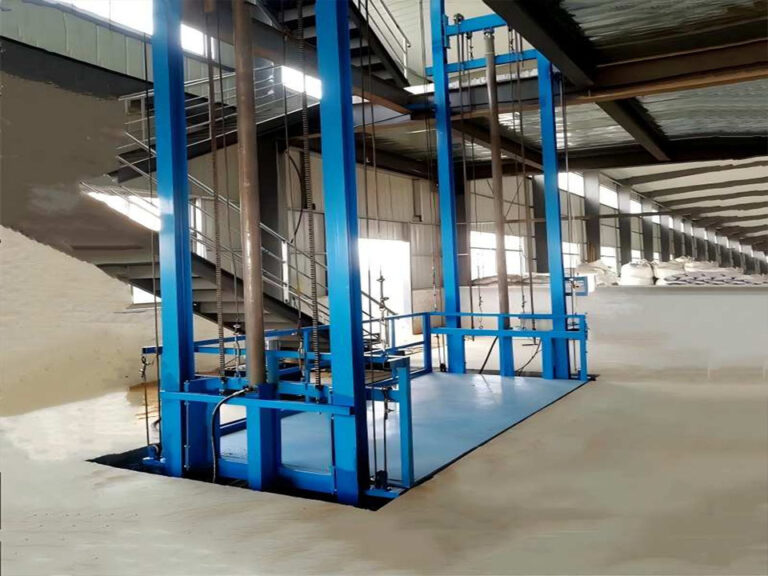
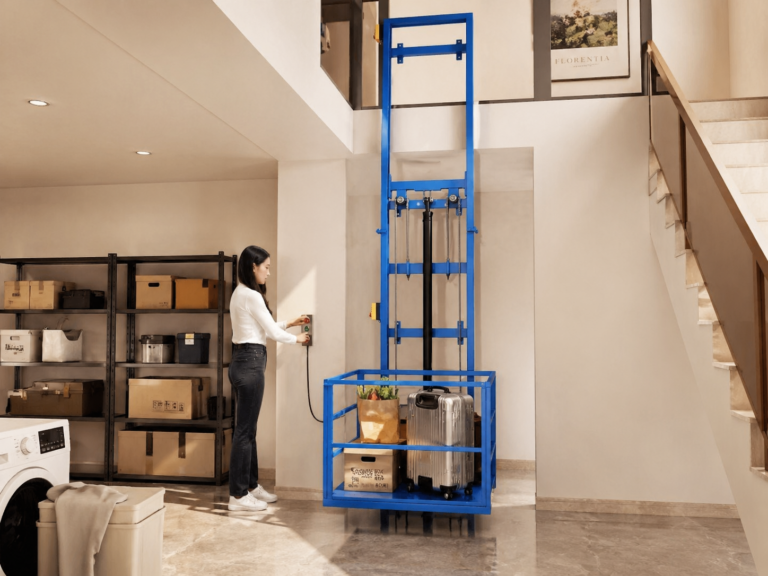
A trusted industrial equipment manufacturer helps B2B buyers source reliable machinery for construction, material handling, agriculture, landscaping, mining, and environmental applications. Since 2019, we have manufactured mini loaders, freight elevators, lift platforms, and lawn mowers for customers across Western countries, Japan, South Korea, Central Asia, Russia, and other markets.
Longyao County Yuhong Machinery Manufacturing Co., Ltd.
Since 2019
North of Xiaozhuangdong Village, Weijiazhuang Town, Longyao County, Xingtai City, Hebei Province, China
New Operator Safety Onboarding Guide for Safety Managers in 2026
New operators do not fail because they are new; they fail because managers rush them into machines without proving they understand risk. This guide connects daily wheel loader maintenance, operator safety onboarding, inspection habits, and supervisor accountability into one practical 2026 system.
A new operator walks around the loader, taps the tire with his boot—very scientific, apparently—glances under the chassis, sees a damp patch near the hydraulic line, and decides it’s probably old oil because nobody wants to be the new guy who delays the morning dispatch.
Bad call.
But here’s the ugly truth: that decision was probably trained into him before he ever touched the steering wheel. Not officially. Not in the safety binder. But in the yard, beside the machine, where the real company rules live.
New Employee Safety Orientation fails when it becomes a signature collection exercise. HR gets a form. Safety gets a folder. The supervisor gets another operator. The new hire gets told, “Check the machine before use,” without being taught what “check” actually means when there’s hydraulic mist near a fitting, a soft sidewall, or a coupler pin that doesn’t sit quite right.
I’ve seen this movie.
In 2024, OSHA’s maximum penalty reached $16,131 for serious and other-than-serious violations and $161,323 for willful or repeated violations, so weak training records and sloppy release habits are not just “management style”; they can become expensive evidence.BLS reported 2.6 million nonfatal private-industry workplace injuries and illnesses in 2023, including 946,500 cases involving days away from work.
So let’s stop pretending a daily wheel loader checklist is “maintenance only.” For a new operator, it’s the first real safety test.
Table of Contents
The Yard Teaches Faster Than the Classroom
Ever notice how a new worker copies the fastest person first?
Not the safest one. Not the best documented one. The fastest one.
That’s why a safety manager can spend an hour explaining PPE, site speed limits, blind spots, emergency stops, pedestrian zones, and incident reporting—and then lose the whole message in thirty seconds when a senior operator says, “Don’t worry about that leak, it’s always like that.”
There it is. Culture.
A proper safety onboarding checklist has to move out of the meeting room and into the machine walkaround. The new operator should touch the tire sidewall, find the hydraulic reservoir, check the engine oil, locate the grease points, test the horn, confirm the backup alarm, lock and unlock the coupler, and say what defect would stop the machine.
“OK” doesn’t tell me tire pressure. It doesn’t tell me hydraulic oil condition. It doesn’t tell me whether the backup alarm sounded, whether the coupler locked, whether the operator saw a fault code, or whether the wet spot under the machine was new.
Confirm pins, coupler lock, cutting edge, cracks, and wear.
Defect reporting
“Tell a supervisor.”
Grade the defect, photo it, record time, machine ID, and owner.
Final release
“If it runs, use it.”
Release only after inspection, function test, and supervisor rule.
A new hire who writes “tires OK” without measuring pressure has not inspected the tires. He has guessed. Maybe he guessed right. Maybe he just bought you a sidewall failure.
Teach Stop-Use Judgment Before Speed
Button training is easy.
Forward. Reverse. Lift. Tilt. Horn. Lights. Parking brake. Most operators can learn that fast enough.
The harder lesson is this: when do you refuse the machine?
That’s where real onboarding lives, especially for wheel loader work where visibility, weight, ground condition, hydraulic force, attachment load, and pedestrian movement all collide before lunch.
Grade B is where the trouble starts. Not D. Everyone notices D. The smart fleet manager watches B like a hawk because B is where tomorrow’s breakdown whispers.
The First 30 Days Need a Script
Day 1 is theater if nobody follows up.
A new operator can pass the safety quiz, sign the form, nod at the supervisor, and still develop bad habits by Thursday if the yard rewards speed more than reporting. That’s not a worker problem. That’s a system problem.
Timeframe
Training Focus
Proof to Keep
Day 1
Site rules, PPE, traffic zones, emergency reporting
Attendance, topic list, short quiz
Day 2–3
Wheel loader walkaround and defect recognition
Trainer-signed inspection form
Week 1
Supervised operation, parking, loading, reversing
Observation notes
Week 2
Independent daily inspection with review
Checklist audit
Day 30
Safety habit review and correction
Supervisor evaluation record
OSHA’s powered industrial truck standard requires refresher training in relevant topics when unsafe operation is observed, after an accident or near miss, after workplace condition changes, or when an evaluation shows the operator needs more training; wheel loader rules vary by site and equipment context, but the training logic is still worth stealing.
Train once? Fine. Verify later. That’s the grown-up version.
Real Defect Photos Beat Dead Safety Slides
Nobody remembers slide 47.
Show the new operator a sidewall bulge. Show milky hydraulic oil. Show rust streaks from a loose lug nut. Show a cracked hose at the bend radius. Show a coupler almost locked—but not locked. Show a blocked radiator screen. Show a missing backup alarm wire.
Then ask one thing: run, monitor, repair, or stop?
Defect Photo
Lesson for New Operator
Milky hydraulic oil
Possible water contamination; report before operation
Put the Daily Loader Checklist in the New Hire’s Hands
Not after two weeks.
Day one.
The new operator should complete the daily wheel loader checklist with a trainer watching. Then again with less help. Then again independently. Then the supervisor should audit the form—not just glance at it like it’s a lunch receipt.
Inspection Area
New Operator Checks
Trainer Question
Ground under loader
Oil, coolant, fuel, hydraulic leaks
“Fresh leak or old stain?”
Tires/wheels
Pressure, cuts, bulges, rim damage
“Would you run this loaded?”
Fluids
Engine oil, hydraulic oil, coolant
“Stable level or repeated loss?”
Hydraulic system
Hoses, cylinders, fittings
“Where is the rub point?”
Brakes/steering
Pedal feel, parking brake, steering response
“Would it stop on slope?”
Attachment
Bucket, pins, coupler, cutting edge
“Locked, or just close?”
Cab safety
Seat belt, horn, mirrors, lights, alarm
“Can others see and hear you?”
Warning system
Gauges, fault lights, alarms
“Report now or explain later?”
That last question sounds harsh. Good. Machines are harsh.
Supervisors Can Kill the Program in One Sentence
“Just run it today.”
That sentence destroys training.
The operator hears it. The crew hears it. The next new hire hears it secondhand. And suddenly your safety onboarding program is just a PDF with a logo.
Operator Report
Bad Supervisor Response
Better Supervisor Response
“This tire looks soft.”
“Just run it.”
“Measure it and record the number.”
“The hose is wet.”
“Wipe it off.”
“Photo, grade, mechanic review.”
“Backup alarm failed.”
“Be careful reversing.”
“Stop-use until repaired.”
“I’m not sure about this slope.”
“You’ll get used to it.”
“Supervised practice first.”
“Is this serious?”
“You should know.”
“Good catch. Let’s classify it.”
From my experience, the fifth response is the one that builds real operators. It tells the new worker that questions are not weakness. They are part of the job.
Records Should Prove Skill, Not Just Attendance
A signature sheet is thin.
It proves a person was present. Maybe awake. Maybe not. It does not prove the worker can inspect a wheel loader, identify a stop-use defect, or explain why an exposed tire cord is not a “monitor later” item.
A real workplace safety orientation guide should leave an evidence trail.
Record Type
Weak Version
Strong Version
Orientation sign-off
Name and date only
Topics, trainer, equipment, language, quiz
Practical inspection
“Walkaround completed”
Actual checklist with trainer initials
Operator evaluation
“Passed”
Observed tasks, mistakes, corrections
Refresher record
Not defined
Trigger, topic, evaluator, date
Defect report
Verbal note
Photo, grade, owner, closure
Training archive
Random PDF folder
Searchable by operator, date, machine
Here’s my bias: if the record cannot show competence, it is not a training record. It is a legal comfort blanket.
Don’t Treat Remote Machines Like Toys
Some managers take remote-control equipment less seriously because the operator isn’t sitting on the machine.
Bad assumption.
The XT-800CB remote control track lawn mower for rough terrain still needs onboarding discipline: emergency stop test, controller check, track condition, blade zone, slope route, bystander control, fuel leak inspection, debris cleanout, guarding, and cooling airflow.
Remote control does not remove risk. It changes where the risk sits.
And if operators learn shortcuts on one machine, they’ll bring those shortcuts to the loader. Habits travel.
FAQ
What is new employee safety orientation?
New employee safety orientation is the structured training process that introduces a new worker to jobsite hazards, equipment rules, emergency procedures, PPE requirements, reporting methods, supervisor expectations, and task-specific safe work practices before the worker performs duties independently or operates machinery in active production areas.
For equipment operators, the process has to include hands-on practice. A new wheel loader operator should inspect tires, fluids, brakes, attachments, warning systems, and traffic risks before being released without close supervision.
What should be included in new operator safety onboarding?
New operator safety onboarding should include site rules, machine hazards, daily inspection steps, traffic management, communication signals, PPE, blind spots, start-up and shutdown procedures, defect grading, emergency response, supervised practice, practical evaluation, refresher triggers, and documentation that proves the operator was trained and assessed.
The training should include real defect photos, supervised walkarounds, stop-use examples, operator questions, and a follow-up review after the worker has spent time around actual equipment. Otherwise it’s mostly paperwork.
How do safety managers create a safety onboarding checklist?
Safety managers create a safety onboarding checklist by listing required orientation topics, machine-specific hazards, inspection tasks, trainer responsibilities, evaluation steps, documentation fields, defect-reporting rules, refresher triggers, and follow-up reviews at 7, 14, or 30 days after the worker starts operating equipment.
A useful checklist is practical. It asks whether the operator can identify leaks, tire damage, brake problems, unsafe attachments, warning lights, traffic hazards, and stop-use conditions—not just whether the worker attended a meeting.
Why should daily equipment inspection be part of onboarding?
Daily equipment inspection should be part of onboarding because new operators form habits quickly, and early training on fluids, tires, brakes, steering, warning lights, attachments, and defect reporting helps prevent unsafe shortcuts before they become normal behavior in the fleet or production site.
If the first week teaches inspection as real work, the operator treats it seriously. If the first week teaches inspection as paperwork, the operator learns to tick boxes and move on.
When should new operators receive refresher training?
New operators should receive refresher training after unsafe behavior, near misses, accidents, equipment changes, site condition changes, repeated checklist errors, supervisor concern, or scheduled follow-up reviews such as 30-day, annual, or role-change evaluations depending on the company’s safety program and regulatory duties.
Refresher training should be targeted. If the operator misses tire defects, retrain on tires. If they mishandle slope routes, retrain on route control. Broad lectures rarely fix narrow problems.
What records should safety managers keep for operator onboarding?
Safety managers should keep orientation sign-in sheets, training topic lists, trainer names, equipment types covered, practical inspection checklists, operator evaluation forms, defect-reporting exercises, refresher records, supervisor observation notes, language accommodations, and follow-up reviews that show the worker was trained, observed, corrected, and cleared for work.
The record should prove competence, not just attendance. If something goes wrong later, the file should show what the operator was taught, who evaluated them, what mistakes were corrected, and when follow-up happened.
CTA
If your new operator program is still a short lecture, a signature sheet, and a “go watch the senior guy” routine, rebuild it before the machine teaches the lesson for you. Tie New Employee Safety Orientation to daily wheel loader inspection, real defect photos, supervisor follow-up, stop-use authority, and equipment-specific routines—because safe operators aren’t found ready-made. You build them.
Contact our equipment manufacturer to discuss mini loaders, freight elevators, lift platforms, and lawn mowers for construction, logistics, agriculture, landscaping, mining, and municipal projects. Founded in 2019, we support global B2B buyers with RFQ review, WhatsApp or email communication, sales team guidance, customization, and export-ready machinery solutions.
Company
About
Solutions
Applications
Electric Freight Elevator
Contact
Products
Mini Loader
Freight Elevator
Lift Platform
Lawn Mower
Electric Mini Loader
Contact
+86 151 0096 5355
North of Xiaozhuangdong Village, Weijiazhuang Town, Longyao County, Xingtai City, Hebei Province, China