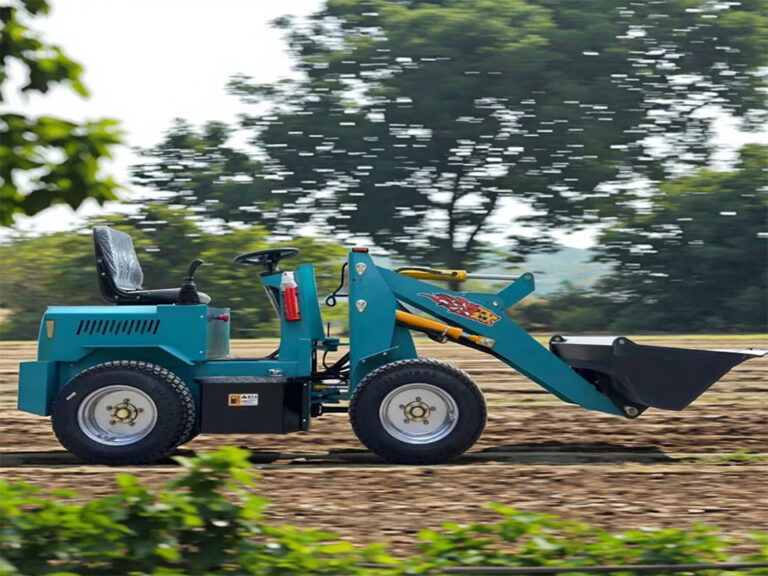
Reliable Mini Loader Manufacturer for OEM & Wholesale Equipment Buyers
A trusted industrial equipment manufacturer helps B2B buyers source reliable machinery for construction, material handling, agriculture, landscaping, mining, and environmental applications. Since 2019, we have manufactured mini loaders, freight elevators, lift platforms, and lawn mowers for customers across Western countries, Japan, South Korea, Central Asia, Russia, and other markets.
Longyao County Yuhong Machinery Manufacturing Co., Ltd.
Since 2019
North of Xiaozhuangdong Village, Weijiazhuang Town, Longyao County, Xingtai City, Hebei Province, China
Used Scissor Lift Service Record Review for Equipment Brokers
Brokers don’t lose money on used scissor lifts because they missed the paint scratches. They lose money because the service file looked “complete” while hiding battery abuse, hydraulic leaks, undocumented repairs, and inspection gaps.
I’ve watched brokers get excited over a clean-looking Used Scissor Lift with fresh decals, decent tires, and a seller who says, “It was serviced regularly,” only to find, two weeks later, that the battery pack was half-dead, the pothole protection system had been bypassed, and the annual inspection sticker meant almost nothing because nobody could produce the actual inspection sheet.
So what is the machine really worth?
That question is not answered by paint. Not hours alone. Not even brand name. For equipment brokers, the real answer sits inside the scissor lift service records, and frankly, most brokers read those records too casually.
Table of Contents
Why Service Records Matter More Than Paint, Hours, or Seller Talk
A used scissor lift is not just a resale item. It is a liability file on wheels.
When I review a lift for resale, I don’t start with the platform height. I start with the paper trail: daily checks, battery logs, hydraulic leak history, tire replacement, controller faults, charger records, annual inspections, and any repeated comments about steering, brakes, pothole guards, emergency lowering, or platform drift.
Here’s the hard truth: a low-hour scissor lift with missing maintenance history can be riskier than a higher-hour unit with boring, consistent documentation.
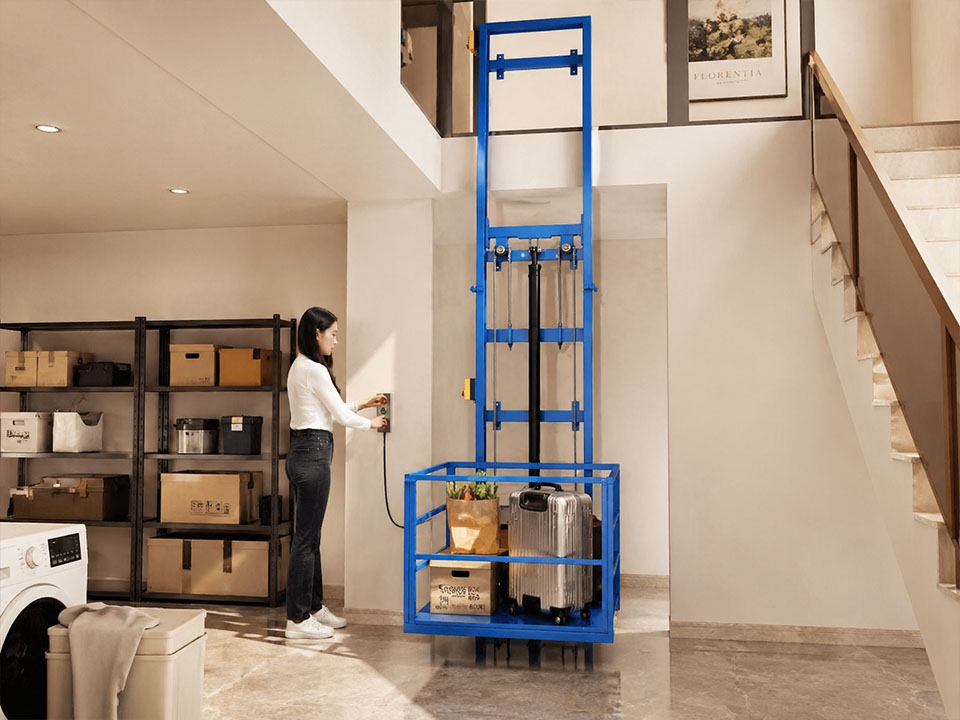
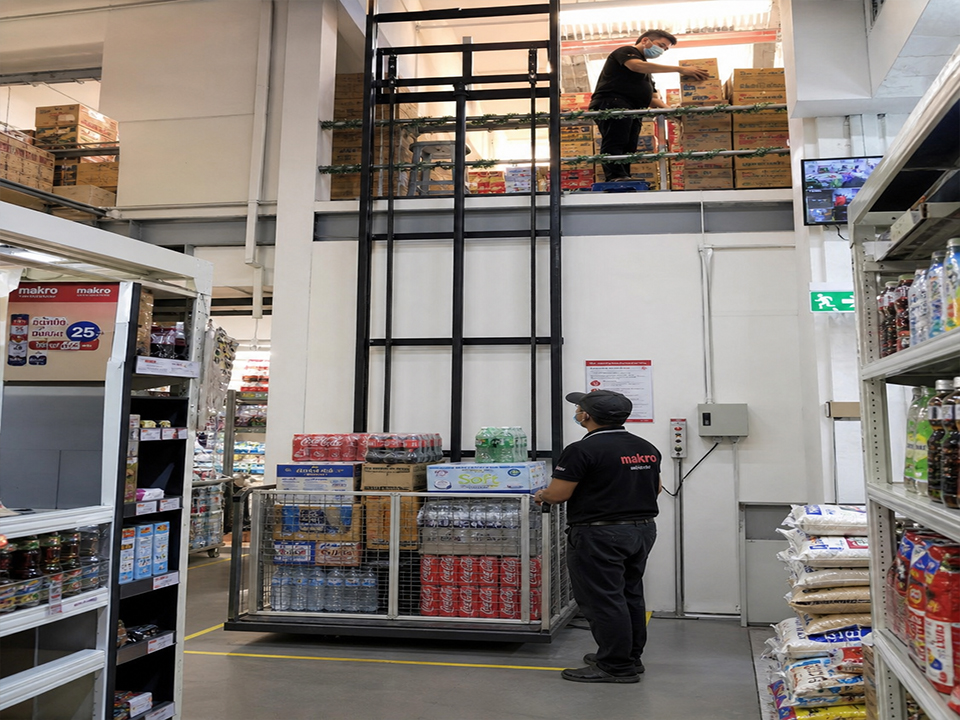
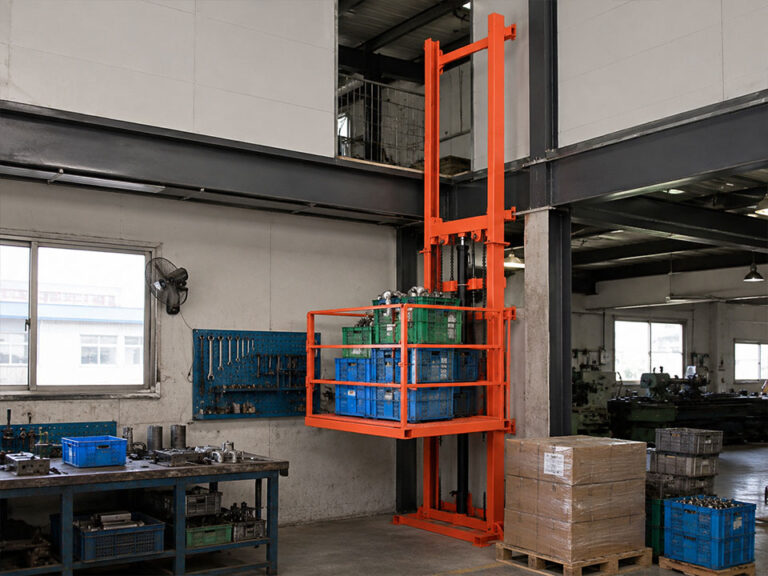
For brokers handling mixed equipment, this same logic applies across material handling assets. A buyer who asks for a used aerial lift inspection file today may ask tomorrow for proof of load testing on a customizable hydraulic freight elevator for warehouse cargo. Paper discipline travels across product categories.
The Broker’s First Filter: Is the Record Real or Just Pretty?
Some records are built to inform. Others are built to impress.
I don’t trust a service record just because it has dates and signatures. Anyone can make a neat PDF. What I want to see is pattern consistency: inspection intervals, parts replaced, technician comments, serial numbers, hour-meter readings, and whether the same defect appears more than once.
A real maintenance file usually has ugly details. “Battery water low.” “Lift creeps down under load.” “Platform gate latch sticking.” “Hydraulic hose sweating.” That kind of language tells me a technician actually touched the machine.
A fake-clean file? It says “checked OK” every month.
That scares me.
Used Scissor Lift Inspection Checklist for Brokers
A proper used scissor lift inspection checklist should not be a decorative form. It should help the broker decide whether to buy, renegotiate, repair, or walk away.
The Battery File Is Where Brokers Usually Get Hurt
Electric slab scissor lifts often look profitable until the battery pack enters the room.
A broker sees a 19-foot or 26-foot unit, clean tires, decent platform, and thinks the resale margin is safe. But the battery pack may quietly erase $800, $1,500, or more from the deal, depending on voltage, brand, age, charger condition, and local replacement cost.
And no, “it charges overnight” is not a battery test.
I want battery manufacture dates. I want watering history for flooded lead-acid batteries. I want charger fault notes. I want runtime under load. If the record shows repeated low-water events, sulfation symptoms, charger replacement, or complaints like “dies fast,” the machine is not just used. It is financially booby-trapped.
Hydraulic Leaks: The “Small Problem” That Becomes a Big Discount
But here’s where sellers get slippery.
They call it “normal sweating.” They say, “All old lifts leak a little.” Sometimes that is true. Often it is not.
For a used scissor lift, hydraulic notes deserve serious attention because platform drift, hose aging, cylinder seal wear, pump weakness, and contaminated oil can all hide behind casual phrases. If the service record says “cleaned oil residue” three times in six months, I treat that as a leak until proven otherwise.
A broker should ask:
Was the cylinder rebuilt?
Were hoses replaced or only wiped clean?
Was the unit tested at rated load?
Was hydraulic oil changed, topped off, or contaminated?
Was the emergency lowering valve tested?
If those answers are missing, the maintenance history is not complete. It is only partial theater.
Service Record Review Is Also a Resale Trust Tool
Equipment brokers don’t just sell machines. They sell confidence.
A serious buyer may not understand every technical detail, but they understand organized proof. When you can show clean scissor lift service records, annual inspection sheets, repair invoices, battery history, and a clear defect-resolution log, you are no longer just offering a used lift. You are offering controlled risk.
That changes price conversations.
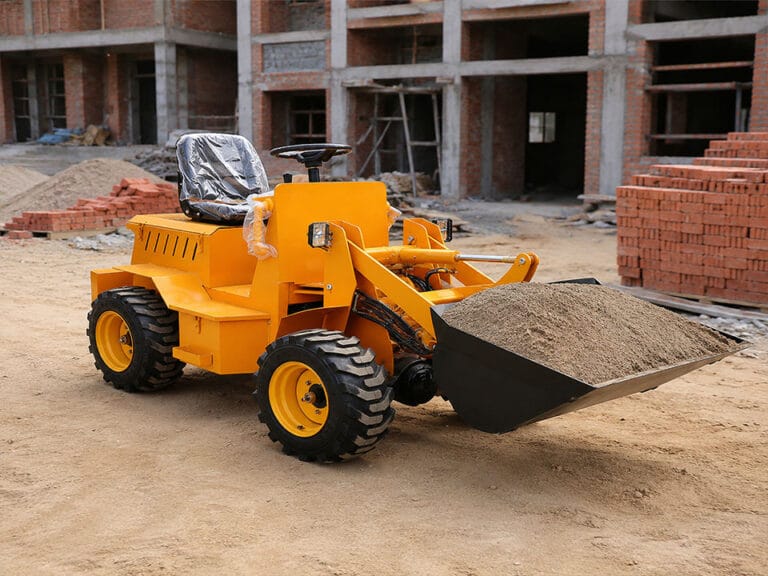
It also protects your reputation. Brokers who handle heavier job-site machines, such as a compact 4×4 all-wheel drive diesel loader for job sites, already know this: the buyer who trusts your documentation today is more likely to buy again tomorrow.
My 5-Level Broker Grading Method
I use a simple grading system before pricing any used aerial lift.
Grade
Record Quality
Machine Risk
Resale Position
A
Full service history, annual inspection sheets, repair invoices, battery/hydraulic notes
Low
Premium resale candidate
B
Mostly complete records, minor gaps, no repeated defects
Moderate-low
Good broker inventory
C
Some service notes, unclear inspection history, limited battery data
No credible service records, safety systems unverified
Very high
Walk away or sell as project unit
This is not academic. This is margin protection.
A Grade A used scissor lift can justify stronger pricing because the buyer sees fewer unknowns. A Grade D lift might still sell, but only if the broker is honest about condition, documents the inspection, and prices the risk correctly.
Watch for Repeated Faults, Not Just Big Repairs
A single major repair does not always scare me.
Repeated small faults do.
Three steering complaints. Two controller resets. Multiple charger faults. Recurring hydraulic seepage. Platform gate problems that keep coming back. These patterns tell you the machine may have an unresolved root issue, not random wear.
This is where newer brokers make a costly mistake. They look for dramatic repairs—new pump, new cylinder, new controller—but they ignore repeated “minor” notes. In used equipment, repeated minor notes are often the smoke before the fire.
What a Broker Should Ask the Seller Before Making an Offer
Do not ask, “Has it been maintained?”
That question invites a lazy answer.
Ask for the exact documents:
Annual inspection report, not just sticker photo
Last 12 months of service records
Battery replacement date and charger condition
Parts invoices for major repairs
Hour-meter reading at each service point
Operator complaint log if it came from a rental fleet
Accident, tip-over, overload, or structural repair disclosure
Current fault codes or controller diagnostic report
Load test or functional test notes where available
If the seller cannot provide these, you have two choices: discount the machine hard or walk away. I prefer walking away more often than most brokers do. Bad inventory eats time.
How to Review Used Scissor Lift Service Records Step by Step
Start with identity. Confirm model, serial number, year, platform height, rated capacity, power type, and hour-meter reading. If the serial number on the file does not match the machine plate, stop.
Then check service intervals. A real file should show time movement: monthly inspections, annual checks, battery maintenance, and repair dates. Gaps are not always fatal, but unexplained gaps deserve pricing penalties.
Then look for repeated language. “Adjusted,” “monitored,” “cleaned,” “operator advised,” and “recheck next service” can mean the problem was not actually fixed.
Finally, decide whether the lift is resale-ready, repair-before-sale, or too risky for your buyer base.
Pricing Impact: Records Should Change the Offer
A used scissor lift with strong records should command more money.
A machine with weak records should not.
I know that sounds obvious, yet brokers still price machines mainly by year, hours, brand, and cosmetic condition. That is lazy pricing. Service record quality should directly affect your offer because missing information becomes your future repair bill, your buyer complaint, or your reputation damage.
Documentation Condition
Suggested Broker Pricing Response
Complete inspection and service file
Pay closer to market value
Minor gaps but no repeated defects
Moderate discount
No battery history
Deduct estimated battery risk
Repeated hydraulic or electrical notes
Require repair quote before offer
Missing annual inspection proof
Treat as inspection-fail risk
Structural repair or accident history
Buy only with full disclosure strategy
No credible records
Avoid unless deeply discounted
FAQs
What is a Used Scissor Lift service record review?
A Used Scissor Lift service record review is the process of checking maintenance logs, inspection reports, battery history, hydraulic repairs, safety-device tests, and ownership notes to judge the machine’s real condition, resale risk, and buyer confidence before a broker purchases or lists it.
For brokers, this review is not paperwork for paperwork’s sake. It is a profit filter. The file tells you whether the lift was maintained, abused, patched, ignored, or prepared honestly for resale.
How do equipment brokers review used scissor lift service records?
Equipment brokers review used scissor lift service records by matching the serial number, checking inspection intervals, reading repair notes, identifying repeated faults, verifying battery and hydraulic history, and comparing documented condition against the physical machine during functional testing.
The trick is to distrust perfect-looking records. Real machines have wear notes. If every line says “OK,” I want to know who inspected it, what checklist they used, and whether they actually tested the lift under load.
What should be included in a used scissor lift inspection checklist?
A used scissor lift inspection checklist should include identity verification, hour-meter reading, battery condition, charger function, hydraulic leaks, steering, brakes, tires, pothole protection, guardrails, platform controls, emergency lowering, tilt alarm, structural damage, and annual inspection documentation.
For broker use, I also add resale notes: repair cost estimate, missing documents, buyer disclosure items, and whether the machine should be sold as ready-to-work or repair-required.
Why is battery history important when buying a used electric scissor lift?
Battery history is important because weak, neglected, or aging batteries can turn a profitable used electric scissor lift into a low-margin deal through poor runtime, charger faults, replacement cost, customer complaints, and reduced resale confidence after delivery.
I don’t care how clean the lift looks if the battery file is blank. No date, no watering record, no charger notes, no runtime test—that is not “unknown.” That is a discount.
Are missing scissor lift maintenance records a deal breaker?
Missing scissor lift maintenance records are not always a deal breaker, but they increase risk because the broker cannot verify inspection history, battery care, hydraulic repairs, safety-device testing, previous damage, or whether repeated defects were properly corrected before resale.
My opinion is stricter: if the missing record involves annual inspection, structural repair, safety controls, or accident history, I would either walk away or price the machine as a repair-risk unit.
How can brokers use service records to sell used scissor lifts faster?
Brokers can use service records to sell used scissor lifts faster by presenting organized maintenance history, inspection sheets, repair invoices, battery data, defect-resolution notes, and clear condition disclosures that reduce buyer uncertainty and support stronger pricing conversations.
Good documentation makes the buyer feel like they are purchasing a controlled asset, not a gamble. That trust often matters more than shaving another small percentage off the asking price.
CTA
Before you buy the next used scissor lift, don’t start with the paint, the decals, or the seller’s confidence. Start with the service record. If the file proves battery care, hydraulic reliability, safety inspection, and honest repair history, you have a broker-grade asset. If it doesn’t, price the risk—or leave it behind.
Contact our equipment manufacturer to discuss mini loaders, freight elevators, lift platforms, and lawn mowers for construction, logistics, agriculture, landscaping, mining, and municipal projects. Founded in 2019, we support global B2B buyers with RFQ review, WhatsApp or email communication, sales team guidance, customization, and export-ready machinery solutions.
Company
About
Solutions
Applications
Electric Freight Elevator
Contact
Products
Mini Loader
Freight Elevator
Lift Platform
Lawn Mower
Electric Mini Loader
Contact
+86 151 0096 5355
North of Xiaozhuangdong Village, Weijiazhuang Town, Longyao County, Xingtai City, Hebei Province, China