Reliable Mini Loader Manufacturer for OEM & Wholesale Equipment Buyers
A trusted industrial equipment manufacturer helps B2B buyers source reliable machinery for construction, material handling, agriculture, landscaping, mining, and environmental applications. Since 2019, we have manufactured mini loaders, freight elevators, lift platforms, and lawn mowers for customers across Western countries, Japan, South Korea, Central Asia, Russia, and other markets.
Longyao County Yuhong Machinery Manufacturing Co., Ltd.
Since 2019
North of Xiaozhuangdong Village, Weijiazhuang Town, Longyao County, Xingtai City, Hebei Province, China
Hydraulic System PM for Wheel Loaders for Rental Fleets in 2026
Rental fleets lose money when hydraulic PM becomes a paperwork exercise instead of a machine-life system. This guide gives fleet owners, dealers, and B2B buyers a practical 2026 hydraulic maintenance plan for wheel loaders.
I’ve seen rental machines come back with washed tires, no broken lights, no bent bucket edge, and a customer saying “good machine,” but when the mechanic checks the hydraulic side, the oil smells hot, the pump has a thin whine, and the boom feels half a second lazy. What does that tell you?
It tells you the paint lied.
For rental fleets, wheel loader preventive maintenance is not a nice worksheet for the service office. It’s the line between steady profit and stupid repair bills. The hydraulic system is where the truth comes out: pumps, hoses, cylinders, filters, fittings, oil, valves, breathers, couplers. One weak link, and the whole machine starts behaving like a tired donkey.
Here’s the ugly truth: rental customers don’t always report early hydraulic symptoms. Some don’t notice. Some don’t care. Some just want to finish the job and send the loader back before the problem becomes their problem.
So yes, I’m biased. I’d rather stop a loader for inspection than send out a machine that “probably still works.”
Table of Contents
What Hydraulic System PM Really Means
Hydraulic system PM means planned checks and service actions that keep a wheel loader’s oil, pumps, valves, cylinders, hoses, filters, seals, couplers, and pressure circuits working before failure shows up on the job site.
Sounds simple. It isn’t.
A loader hydraulic system works under heat, pressure, dirt, vibration, bad operators, rushed servicing, and weird job-site conditions. In a private fleet, one operator may understand the machine. In a rental fleet, ten different people can abuse the same loader in one month. One uses it indoors. One runs it in mud. One overloads the bucket. One connects a dirty attachment with uncapped couplers. Then the workshop gets a vague note: “Hydraulics feel weak.”
Great. Very helpful.
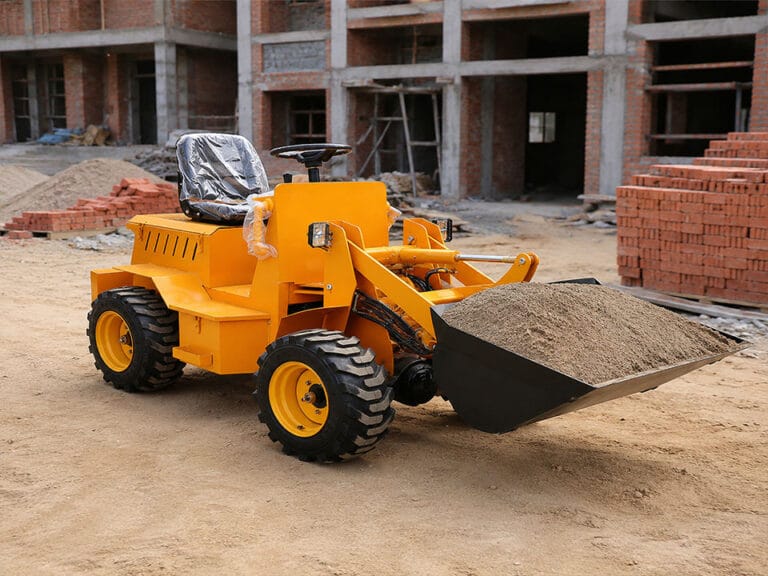
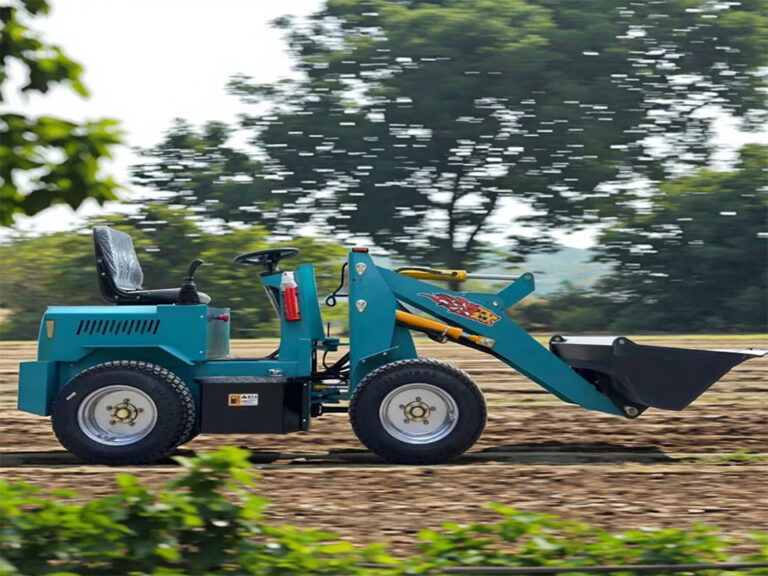
If your fleet includes compact equipment like a small diesel hydraulic loader for farms and construction work, don’t assume smaller means easier. Small loaders often work in tighter, dirtier, less controlled places—farm lanes, construction corners, feed yards, warehouse edges. That’s exactly where hydraulic shortcuts happen.
Rental Fleets Need a Harsher PM Rulebook
But rental machines live rougher lives.
A private owner might stop when a hose starts sweating oil. A rental customer may keep working because the job isn’t finished. A private owner may notice a change in lift speed. A rental customer may think it’s normal. A private owner may clean quick couplers. A rental customer may leave them in the dust.
That’s why rental fleet wheel loader maintenance should not copy a normal owner’s schedule. It needs more return checks, more symptom tracking, and more attention to job type.
Same hours do not mean same wear.
A loader that spent 40 hours in a clean factory is not the same as a loader that spent 40 hours in wet soil, cement dust, fertilizer residue, or demolition trash. The hour meter says they are equal. The hydraulic system disagrees.
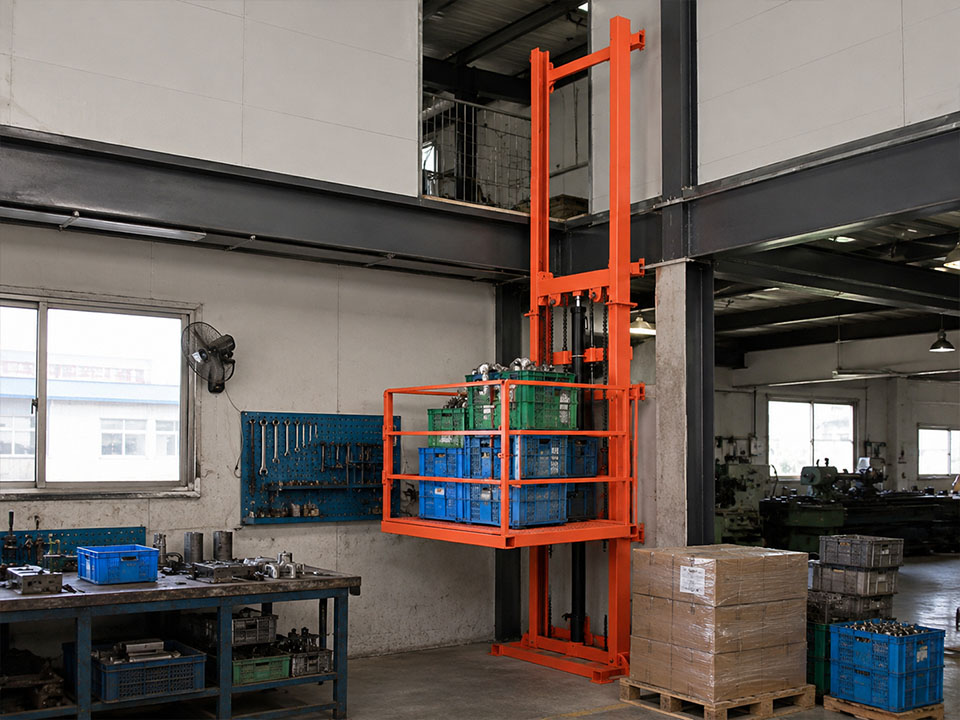
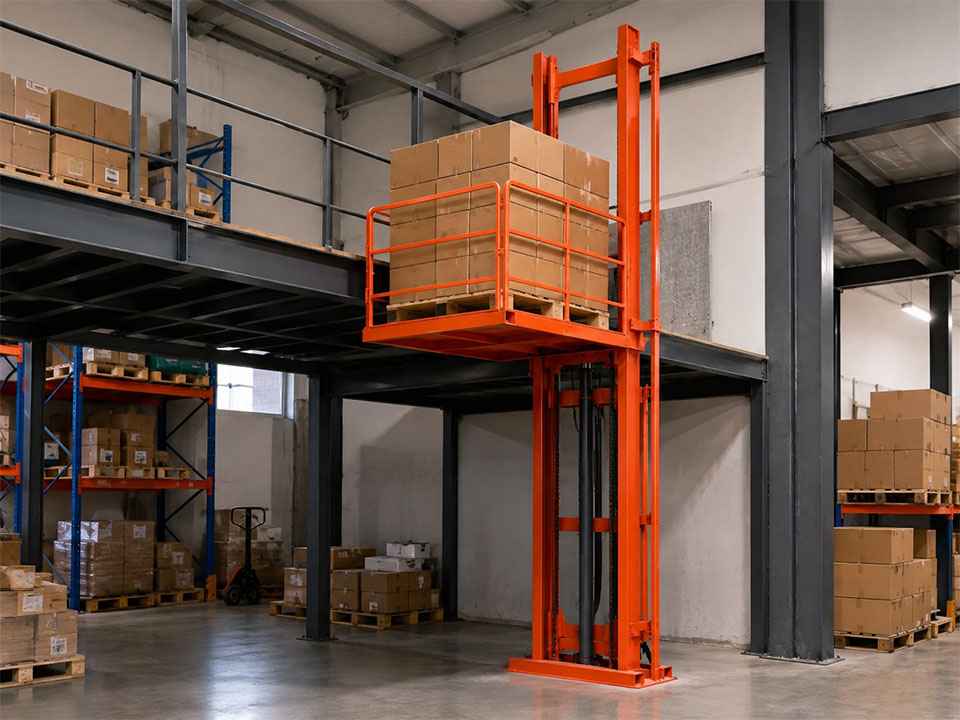
This is the same logic used for warehouse hydraulic machines, including a warehouse hydraulic freight elevator cargo lift platform. Load cycle, environment, oil temperature, and maintenance behavior change the real wear pattern. The calendar alone doesn’t know enough.
The 2026 PM Shift: Stop Worshipping the Hour Meter
The hour meter matters. It just doesn’t know everything.
I’ve seen fleets treat 250 hours like a magic number. Filters at 250. Inspection at 250. Oil review later. Fine—until one loader works in clean indoor handling and another spends two weeks in wet clay with dust blowing into every open cap.
Same schedule. Different damage.
In 2026, a serious hydraulic system PM plan should use both hours and risk. That means every wheel loader gets a basic schedule, but dirty-site machines, high-hour machines, complaint machines, and attachment-heavy machines get extra inspection.
Not fancy. Practical.
If a loader returns from mud, check for water contamination. If it returns from dust, check breathers, filters, rods, and couplers. If it returns with weak lift complaints, don’t just top off oil and hope. Check pressure. Check filters. Check pump noise. Check cylinder drift.
Hope is not maintenance.
Hydraulic Preventive Maintenance Checklist for Wheel Loaders
PM Area
What to Inspect
Suggested 2026 Fleet Rule
Failure It Helps Prevent
Hydraulic oil level
Reservoir level, oil smell, oil color, foam
Check before rental and after return
Pump starvation, overheating, cavitation
Oil contamination
Water, dust, metal particles, milky oil
Sample high-use or dirty-site machines
Pump wear, valve sticking, cylinder damage
Filters
Return filter, suction screen, pressure filter if fitted
Replace by hours, warning indicator, and contamination risk
Hydraulic oil is often treated like cheap fluid. Pour it in, close the cap, move on. That thinking ruins pumps.
Oil carries force. Oil lubricates. Oil cools. Oil protects internal metal surfaces. Oil also carries dirt, water, rubber particles, metal fines, and whatever else the workshop accidentally lets into the system.
So when someone stores oil in an open drum, uses a dirty funnel, shares one transfer pump between different fluids, or opens the reservoir in a dusty yard, they are not “servicing the machine.” They are feeding the failure.
Clean oil in a dirty container is dirty oil.
For wheel loader hydraulic maintenance, oil selection should follow the machine supplier’s guidance, working temperature, climate, and duty cycle. But correct oil can still become bad oil through poor handling. That’s the annoying part. You can buy the right oil and still destroy the system.
Filters Help. They Don’t Fix Stupid.
A filter is protection, not forgiveness.
If dirt keeps entering through bad breathers, dirty couplers, open oil drums, damaged seals, or lazy filling habits, the filter becomes a victim. It loads up. It restricts flow. It may hit bypass. Then dirty oil keeps circulating while everyone feels safe because “the filter was changed.”
No. That’s not safe.
A proper hydraulic preventive maintenance checklist should include filter indicators, filter replacement history, contamination symptoms, and repeat clogging patterns. If the same loader eats filters early, don’t just install another filter and call it done.
Ask the ugly questions.
Is the breather damaged? Is the pump shedding metal? Are attachment lines dirty? Was the wrong oil added? Is water getting in? Is the oil cooler blocked and cooking the system?
This same discipline applies to hydraulic lifting machines too, such as an anti-fall material handling freight elevator platform lift. Different equipment, same hydraulic reality: oil, filters, hoses, seals, pressure, and records decide reliability.
Hoses: The “Small” Part That Stops the Whole Rental
Hoses don’t look dramatic until they burst.
A little rubbing near a bracket. A damp fitting. A cracked bend. A slightly swollen section near heat. The kind of thing someone notices and says, “Next service.” Then the loader goes out, the hose fails under pressure, oil dumps on the customer’s site, and now the company pays for recovery, repair, cleanup, lost rental, and maybe an angry discount conversation.
That’s a bad afternoon.
Hose inspection should happen every return. I’ll say it again: every return. Not just every month.
Look for exposed braid, flat spots, cracking, rubbing, oil sweat, loose clamps, heat damage, crushed bends, and hoses routed too close to moving steel. Don’t wait until the hose looks like a dead snake. Replace it when the warning signs are clear.
For indoor fleets using equipment like an electric mini wheel loader for factory material handling, hose checks still matter. Indoor work may reduce mud and weather exposure, but turning, lifting, vibration, tight aisles, pallet impacts, and heat cycles still wear hydraulic lines.
Cylinders Speak. Most People Don’t Listen.
Cylinder rods tell you what the loader has been through.
A clean, polished rod is good. A scratched rod is a warning. A rusty rod is worse. Dirt packed around the rod end means the wiper seal is fighting a dirty battle. Once the wiper loses, contamination starts moving closer to the oil side, and then seal wear, leakage, and drift are not far behind.
Drift is not personality.
If the boom drops slowly when it shouldn’t, or the bucket curls down under load, don’t shrug and say “old machine.” That may be internal leakage, worn seals, valve wear, contaminated oil, or pressure loss. Rental customers notice this fast, especially when stacking, loading trucks, or working near people.
Test it. Record it. Compare it later.
A one-time drift note is useful. A drift trend is gold.
Pressure Testing Beats Guessing
“Feels weak” is not enough.
A wheel loader can feel weak because of low oil, pump wear, relief valve issues, internal leakage, clogged filters, air in the system, hot oil, worn seals, or even a customer expecting too much from a compact loader. Without pressure testing, everyone is guessing in work boots.
I don’t think every loader needs pressure testing every morning. That’s theater. But symptoms should trigger testing.
This is where many rental fleets lose money. They keep sending out a “slightly weak” loader until the pump finally gives up. Then suddenly the repair becomes expensive, urgent, and public.
A Practical 2026 PM Schedule for Rental Fleets
Do not copy this blindly. Adapt it to machine size, loader model, oil type, climate, hours, customer use, and supplier guidance.
The Return Sheet Should Be Short Enough to Survive
Long forms die in busy workshops.
Make the return inspection simple. Oil condition. Leaks. Hose damage. Cylinder rods. Pump noise. Couplers. Filter indicator. Heat complaints. Customer job type. Attachment use. That’s enough to catch many expensive problems early.
The sheet should ask plain questions:
Was the loader used in mud, cement dust, fertilizer, demolition, rain, or hot conditions? Did the operator report weak lift, slow boom, jerky steering, or noise? Are the couplers capped? Any hose rubbing? Any rod scoring? Any oil foam or burnt smell?
Not beautiful. Useful.
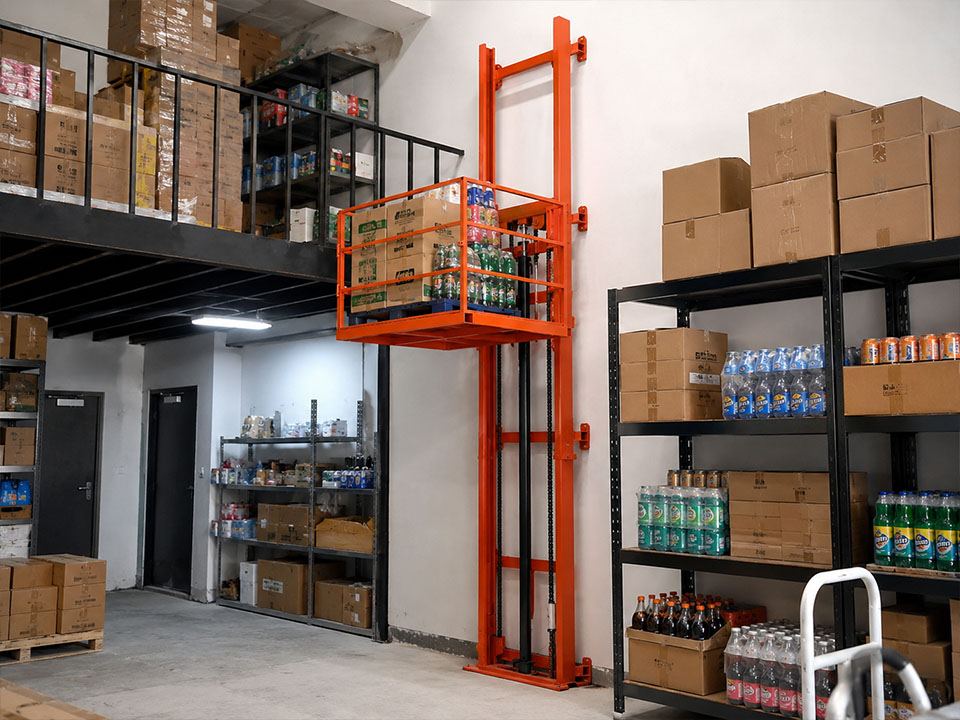
If your company also manages fixed hydraulic warehouse systems like an industrial hydraulic freight elevator for warehouse cargo, standardizing this inspection language across machines makes sense. Oil is oil. Leaks are leaks. Seals are seals. Dirty habits follow people from one machine type to another.
The Real PM Problem Is Usually People
But machines are not the hardest part.
People are.
Sales wants the loader shipped. The customer is waiting. The driver is outside. The mechanic is busy. Someone says, “It should be fine.” I hate that sentence. It has probably killed more hydraulic pumps than bad oil ever did by itself.
A rental fleet needs stop-use rules. If the loader has foamy oil, a whining pump, exposed hose braid, serious cylinder leak, repeated hydraulic complaints, or sudden weak lift, it should not go out.
Will this annoy someone? Of course.
But field failure annoys everyone more. The customer stops working. Your driver returns. Your mechanic leaves the shop. Your parts cost goes up. Your sales team apologizes. Your machine reputation drops. And the repair that could have been planned becomes a messy emergency.
That’s rental math. Ugly but real.
FAQ
What is wheel loader preventive maintenance for hydraulic systems?
Wheel loader preventive maintenance for hydraulic systems is a planned service process that checks oil condition, filters, hoses, cylinders, pumps, valves, fittings, pressure behavior, temperature, contamination risk, and machine records before hydraulic failure occurs, especially in rental fleets exposed to many operators and job-site conditions.
For rental fleets in 2026, hydraulic PM should combine hour-based intervals with risk-based checks. A loader returning from clean indoor work is not the same as a loader returning from mud, dust, heat, or heavy attachment use.
How often should rental fleets inspect wheel loader hydraulics?
Rental fleets should inspect wheel loader hydraulics before every rental, after every return, during hour-based service, and immediately after symptoms such as pump noise, slow lift speed, foamy oil, overheating, cylinder drift, hose leakage, weak steering, or repeated customer complaints appear.
A fixed schedule is useful, but it is not enough. Dirty jobs, wet jobs, high-load work, and careless attachment use should push the loader into a deeper inspection category.
What should be included in a hydraulic preventive maintenance checklist?
A hydraulic preventive maintenance checklist should include oil level, oil condition, filter indicators, hose wear, fitting leaks, cylinder rod damage, seal leakage, pump noise, hydraulic temperature, breather condition, quick coupler cleanliness, attachment contamination risk, pressure symptoms, and written service records by machine number.
Keep the form short enough for real use. A rough checklist that gets completed every time beats a perfect one that sits in a folder while the loader goes back out dirty.
How do you maintain hydraulic systems in rental wheel loaders?
To maintain hydraulic systems in rental wheel loaders, keep oil clean, replace filters correctly, inspect hoses and cylinders at every return, clean couplers, monitor breathers, test pressure when symptoms appear, sample high-risk machines, and stop releasing loaders with abnormal hydraulic behavior.
The main goal is early control, not heroic repair. Rental fleets make money from uptime. Emergency pump replacement is not a business strategy.
What are the warning signs of hydraulic system failure in a wheel loader?
Warning signs of hydraulic system failure in a wheel loader include slow boom movement, weak bucket force, noisy pump operation, foamy or milky oil, overheating, repeated filter warnings, cylinder drift, leaking hoses, wet fittings, jerky steering, burnt oil smell, and metal particles in oil or filters.
Small symptoms should not be ignored. A loader that feels slightly weak today may become a field breakdown tomorrow if the pump, oil, filter, or cylinder problem keeps getting pushed forward.
Is hydraulic oil sampling necessary for rental fleets?
Hydraulic oil sampling is necessary for high-use, high-risk, or repeatedly problematic rental loaders because it can reveal contamination, water, viscosity change, oxidation, and wear metals before the hydraulic system shows obvious failure symptoms during normal operation.
Not every machine needs constant lab testing. But if a loader works in dirty sites, overheats often, clogs filters early, or keeps getting hydraulic complaints, oil sampling is cheaper than guessing.
Final Word for Rental Fleet Buyers
Wheel loader preventive maintenance is not glamorous. Good.
The profitable stuff rarely is.
Clean oil, capped couplers, good filters, protected hoses, honest return checks, pressure testing, and machine-specific service records will beat pretty paint and vague promises every time. In 2026, rental fleets that treat hydraulic system PM as a profit system will outperform fleets that treat it as paperwork.
So before buying more loaders, ask the practical questions.
Can your team inspect the hydraulic system quickly? Are filters easy to reach? Are hoses protected? Are cylinder rods visible? Can couplers be kept clean? Can the machine survive real rental customers, not perfect brochure operators?
Contact our equipment manufacturer to discuss mini loaders, freight elevators, lift platforms, and lawn mowers for construction, logistics, agriculture, landscaping, mining, and municipal projects. Founded in 2019, we support global B2B buyers with RFQ review, WhatsApp or email communication, sales team guidance, customization, and export-ready machinery solutions.
Company
About
Solutions
Applications
Electric Freight Elevator
Contact
Products
Mini Loader
Freight Elevator
Lift Platform
Lawn Mower
Electric Mini Loader
Contact
+86 151 0096 5355
North of Xiaozhuangdong Village, Weijiazhuang Town, Longyao County, Xingtai City, Hebei Province, China